
Desserts
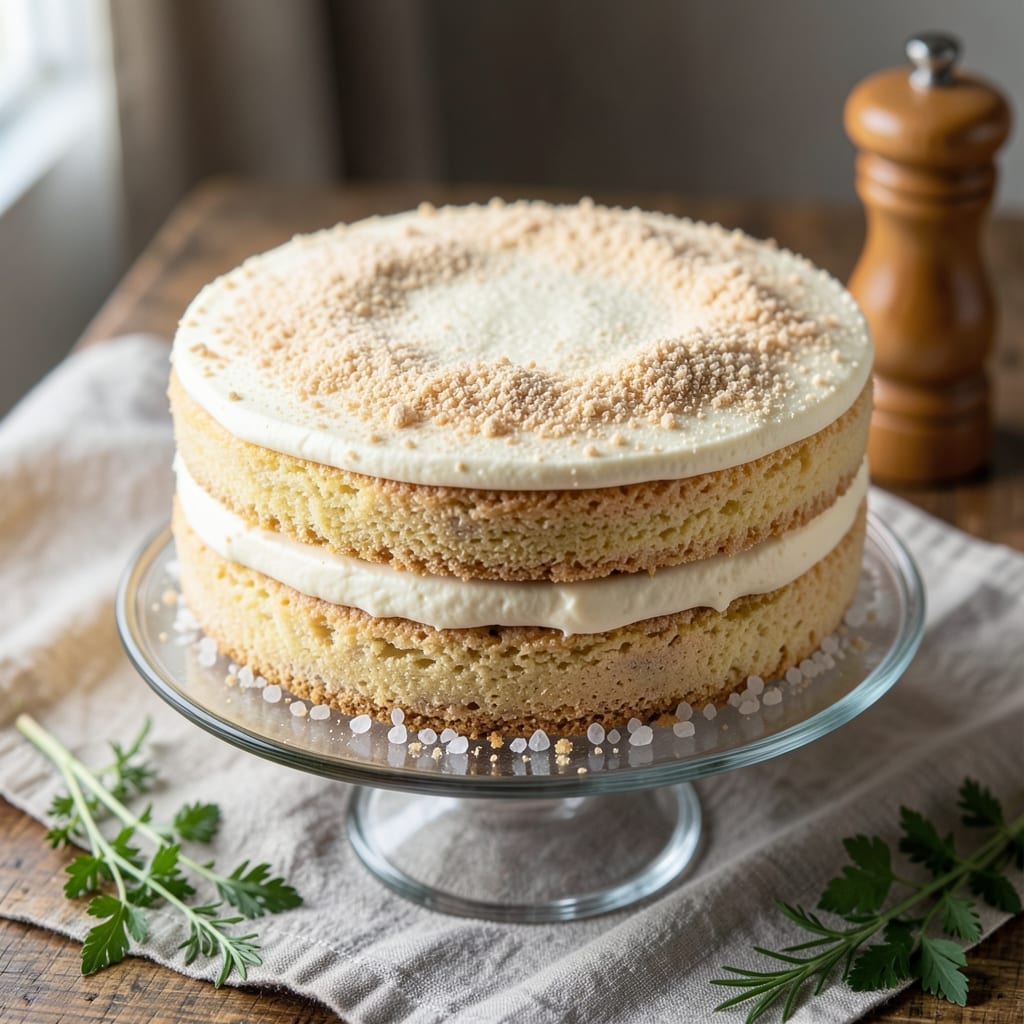
This almond macaroon cake delivers the perfect balance of crispy top layers and chewy centers, all while showcasing the nutty richness of almonds. 🌟 What sets it apart is the dual-texture technique—each macaroon layer is baked just until golden, then stacked with a velvety buttercream filling that binds them into a cohesive, restaurant-worthy dessert.
The secret lies in properly toasted almonds and precise macaroon consistency, ensuring neither layer is too dry nor too sticky. I’ve perfected this recipe over years of baking, testing everything from almond flour ratios to baking times to guarantee that signature contrast between the crunchy exterior and tender core. No specialized equipment is needed—just patience and attention to detail.
By the time you slice into this cake, you’ll uncover layers of toasted almond flavor, a buttery filling that melts into every bite, and a finish that’s both elegant and satisfying. It’s the kind of dessert that feels indulgent yet balanced, perfect for celebrations or a special treat without the fuss of elaborate decorating.
Whether you’re baking for a crowd or simply craving something luxurious, this recipe delivers foolproof results every time. The beauty of macaroon cakes is their versatility—adapt it with jam fillings, chocolate ganache, or even a vegan coconut oil base for dietary flexibility. Let’s get baking!
Ingredients for almond macaroon cake
Toasted almond flour, velvety buttercream, and precise technique create this luxurious almond macaroon cake.
| Ingredient | Amount | Notes |
|---|---|---|
| Almond Flour 🌰 | 3 cups | Superfine, toasted for enhanced flavor |
| Granulated Sugar 🍚 | 1 ½ cups | Fine grain for smooth texture |
| Unsalted Butter 🧈 | 1 cup | Cold, cubed for buttercream |
| Large Egg Whites 🥚 | 4 whole | Room temperature, pasteurized |
| Vanilla Extract 🌿 | 1 tbsp | Pure, high-quality vanilla |
| Diamond Crystal Kosher Salt 🧂 | ½ tsp | Fine grain for delicate seasoning |
| Powdered Sugar 🍚 | 3 cups | For buttercream filling |
| Heavy Whipping Cream 🥛 | 1 cup | Cold for stable buttercream |
| Almond Extract 🌰 | ½ tsp | For intensified almond flavor |
| Unsweetened Shredded Coconut 🥥 | 1 cup | Toasted for added texture |
| Parchment Paper 📄 | 1 sheet | For baking and layer separation |
| Almond Slices 🌰 | ½ cup | For decorative garnish |
The almond flour is the foundation—Bob's Red Mill superfine is ideal, but any quality brand works. Toasting it in a dry pan for 5-7 minutes enhances the nutty flavor without burning. The difference between toasted and untoasted flour is noticeable, especially in the final texture. For the buttercream, European-style butter like Plugrá yields a richer, more stable filling. Keep all ingredients at room temperature to ensure proper emulsification of the macaroon layers.
No almond flour? Blend raw almonds into a fine powder—it’ll lack the same texture but works in a pinch. Substituting powdered sugar for granulated in the macaroons requires adjusting liquid ratios, but the 3:1 ratio of powdered to granulated maintains structure. For a vegan option, replace butter with coconut oil and use aquafaba instead of egg whites. The shredded coconut adds moisture and texture—unsweetened is key to avoid competing with the almond flavor. Toast it lightly to prevent bitterness in the final cake.
Store the assembled cake in an airtight container at room temperature for 3-4 days, or refrigerate for up to 1 week. The buttercream layer may soften in warm conditions—simply chill for 30 minutes before serving. For longer storage, freeze the fully assembled cake (without decorating) for up to 3 months. Thaw at room temperature, then re-whip the buttercream if needed. The macaroon layers firm up beautifully after chilling, making this cake perfect for make-ahead celebrations.
Why You'll Love This Recipe
- No Mixing Madness: I swear by this recipe because it’s literally just folding egg whites into sugar—no stand mixer, no overmixing, no stress. The butter and almond flour come together like a dream, and the meringue folds in with barely any effort.
- Buttery Nutty Magic: That first bite? The sugar crust gives way to a tender, almond-butter-rich crumb with a whisper of vanilla—like a macaroon and cake had a baby. Honestly, the butter makes it rich without being heavy, and the egg whites keep it light.
- Weekend or Weeknight: I’ve made this for brunch with coffee, as a dessert after dinner, and even packed slices for my kid’s school lunch. It holds up beautifully, and the flavor doesn’t get old—no sad, dry cake here.
- Leftovers? More Like Leftovers: Between us, this cake lasts forever in the fridge, and it reheats in seconds. I’ll be real: I’ve eaten cold slices straight from the container, and they’re still just as good. Plus, the ingredients are simple—no specialty items to break the bank.
Step-by-step instructions for almond macaroon cake
Perfectly balanced texture requires precision—here's how to achieve that signature crunchy top and chewy core.
👨🍳 Step 1: Prepare the Macaroon Base
Preheat your oven to 350°F and line a 9-inch round cake pan with the parchment paper, leaving an overhang for easy removal. In a large mixing bowl, combine the 3 cups almond flour, 1.5 cups granulated sugar, 0.5 tsp kosher salt, and 1 tbsp vanilla extract. Whisk vigorously until fully incorporated—this ensures even distribution of flavor and texture.
In a separate bowl, whip the 4 whole large egg whites on medium speed until soft peaks form. Gently fold the egg whites into the dry mixture using a spatula, being careful not to deflate them. This step creates the signature macaroon texture—don't overmix or you'll get a dense cake instead of that light, chewy interior.
Fold in the 1 cup unsweetened shredded coconut and 0.5 tsp almond extract until evenly distributed. The coconut adds subtle texture contrast while the almond extract intensifies the natural almond flavor. Transfer the batter to the prepared pan, spreading it evenly with a spatula—press down gently to compact the mixture slightly.
🔥 Step 2: Bake the Crunchy Top Layer
Bake for 20-22 minutes until the edges are golden brown and the top is firm to the touch. The center should still feel slightly soft—this ensures the characteristic chewy texture. Rotate the pan halfway through baking for even heat distribution.
Here's the critical part: as soon as it comes out of the oven, invert the cake onto a wire rack and peel off the parchment paper. Let it cool completely for 30 minutes before proceeding. This cooling step is essential—it allows the cake to set properly for clean slicing and prevents it from falling apart when you add the filling.
🍳 Step 3: Make the Buttercream Filling
While the cake cools, prepare the buttercream by beating the 1 cup cold unsalted butter in a stand mixer until creamy. Gradually add the 3 cups powdered sugar, mixing on low speed until combined. Increase to medium speed and whip for 3-4 minutes until light and fluffy.
Add the 1 cup cold heavy whipping cream and 1 tbsp vanilla extract, continuing to whip until the mixture reaches a smooth, pipeable consistency. For extra flavor, add the 0.5 tsp almond extract and mix for another 30 seconds. The buttercream should be thick enough to hold its shape but still spreadable—this creates that perfect balance between stability and creaminess.
🥘 Step 4: Assemble the Cake Layers
Once the cake is completely cool, use a serrated knife to level the top if needed. Place the cake on a cake stand or plate and spread an even layer of buttercream over the top surface. This creates a moisture barrier that prevents the cake from becoming soggy.
Cut the cake horizontally into two equal layers. Spread buttercream between the layers, then pipe additional buttercream around the edges to create a clean border. The key here is to work quickly—cold buttercream firms up faster, making it easier to create sharp edges. Press the top layer gently into place and smooth any uneven areas with a spatula.
⏰ Step 5: Decorate and Chill
Pipe decorative swirls of buttercream around the top edge of the cake using a star tip. Arrange the 0.5 cup almond slices in a circular pattern on top for an elegant finish. Chill the cake in the refrigerator for at least 2 hours before serving—this allows the flavors to meld and the textures to set perfectly.
Slice with a warm knife for clean cuts and serve at room temperature. The contrast between the crunchy top layer and the chewy interior is what makes this cake truly special—each bite delivers that perfect balance of textures and flavors. The almond extract enhances the natural sweetness while the toasted almond flour adds depth.
Pro Tips For Making Almond Macaroon Cake
- Sift the Almond Flour: I learned this the hard way—skipping this step means dense, uneven cake. Pulse your almond flour in a food processor for 10-15 seconds to break up clumps, then sift it with the sugar. This guarantees a light, airy texture instead of a brick. ---
- Whip Egg Whites Cold: Your egg whites need to be ice-cold when you start whipping—yes, even in summer. Pop them in the fridge for 15 minutes first, then whip to stiff peaks. Warm whites? You’ll end up with flat, sad cake. (Trust me, I’ve made that mistake.) ---
- Cream Butter and Sugar Slow: Don’t rush the butter-sugar mix—beat it on medium speed for 3-4 minutes until it’s pale and fluffy. High speed just traps air unevenly, leading to a cake that collapses in the middle. Patience here pays off. ---
- Fold in Stages: Add the dry mix to the egg whites in three parts, folding gently with a spatula. Then, fold in the butter mixture in two parts. Rushing this step means deflating the air you just whipped into those whites—and that’s a one-way ticket to dense cake.
Troubleshooting this dish
Dry Macaroon Layers
If your macaroon layers turn out dry or crumbly, it’s likely from overbaking or insufficient egg whites. Check your oven temperature with an oven thermometer—many home ovens run hotter than set. Bake for 1-2 minutes less than directed and test with a toothpick. If the center feels slightly moist, it’s perfect. For extra moisture, brush the cooled layers with a light simple syrup (equal parts sugar and water, heated until dissolved) before assembling. 💧
Soggy Buttercream
Buttercream that turns soggy is usually due to warm temperatures or too much liquid. Always use cold butter and heavy cream straight from the fridge, and whip just until smooth—overmixing incorporates air, which can make it unstable. Store the cake in a cool, dry place (not the fridge) for up to 3 days. If you must refrigerate, bring it to room temperature before serving to restore texture. A quick fix? Pipe a fresh buttercream border on top before serving. 🧊
Cracked or Uneven Layers
Cracks or uneven layers often happen when the cake cools too quickly or isn’t fully set before assembly. Let the macaroon layers cool completely (at least 30 minutes) before cutting. Use a serrated knife dipped in hot water for clean slices. If cracks appear during assembly, gently press the layers together with a light layer of buttercream as glue. For extra stability, chill the cake for 1 hour before decorating. ✨
Macaroons Stick to Pan
Sticking occurs when the batter isn’t fully set or the pan isn’t properly prepared. Always line your pan with parchment paper and ensure it’s lightly greased if needed. Press the batter gently but firmly into the pan—this helps it set evenly. If it still sticks, invert the cake onto a wire rack immediately after baking and let it cool upside down. For stubborn cases, run a thin offset spatula around the edges before inverting. 🧹
Weak Almond Flavor
If your cake lacks almond flavor, it’s likely due to insufficient extract or low-quality almond flour. Use high-quality almond extract (like Goya) and toast your almond flour in a dry pan for 5-7 minutes to intensify the flavor. For extra depth, add 1 tsp almond butter to the batter. Avoid pre-toasted almond flour from packages—it’s often over-processed and lacks freshness. 🌰
Buttercream Too Sweet
An overly sweet buttercream usually means too much powdered sugar. Start with 2.5 cups and adjust to taste—you can always add more. For a balanced flavor, incorporate 1 tbsp lemon juice or 1 tsp vanilla bean paste to cut the sweetness. If the buttercream is too stiff, soften it slightly with 1 tsp warm water or heavy cream**. A pinch of kosher salt also enhances flavor without adding sweetness. 🍋
Nutrition facts
Frequently asked questions
Can I make this almond cake without almond flour?
You can substitute with 2.5 cups finely ground raw almonds (blended in a food processor) or a mix of 1.5 cups almond flour + 1 cup all-purpose flour. However, the texture will differ—almond flour creates that signature chewy yet crispy contrast. For best results, toast the almonds first to enhance flavor.
How do I prevent the macaroon layers from cracking?
Cracks usually happen when layers cool too quickly or aren't fully set. Let the cake cool completely (at least 30 minutes) before cutting, and use a serrated knife dipped in hot water for clean slices. For extra stability, chill the assembled cake for 1 hour before decorating. A thin buttercream "glue" layer between cracks also helps.
What's the best way to store this cake?
Keep it in an airtight container at room temperature for 3-4 days. For longer storage, refrigerate for up to 1 week (bring to room temperature before serving). Freeze the fully assembled cake (without decorating) for up to 3 months. Thaw overnight in the fridge to preserve texture.
Can I make this cake vegan?
Yes! Replace the butter with 1 cup coconut oil, use aquafaba (3 tbsp) instead of egg whites, and swap powdered sugar for a vegan alternative. For binding, add 1 tbsp ground flaxseed mixed with 3 tbsp water to the batter. The texture will be slightly denser but still delicious.
Why did my buttercream turn grainy?
Grainy buttercream usually means the powdered sugar wasn't sifted or the butter wasn't cold enough. Always use powdered sugar sifted through a fine-mesh sieve and whip the buttercream on medium-high speed until completely smooth. If it happens, add 1 tsp lemon juice to help emulsify.