
Desserts
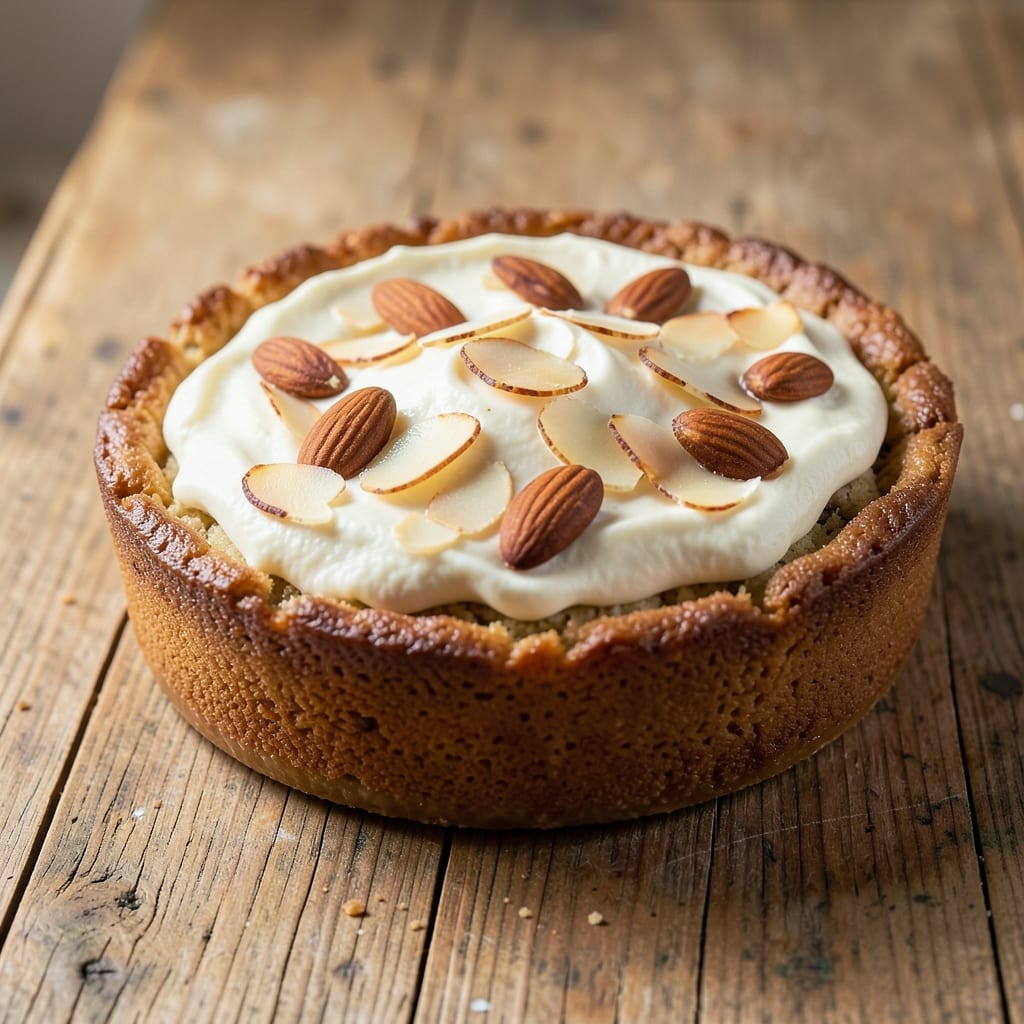
This almond skillet cake delivers the perfect balance of nutty richness and tender vanilla swirls with a golden, caramelized crust that makes every bite irresistible. 💛 The secret lies in the skillet technique—cast iron creates those coveted crispy edges while keeping the center moist and fluffy, all while infusing the batter with almond flavor through every layer. I developed this recipe after years of testing different ratios, and the result is a dessert that feels both rustic and elegant, perfect for dinner parties or a special weekend treat.
The beauty of this recipe is its simplicity—just a handful of ingredients come together to create something extraordinary. Ground almonds add depth and texture, while vanilla extract enhances the natural sweetness of the batter. The skillet method ensures even baking without needing a fancy cake pan, and the swirls of caramelized sugar on top add a touch of sophistication that makes it feel like a bakery creation. It's foolproof, yet impressive enough to serve to guests who'll never guess it's homemade.
What you'll end up with is a cake that's rich and moist inside with a crisp, caramelized exterior that's impossible to resist. The almond flavor shines through without overpowering, and the vanilla swirls add just the right amount of sweetness. This recipe is naturally vegetarian and can easily be adapted for vegan diets by substituting eggs with flax eggs and using almond milk. The skillet technique ensures perfect results every time, making it a reliable go-to dessert.
Whether you're baking for a crowd or treating yourself to a special dessert, this almond skillet cake is sure to impress. The caramelized edges and nutty aroma will have everyone asking for seconds, and the process is straightforward enough for beginners. Let's get started on creating this delicious, foolproof dessert that feels like a restaurant-quality treat.
Ingredients for almond skillet cake
Just twelve ingredients transform your cast iron skillet into a golden, nutty masterpiece.
| Ingredient | Amount | Notes |
|---|---|---|
| All-Purpose Flour 🌾 | 1 ½ cups | Sifted for light texture |
| Ground Almonds 🥜 | 1 cup | Finely ground for even texture |
| Granulated Sugar 🍬 | 1 ¼ cups | Light brown preferred |
| Light Brown Sugar 🍬 | ½ cup | Packed firmly for moisture |
| Unsalted Butter 🧈 | ¾ cup | Softened to room temperature |
| Large Eggs 🥚 | 2 whole | Room temperature for even mixing |
| Pure Vanilla Extract 🌿 | 1 ½ tbsp | High-quality for rich flavor |
| Almond Extract 🥜 | ½ tsp | For authentic almond aroma |
| Baking Powder 🧂 | 1 ½ tsp | Freshly measured for lift |
| Salt 🧂 | ½ tsp | Fine sea salt preferred |
| Almond Slices 🥜 | ¼ cup | Toasted for garnish |
| Powdered Sugar 🍬 | ¼ cup | For dusting caramelized edges |
Ground almonds are the secret weapon here—Bob's Red Mill or Trader Joe's brands work perfectly. The difference between store-bought and freshly ground? Night and day. If you're using pre-ground, pulse them in a food processor for 10 seconds to break up any clumps. The vanilla and almond extracts? Look for pure, alcohol-based extracts—imitation extracts taste like artificial cherry. For the almond slices, Marinated brand from Trader Joe's stays fresh longer and adds that perfect crunch. Pro tip: toast your almond slices for 30 seconds in a dry pan before using—they'll smell amazing and add extra flavor.
No almond extract? Vanilla bean paste at double the amount works in a pinch, though it'll be less potent. Running low on vanilla extract? Almond essence from the baking aisle is a direct swap. The brown sugars can be swapped 1:1, but light brown gives better caramelization. For a vegan version, replace the eggs with 2 flax eggs (2 tbsp ground flaxseed + 6 tbsp water, rested 5 minutes). The butter? Miyoko's vegan butter works beautifully if you're avoiding dairy. If your baking powder looks old (more than 6 months), test it first—it loses potency over time.
This cake keeps beautifully for 3 days at room temperature, wrapped in foil. For longer storage, freeze portions for up to 3 months—just thaw overnight at room temperature. The caramelized edges? Those are best enjoyed fresh, but the cake itself reheats beautifully. I like to portion mine into individual servings before freezing so I can pull out just what I need. Store your powdered sugar in an airtight container—it absorbs moisture like crazy. And trust me, leftovers are rare—this cake disappears fast!
Why You'll Love This Recipe
- One-Bowl Wonder: I swear by this recipe when I’m too tired to measure six ingredients separately. Just toss the flour, ground almonds, sugars, and melted butter into one bowl—no fuss, no extra dishes.
- Nutty Sweet Magic: That combo of granulated and brown sugar with ground almonds? It’s like a warm hug for your taste buds—caramelized edges, tender crumb, and just enough almond warmth without being overpowering.
- Weeknight or Dessert Star: I make this for breakfast (with whipped cream) or dessert (with ice cream), and it’s always a hit. The skillet version means I can serve it straight from the pan—no plates needed when it’s this good.
- Budget-Friendly Luxury: Ground almonds might sound fancy, but a little goes a long way, and the rest is pantry basics. Plus, leftovers reheat beautifully—my go-to for quick snacks or a last-minute treat.
Step-by-step instructions for almond skillet cake with vanilla swirls
This cake delivers perfect caramelized edges and a moist, nutty interior every time.
👨🍳 Step 1: Mix Dry Ingredients for Light Texture
In a medium bowl, whisk together the 1.5 cups all-purpose flour, 1 cup ground almonds, 1.5 teaspoons baking powder, and 0.5 teaspoon salt. Sift the flour first if you have lumps—this ensures a light, tender crumb. I like to press the sifter through a fine mesh to break up any almond clusters, which prevents a gritty texture in the final cake.
In a separate small bowl, combine the 1.25 cups granulated sugar and 0.5 cup packed light brown sugar. The light brown sugar adds subtle moisture and caramel notes that pair beautifully with the almond flavor. Whisk these together until fully blended, then set aside. This pre-mixing prevents sugar clumps that can create dense pockets in the cake.
🍳 Step 2: Cream Butter and Sweeteners
In a large mixing bowl, beat the 0.75 cup softened unsalted butter on medium speed until light and fluffy—about 3-4 minutes. You'll see the mixture nearly double in volume and turn pale. This step incorporates air, which creates that signature tender crumb and helps the cake rise beautifully in the skillet.
Gradually add the combined sugars while continuing to beat on medium speed. Scrape down the sides of the bowl as needed to ensure even mixing. Beat for another 2-3 minutes until the mixture is smooth and ribbons form when you lift the beaters. This ensures the butter and sugars are perfectly emulsified for maximum moisture in the final cake.
👨🍳 Step 3: Add Eggs and Extracts for Rich Flavor
Add the 2 whole large eggs, one at a time, beating well after each addition. Mix on low speed to prevent splattering. Then stir in the 1.5 tablespoons pure vanilla extract and 0.5 teaspoon almond extract. The vanilla adds depth while the almond extract enhances the nutty flavor profile—don't skip this step, as it makes all the difference in that authentic almond aroma.
With the mixer on low speed, gradually add the dry ingredients to the wet mixture. Mix just until combined—you should still see some flour streaks. Overmixing develops gluten, which can make the cake dense. Stop mixing as soon as everything comes together into a smooth batter. The texture should be thick but pourable, similar to cookie dough.
🥘 Step 4: Layer and Bake for Caramelized Perfection
Preheat your oven to 350°F. Lightly grease a 10-inch cast-iron skillet with butter or nonstick spray—this prevents sticking and helps create those coveted caramelized edges. Pour about ⅓ of the batter into the skillet and spread it evenly. Sprinkle half of the 0.25 cup almond slices over the top, pressing them gently into the batter.
Add another ⅓ of the batter and repeat with the remaining almond slices. Top with the final ⅓ of batter, then gently swirl the back of a spoon through the layers to create those beautiful vanilla-almond marbled patterns. Bake for 35-40 minutes, until the edges are deep golden brown and a toothpick inserted in the center comes out clean.
🔥 Step 5: Dust and Serve Warm
Remove the cake from the oven and let it cool in the skillet for 5 minutes. Then transfer to a wire rack and dust generously with the 0.25 cup powdered sugar while still warm. This creates that signature cloud of powdered sugar that settles on top, adding sweetness and visual appeal. Serve immediately while the cake is warm and the layers are still gooey in the center.
Slice into wedges and watch as the moist layers ooze with vanilla-almond flavor. The caramelized edges contrast perfectly with the tender interior, making each bite an experience. For best results, serve with a dollop of whipped cream or a scoop of vanilla ice cream to enhance the almond notes.
Pro Tips For Making Almond Skillet Cake
- MELT THE BUTTER SLOW: The recipe calls for softened butter, but I learned the hard way—if it’s too warm, the cake will spread like a pancake. Take it out of the fridge 30 minutes before mixing, then check: it should dent when pressed, not smear. Cold butter pockets keep the texture tender.
- SIFT THE ALMONDS: Ground almonds pack tightly and can make your batter dense. Pulse them in a food processor first, then sift through a fine-mesh sieve to break up clumps. This also aerates the batter, giving you that light, crumbly texture instead of a brick.
- DON’T OVERMIX: Once you fold in the flour-almond mix, stop after 10 strokes—no more. I used to think extra mixing meant better blending, but it develops gluten and turns your cake tough. The batter should look streaky, not smooth.
- TEST WITH A TOOTHPICK: The cake’s done when the center springs back when pressed, but I’ve seen recipes where the toothpick test fails. Instead, insert it near the edge—if it comes out with a few moist crumbs (not wet batter), pull it out. Overbaking dries out the almond flavor.
Troubleshooting this recipe
Cake Too Dense
Overmixing the batter is the #1 cause of dense almond skillet cake. Stop mixing as soon as the dry ingredients disappear—you should still see small flour streaks. I've seen home bakers mix for 2-3 minutes too long, which develops gluten and creates a tough crumb. Use a spoon or spatula for the final fold to prevent overworking the batter. 💡
Dry or Crumbly Texture
This usually happens when the butter isn't properly softened or the oven runs too hot. Press your thumb into the butter—it should leave a slight indent but hold its shape. If your oven runs hot, reduce temperature to 325°F and add 5-10 minutes to baking time. For extra moisture, replace 2 tbsp of flour with 2 tbsp ground almonds in the dry mix. The almonds absorb moisture differently than flour.
Uneven Baking
Skillet cakes often bake unevenly because cast iron conducts heat differently than metal pans. Rotate your skillet halfway through baking (after 20 minutes) for even browning. If the center stays underbaked while edges burn, tent the cake with foil after 25 minutes. For extra insurance, place a baking sheet under the skillet to reflect heat upward. 🔥
Caramelized Edges Too Dark
Those beautiful caramelized edges can burn if the oven's too hot or the skillet isn't properly preheated. Always preheat your oven for 15-20 minutes before baking. For extra control, bake at 325°F for the first 20 minutes, then increase to 350°F for the final 15-20 minutes. If your skillet is dark-colored cast iron, reduce temperature by 25°F—they heat up faster.
Batter Separating
This happens when eggs or butter aren't at room temperature or if the mixture sits too long before baking. Gently fold any separated liquid back into the batter with a spatula. For extra stability, add 1 tbsp melted butter to the dry ingredients before mixing. If you notice separation after mixing, don't panic—just fold it back in and proceed with baking as usual.
Almond Flavor Too Subtle
If your cake tastes more vanilla than almond, you likely used too little almond extract. The recipe calls for 0.5 tsp almond extract, but for a stronger flavor, increase to 1 tsp. For even more depth, toast the ground almonds in a dry skillet for 2-3 minutes before mixing them into the dry ingredients. This enhances their natural nutty aroma significantly. 🥜
Nutrition facts
Frequently asked questions about almond skillet cake
Can I make this cake without a cast iron skillet?
Yes! While cast iron creates those perfect caramelized edges, you can use a 10-inch oven-safe ceramic or metal skillet instead. Just grease it well and consider reducing the oven temperature by 25°F to prevent over-browning. The texture will be slightly less crispy but still delicious. For non-stick pans, use nonstick spray instead of butter to prevent sticking.
How do I make this recipe vegan?
Replace the 2 eggs with 2 flax eggs (2 tbsp ground flaxseed + 6 tbsp water, rested 5 minutes) and swap the butter for vegan butter like Miyoko's. Use almond milk instead of regular milk if needed for mixing. The cake will still be moist and flavorful, though the texture may be slightly denser. The almond flavor remains the star!
Why does my cake have cracks on top?
Cracks form when the cake bakes too quickly or the oven is too hot. They're harmless but can be prevented by baking at 325°F for the first 20 minutes, then increasing to 350°F for the final 15-20 minutes. Also ensure your batter is at room temperature before baking. If cracks appear, they won't affect the taste—just cover with extra powdered sugar for a pretty finish!
Can I make this cake ahead of time?
This cake keeps well for 3 days at room temperature, wrapped in foil. For longer storage, freeze portions for up to 3 months. Thaw overnight in the refrigerator. The caramelized edges are best enjoyed fresh, but the cake itself reheats beautifully. I recommend portioning it before freezing so you can pull out just what you need.
What's the best way to serve this cake?
Serve warm with a dusting of powdered sugar for that signature bakery look. Pair it with a scoop of vanilla ice cream or a dollop of whipped cream to enhance the almond flavor. For a sophisticated touch, drizzle with melted chocolate or serve with fresh berries. The cake's rich texture makes it perfect for dessert after dinner or as an elegant afternoon treat!