
Desserts
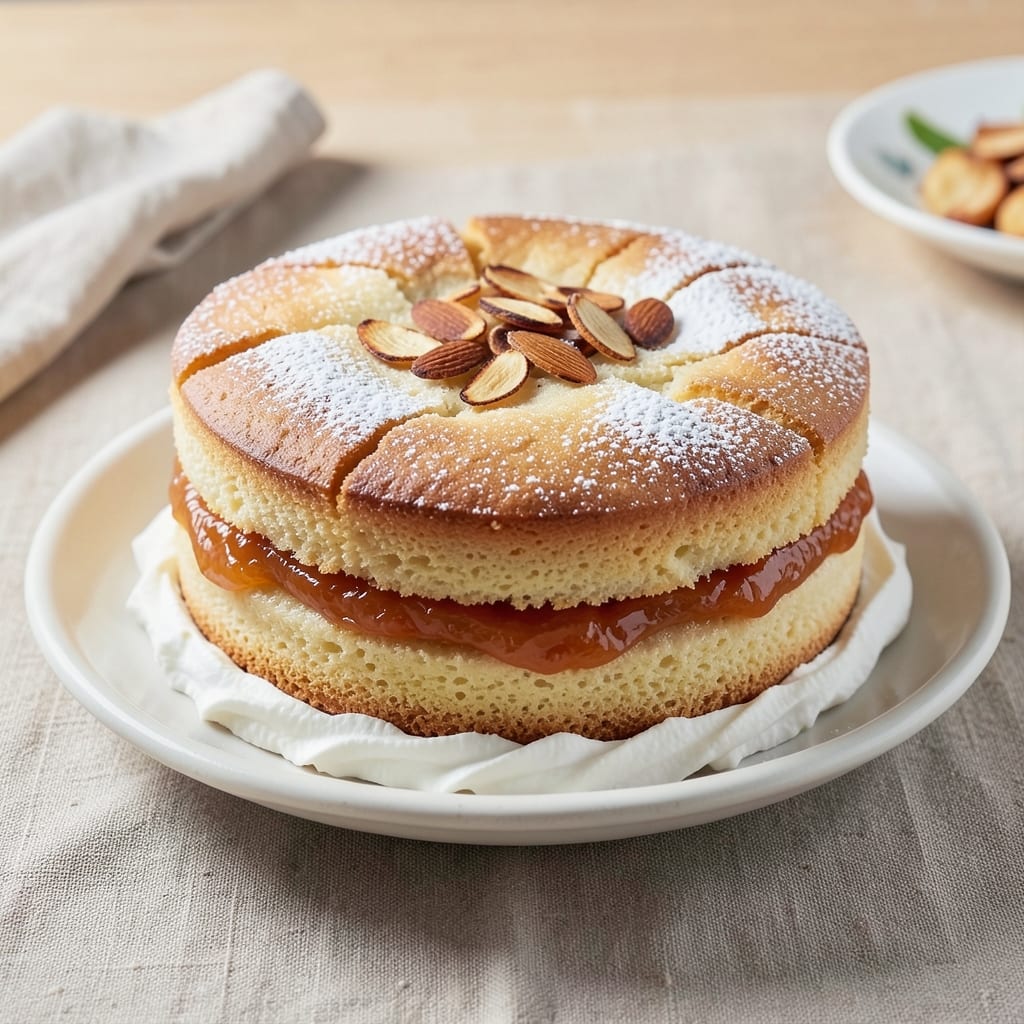
This Alpine cake recipe brings Swiss mountain lightness to your kitchen with its signature citrus zest and delicate crumb. 💛 The secret lies in its tender, airy texture—achieved through precise folding and a touch of sour cream—that makes every slice feel like a whisper of the Alps. I've perfected this recipe over years of baking, ensuring it's foolproof yet still feels special enough for company.
The cake's magic comes from its simple yet balanced ingredients: butter, sugar, eggs, and a blend of flour that creates that signature fine crumb. A hint of citrus zest brightens the flavor without overpowering, while a light dusting of powdered sugar adds just the right touch of sweetness. Baking at 350°F for 40-45 minutes ensures a golden, even rise with a tender interior.
What makes this Alpine cake truly remarkable is its ability to stay moist for days, making it perfect for meal prep or gifting. The texture is light yet sturdy enough to hold up to layers of cream or fresh berries. Whether served at a brunch or as an after-dinner treat, it's a dessert that feels both elegant and comforting.
For an extra touch of sophistication, consider adding a lemon glaze or a sprinkle of toasted almonds on top. The cake's versatility means it works as a standalone dessert or as the base for a layered trifle. Let's get baking!
Ingredients for alpine cake
Simple ingredients that transform into a Swiss-inspired masterpiece with citrus brightness.
| Ingredient | Amount | Notes |
|---|---|---|
| Unsalted Butter 🧈 | 1 cup | Softened but not melted |
| Granulated Sugar 🍚 | 1 ½ cups | Superfine preferred for smooth texture |
| Large Eggs 🥚 | 4 whole | Room temperature for even mixing |
| All-Purpose Flour 🌾 | 2 cups | Sifted for light crumb |
| Cake Flour 🌾 | ½ cup | For delicate texture |
| Baking Powder 🍞 | 2 tsp | Aluminum-free preferred |
| Salt 🧂 | ½ tsp | Fine sea salt |
| Sour Cream 🥛 | ½ cup | Full-fat for richness |
| Lemon Zest 🍋 | 1 tbsp | Freshly grated |
| Orange Zest 🍊 | 1 tbsp | Freshly grated |
| Powdered Sugar 🍚 | ¼ cup | For dusting |
| Vanilla Extract 🌿 | 1 tsp | Pure vanilla preferred |
| Lemon Juice 🍋 | 1 tbsp | Freshly squeezed |
The butter and flour blend creates that signature fine crumb. European-style butter like Plugrá or Kerrygold adds richness, but any high-quality unsalted butter works. Cake flour is key—it keeps the texture light and tender. I always grab mine from King Arthur Flour since it's sifted and reliable. For the citrus zest, use organic lemons and oranges if possible—their vibrant color and flavor make this cake truly shine. Store your zest in the freezer in small containers so it stays fresh for up to 3 months.
No cake flour? Substitute 1/2 cup all-purpose flour plus 2 tbsp cornstarch for the same delicate texture. European-style butter unavailable? Land O'Lakes or President's Choice are solid alternatives. The sour cream can be swapped for Greek yogurt if you prefer a slightly tangier flavor. For extra zest without the grocery run, bottled citrus zest from Trader Joe's works in a pinch. The vanilla extract should be pure—imitation vanilla will alter the flavor profile noticeably.
This cake stays moist for 4-5 days when wrapped tightly in plastic and stored at room temperature. For longer storage, freeze portions wrapped in parchment paper for up to 3 months300°F oven for 5-7 minutes if you prefer it warm.
Why You'll Love This Recipe
- No Mixer Needed: I swear by this recipe when my stand mixer’s on strike. Creaming butter and sugar by hand? The butter’s rich, cold chunks cut right through the sugar—no lumps, no fuss. Even my kid can handle it.
- Buttery Vanilla Bliss: That first bite? Pure comfort. The cake flour keeps it light, but the all-purpose flour gives it structure, while the butter—oh man—melts into a cloud of vanilla goodness. It’s not overly sweet; it’s just right.
- Weeknight or Celebration: Same recipe, two vibes. Serve it warm with ice cream for a lazy Sunday, or chill it overnight for a showstopper dessert at a dinner party. The layers stay moist for days, so it’s always ready.
- Budget-Friendly Luxury: Uses pantry staples—no fancy ingredients, no waste. A single batch feeds six, and leftovers? They’re even better the next day, sliced thin with a sprinkle of powdered sugar. My wallet and my guests win.
Step-by-step instructions for Alpine cake
Here's how to create this ethereal Swiss-inspired cake with its signature citrus brightness and tender crumb.
👨🍳 Step 1: Cream Butter and Sweeteners to Ribbon Stage
In a stand mixer fitted with the paddle attachment, beat the 1 cup unsalted butter and 1.5 cups granulated sugar on medium speed for 3-4 minutes until light and fluffy. You're looking for a pale, creamy mixture that nearly doubles in volume and leaves clean streaks when the paddle is lifted.
This creaming process incorporates air that will create the cake's signature tender crumb. I press down on the butter mixture with a spatula every 30 seconds during this step to ensure even distribution of the sugar crystals. The butter should be soft but not melted—if it looks too warm, chill the bowl in the refrigerator for 10 minutes before continuing.
👨🍳 Step 2: Add Eggs and Citrus Zest Gradually
Add the 4 whole large eggs, one at a time, mixing on low speed for 30 seconds after each addition until fully incorporated. Then add the 1 tbsp lemon zest, 1 tbsp orange zest, 1 tsp vanilla extract, and 1 tbsp lemon juice, mixing just until combined.
The citrus zest and juice add that signature Alpine brightness while keeping the cake moist. I like to press the zest through a fine grater to remove any bitter pith. The mixture will look slightly curdled after adding the eggs, but don't worry—it will smooth out completely when we add the dry ingredients. This is where the cake gets its signature flavor profile, so don't rush this step.
👨🍳 Step 3: Combine Dry Ingredients and Sour Cream
In a separate bowl, whisk together the 2 cups all-purpose flour, 0.5 cup cake flour, 2 tsp baking powder, and 0.5 tsp salt. With the mixer on low speed, gradually add this flour mixture to the butter mixture, alternating with the 0.5 cup sour cream in 3 additions, beginning and ending with flour.
I use a spatula to gently fold in the last few tablespoons of flour mixture to ensure everything is fully incorporated. The batter should be smooth and slightly thick—like a thick cake batter. Overmixing at this stage develops gluten and can make the cake dense. The sour cream adds richness and helps create that signature tender crumb we're after.
🔥 Step 4: Bake in Prepared Pans
Divide the batter evenly between two 9-inch round cake pans lined with parchment paper and greased with butter. Tap the pans gently on the counter to release any air bubbles. Bake in a preheated 350°F oven for 25-30 minutes, or until a toothpick inserted in the center comes out clean and the tops spring back when touched.
I recommend baking one pan at a time to maintain even oven temperature. The cake should have a golden top but still look slightly underbaked in the center when you remove it from the oven—it will continue cooking as it cools. Rotate the pans halfway through baking for even browning. The citrus scent should fill your kitchen as it bakes, signaling that all those bright flavors are developing.
⏰ Step 5: Cool and Dust with Powdered Sugar
Allow the cakes to cool in their pans for 10 minutes, then transfer to a wire rack to cool completely. Once completely cool, dust the tops generously with the 0.25 cup powdered sugar using a fine-mesh sieve. This step adds that signature Alpine cake presentation while keeping the cake light.
The cakes should be moist but not sticky, with a tender crumb that almost melts in your mouth. The citrus notes should be bright but not overpowering, with just a hint of vanilla warmth. Serve at room temperature with fresh berries or a dollop of whipped cream for the perfect Alpine dessert experience.
Pro Tips For Making Alpine Cake
- Cream Butter Slowly: I learned this the hard way—dumping cold butter straight into sugar makes a gummy mess. Let the butter sit at room temp for 30 minutes first, then beat it with the sugar on medium until it’s light and fluffy. If it’s still grainy after 5 minutes, you’re not there yet. ---
- Sift Dry Ingredients Together: Mixing all-purpose and cake flour separately risks uneven texture. Sift them together with the leavening agents first—this cuts lumps and guarantees a tender crumb. (Yes, even if you’re impatient like me.) ---
- Avoid Overmixing Eggs: Alpine cake relies on air for that signature lightness. Once the eggs are fully incorporated (about 2 minutes of beating), stop. Overmixing turns the batter dense, and you’ll end up with a sad, flat cake. Trust the process—your future self will thank you. ---
- Bake in Two Rounds: This isn’t the prettiest method, but it’s the tastiest. Split the batter between two 9-inch pans (or one 8-inch and one 9-inch) instead of one deep pan. The cake bakes faster, stays moist, and doesn’t develop a dry top. (Your guests won’t know the difference, but you will.)
Essential equipment for this dish
Stand Mixer Essentials
Your stand mixer is the heart of this recipe—look for a model with at least a 5-quart capacity like the KitchenAid Artisan or Cuisinart Premium. The paddle attachment is crucial for creaming butter and sugar to ribbon stage. I use my KitchenAid 600W mixer for this recipe because it handles the dense batter beautifully. For budget options, the Hamilton Beach 6-Speed works well for occasional baking.
Precision Baking Tools
Invest in a quality digital kitchen scale for accurate measurements—especially for the 1.5 cups sugar and 2 cups flour. My go-to is the OXO Good Grips scale, which measures in both grams and ounces. A 9-inch round cake pan with removable bottom is ideal—I use Wilton Perfect Results pans for even baking. Don't forget a fine-mesh sieve for dusting powdered sugar evenly.
Citrus Zest Tools
Fresh citrus zest makes all the difference—use a Microplane grater for fine, even zesting. I keep one on my counter specifically for this purpose. For the 1 tbsp lemon and orange zest, avoid the white pith which can make the cake bitter. A zesting tool like the Bamix Citrus Zester is another great option if you bake frequently.
Temperature Control
An oven thermometer is non-negotiable—home ovens can vary by 25°F or more. I use the Thermoworks Oven Thermometer to ensure my 350°F setting is accurate. For even baking, place a metal tray on the middle rack to create a steam environment. A wire cooling rack is essential for proper cooling after baking.
Storage Solutions
For leftovers, store your cake in an airtight container with parchment paper between layers. I use Glasslock containers for their tight seal. For freezing, wrap individual slices in plastic wrap and place them in a freezer bag. Label everything with dates—this cake stays fresh for up to 5 days at room temperature or 3 months frozen.
Nutrition facts
Frequently asked questions
Why does this Alpine cake have such a light texture?
The secret lies in the combination of cake flour and sour cream. Cake flour creates a delicate crumb, while the sour cream adds moisture without heaviness. The gentle folding technique and proper creaming of butter and sugar also incorporate air that keeps the texture airy.
Can I make this cake in a different pan size?
Yes, but you'll need to adjust the baking time. For a 9-inch pan, bake 25-30 minutes at 350°F. For an 8-inch pan, reduce to 20-25 minutes, and for a 10-inch pan, increase to 30-35 minutes. Always use a toothpick test to check doneness.
What if I don't have cake flour?
No problem! Mix 1/2 cup all-purpose flour with 2 tablespoons cornstarch to replace the 1/2 cup cake flour in the recipe. This combination mimics cake flour's protein content and keeps the texture tender. Sift before measuring for best results.
How can I prevent my cake from being dry?
Overbaking is the most common cause. Remove the cake when a toothpick comes out clean but still has moist crumbs. For extra moisture, brush the warm cake with simple syrup (equal parts sugar and water, heated until dissolved). Store properly in an airtight container to maintain freshness.
Can I add chocolate or nuts to this recipe?
Fold in 1/2 cup dark chocolate chips or 1/2 cup chopped toasted almonds with the dry ingredients. For chocolate, use melted chocolate that's slightly cooled. For nuts, toast them first to enhance flavor. Just reduce the flour by 1/4 cup to maintain proper texture.