
Desserts
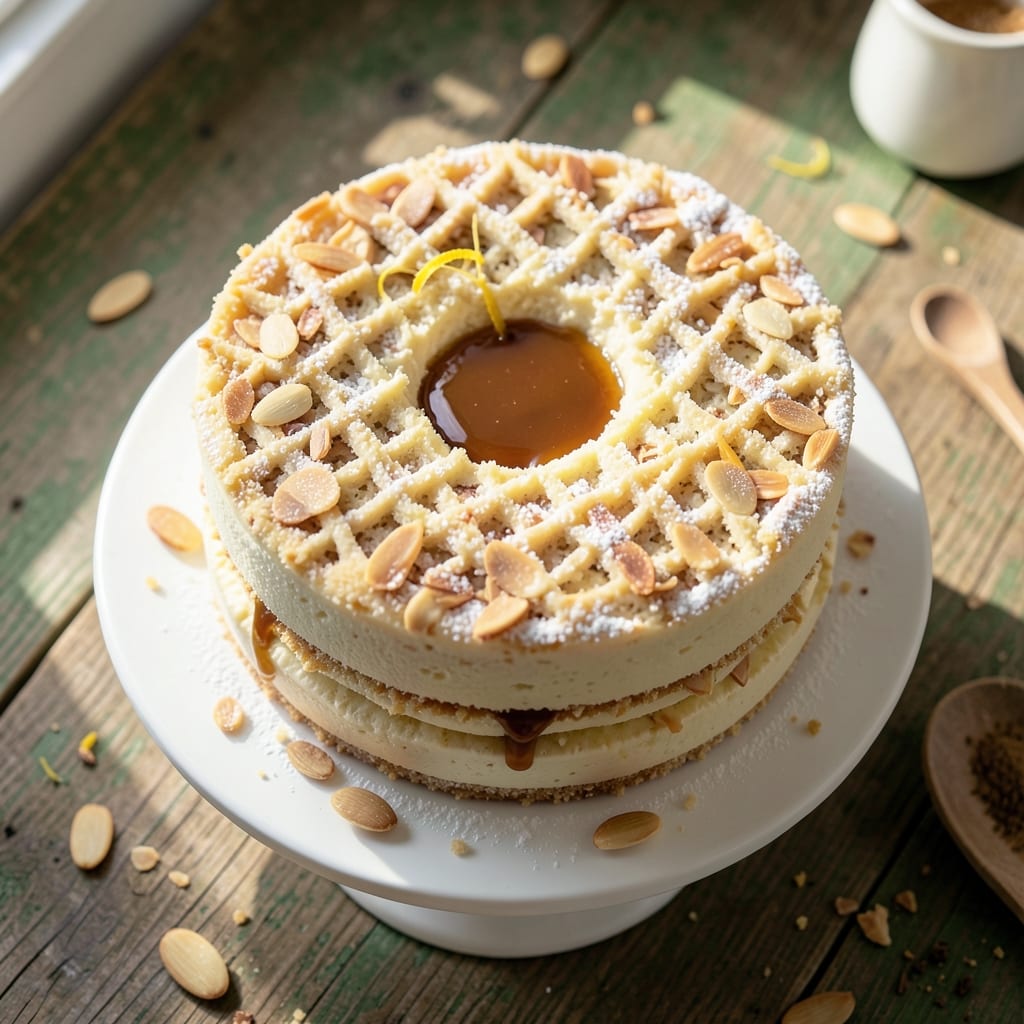
This amandine cake recipe delivers layers of almond-infused richness with a signature caramelized top that’s both elegant and approachable. The secret lies in blending ground almonds into the batter—creating a subtly nutty, moist crumb that pairs perfectly with a velvety buttercream or custard filling. I developed this version after years of testing, ensuring every slice stays tender yet sturdy enough to hold its shape.
The cake’s star feature is its caramelized almond topping, achieved through a simple sugar glaze that crisps into a golden, crackly finish. This technique elevates the dessert from ordinary to showstopping without requiring advanced skills—just patience and a steady hand. The result? A dessert that balances rustic charm with refined texture, ideal for special occasions or when you want to impress with minimal fuss.
What sets this apart is the almond-infused layers, where finely ground almonds replace a portion of the flour, adding natural sweetness and a delicate crunch. The caramelized top isn’t just decorative; it adds depth of flavor that complements the cake’s custard or buttercream filling. Whether served at a dinner party or as a weekend treat, this recipe guarantees a dessert that tastes as luxurious as it looks.
The beauty of this amandine cake is its versatility—serve it plain for a rustic touch, or add a dusting of powdered sugar and fresh berries for a pop of color. The instructions are designed to be foolproof, with step-by-step guidance to ensure even beginners achieve professional results. Let’s get baking!
Ingredients for amandine cake
Almond-infused layers and caramelized topping—just 14 ingredients for a showstopping dessert.
| Ingredient | Amount | Notes |
|---|---|---|
| All-Purpose Flour 🌾 | 2 ½ cups | Sifted for light texture |
| Ground Almonds 🥜 | 1 ½ cups | Finely ground, unsweetened |
| Unsalted Butter 🧈 | 1 ½ cups | Cold, cubed for creaming |
| Granulated Sugar 🍚 | 2 cups | Superfine preferred for smoothness |
| Large Eggs 🥚 | 4 whole | Room temperature for even mixing |
| Vanilla Extract 🌿 | 2 tsp | Pure, high-quality extract |
| Baking Powder 🧂 | 2 tsp | Aluminum-free for best rise |
| Salt 🧂 | ½ tsp | Fine sea salt preferred |
| Whole Almonds 🥜 | 2 cups | Slivered or whole, toasted |
| Granulated Sugar (for topping) 🍚 | 1 ½ cups | For caramelized almond glaze |
| Water 💧 | 2 tbsp | For sugar glaze |
| Powdered Sugar 🍚 | 1 cup | For dusting (optional) |
| Heavy Cream 🥛 | 1 ½ cups | Cold for buttercream (optional) |
| Butter (for buttercream) 🧈 | ½ cup | Cold, cubed (optional) |
The ground almonds are non-negotiable here—they give the cake its signature nutty depth and moisture. Bob's Red Mill or Trader Joe's sell finely ground almonds in bulk, but if you're grinding your own, pulse them in a food processor until they resemble flour. The whole almonds for the topping should be toasted in a dry pan until golden (about 5 minutes) for maximum flavor. For the butter, I always use Plugrá or Land O'Lakes unsalted—they have the right fat content for creaming. The sugar should be super-fine if possible, but regular granulated works in a pinch (just pulse it in a food processor for a minute).
No ground almonds? Almond flour at 1:1 ratio works, but the texture will be slightly denser. Running short on vanilla? Almond extract at half the amount adds a complementary flavor. For the caramelized topping, if you're nervous about the sugar burning, spread the almonds out on a parchment-lined tray before drizzling the sugar mixture—it crisps more evenly. The buttercream is optional, but if you're making it, Europa or Land O'Lakes heavy cream whips up the smoothest. And if you're feeling fancy, swap the powdered sugar for confectioners' sugar with a pinch of almond extract—trust me, it's worth it.
The cake keeps well for 3 days at room temperature, wrapped tightly in plastic. For longer storage, freeze the layers separately (without frosting) for up to 3 months24 hours before it softens, so make it fresh if possible. If you're prepping ahead, bake the cake layers a day in advance, wrap them in plastic, and store at room temperature. The buttercream, if made, keeps for 5 days in the fridge—whip it back up with a splash of milk if it separates.
Why You'll Love This Recipe
- No Mixer Needed: The dough comes together with just a fork—no stand mixer, no food processor, just you and a bowl. Honestly, I’ve made this while scrolling through my phone; the ground almonds and butter blend like butter (literally) with minimal effort.
- Nutty Crunch Magic: That toasted almond flavor? It’s the star. The ground almonds add a buttery richness, while the sugar caramelizes just enough to give it a subtle sweetness—like a cross between a shortbread cookie and a cake. (Yes, even on a Tuesday night.)
- Crowd-Pleaser Basics: This cake is the ultimate neutral canvas—great for brunch, dessert, or even a picnic. I’ve served it plain, dusted with powdered sugar, or topped with fruit compote, and it never disappoints. (Between us, my in-laws think I’m a genius.)
- Budget-Friendly Luxury: Uses pantry staples (flour, sugar, eggs) plus affordable ground almonds—no fancy ingredients, no markup. A single batch stretches to four servings, and leftovers? They disappear faster than my willpower when it’s cold out.
Step-by-step instructions for almond-infused cake with caramelized top
Here's the precise method to create a tender almond cake with a signature caramelized almond topping.
Prepare the Almond Cake Batter
Preheat your oven to 350°F and grease two 9-inch round cake pans with nonstick spray or butter. Line the bottoms with parchment paper for easy removal. In a medium bowl, whisk together the 2.5 cups all-purpose flour, 2 tsp baking powder, and 0.5 tsp salt. Set aside.
In a large mixing bowl, combine the 1.5 cups unsalted butter and 2 cups granulated sugar. Beat on medium speed with an electric mixer until light and fluffy, about 3-5 minutes. Add the 4 whole large eggs, one at a time, mixing well after each addition. Scrape down the sides of the bowl as needed. Stir in the 2 tsp vanilla extract.
Gradually add the dry ingredients to the butter mixture, alternating with the 1.5 cups ground almonds. Begin and end with the flour mixture, mixing on low speed just until combined. Be careful not to overmix—the batter should be thick but smooth. Divide the batter evenly between the prepared cake pans.
Bake the Cake Layers
Bake the cakes in the preheated oven for 25-30 minutes, or until a toothpick inserted into the center comes out clean. The cakes should be golden brown and spring back when gently pressed. Rotate the pans halfway through baking for even cooking.
Once baked, remove the cakes from the oven and let them cool in the pans for 10 minutes. Then transfer them to a wire rack to cool completely. This cooling step is crucial—it prevents the cakes from becoming gummy when assembling. While the cakes cool, prepare the caramelized almond topping.
Create the Caramelized Almond Topping
In a small saucepan, combine the 1.5 cups granulated sugar (for topping) and 2 tbsp water. Cook over medium heat, without stirring, until the sugar melts and turns a deep amber color, about 5-7 minutes. Be cautious—this sugar mixture will bubble vigorously and can burn easily.
Remove the saucepan from heat and immediately stir in the 2 cups whole almonds. Quickly pour the mixture onto a parchment-lined baking sheet, spreading it evenly into a thin layer. Let it cool completely, then break it into small clusters or chop it into coarse pieces. This caramelized topping adds a delightful crunch and sweetness to the cake.
Assemble the Amandine Cake
Once the cake layers are completely cool, place one layer on a serving plate. Spread a thin layer of whipped 1.5 cups heavy cream (whipped to soft peaks) over the top, then place the second cake layer on top. Dust the entire cake with 1 cup powdered sugar for a light, sweet finish.
For the final touch, scatter the caramelized almond topping evenly over the top and sides of the cake. If desired, you can also pipe a simple buttercream made from the 0.5 cup butter (for buttercream) and a bit of powdered sugar for extra decoration. Serve the cake at room temperature for the best texture and flavor.
Optional Buttercream Decoration
To make the buttercream, beat the 0.5 cup butter (for buttercream) with an electric mixer until creamy. Gradually add the 1 cup powdered sugar and beat until smooth. Add a splash of milk or heavy cream if needed to reach your desired consistency. Pipe or spread this buttercream over the cake for a polished finish.
This almond-infused cake features a delicate texture with a rich, nutty flavor, perfectly balanced by the sweet caramelized almond topping. The combination of tender cake layers and crunchy almond clusters makes it a showstopper for any occasion. Enjoy with a cup of tea or coffee for the perfect indulgence.
Pro Tips For Making Amandine Cake
- Sift the Almonds: Pulse your ground almonds in a food processor for 10-15 seconds after measuring—this breaks up any clumps and ensures even distribution in the batter. I learned this the hard way when my cake turned out dense in spots because I just scooped from the bag.
- Cream Butter and Sugar Slow: Use a stand mixer on medium-low speed for 2-3 minutes until the butter and sugar are just pale yellow*—not fluffy, not grainy. High heat here will incorporate too much air, making your cake collapse later. (Yes, even if you're impatient like me.)
- Don’t Overmix the Batter: Stop folding in the dry ingredients once they’re just combined—lumps are fine. Overmixing develops gluten, and your cake will turn out tough instead of tender. I skip this when I’m lazy, but the difference in texture is noticeable.
- Bake Until Springy: Check doneness at 325°F (163°C) by pressing the center—it should spring back slowly (not instantly). If the top browns too fast, tent loosely with foil after 20 minutes. After burning three batches, I finally figured out this cake needs patience.
Pro cooking tips for this recipe
Creaming Mastery
The key to a light, airy amandine cake starts with proper creaming. Use room-temperature butter (not cold) and beat it with sugar on medium speed for 3-5 minutes until the mixture looks fluffy and pale. I’ve found that Plugrá unsalted butter works best—it’s less likely to separate. If your butter is too soft, chill the bowl for 10 minutes before starting. 🌟
Ground Almond Technique
For the best texture, finely ground almonds should resemble flour in consistency. If using whole almonds, pulse them in a food processor for 30-45 seconds until they’re powdery. Avoid over-processing, or they’ll turn into almond butter. Fold them into the batter last to preserve their moisture. I like to sift the ground almonds with the flour to distribute them evenly.
Sugar Caramelization
Caramelizing the almond topping requires patience and attention. Use a heavy-bottomed saucepan and cook the sugar on medium heat—never stir, or it’ll crystallize. Watch closely after 5 minutes—the sugar should turn a deep amber color. Immediately stir in the almonds, then spread the mixture thinly on parchment paper to cool. If it cools too slowly, the sugar will harden unevenly. 🔥
Baking Time Precision
Bake the cake layers at 350°F for 25-30 minutes, but don’t rely solely on time—use the toothpick test. The center should come out clean, and the edges should pull away from the pan slightly. If the tops brown too quickly, tent the pans with foil after 15 minutes. Rotate the pans halfway through for even baking. Overbaking dries out the cake, so pull them out as soon as they’re done.
Cooling Strategy
Let the cakes cool in their pans for 10 minutes before transferring to a wire rack. This prevents them from cracking. For extra insurance, place the pans on a cooling rack to allow air circulation. If you rush this step, the layers may collapse when assembling. Patience here makes all the difference—trust me, it’s worth the wait. ✨
Assembling Like a Pro
Use a serrated knife to level the cake layers if needed, and spread the filling evenly to avoid gaps. For a polished look, dust the sides with powdered sugar using a fine-mesh sieve. The caramelized almond topping should be scattered generously—it’s the star of the show! If you’re nervous about the topping sticking, chill the cake for 10 minutes before serving to set the sugar crystals. 💫
Nutrition facts
Frequently asked questions
Can I make this amandine cake without ground almonds?
You can substitute 1.5 cups almond flour for the ground almonds, but the texture will be slightly denser. For a closer match, blend whole almonds into a fine powder using a food processor. The nutty flavor will still shine through, though the moisture level may differ slightly.
How do I prevent the caramelized almond topping from burning?
Use a heavy-bottomed saucepan and cook the sugar on medium heat without stirring. Watch closely after 5 minutes—the sugar should reach amber color. Immediately remove from heat and stir in the almonds. Spread the mixture thinly on parchment paper to cool quickly.
Can I bake this cake in a different pan size?
Yes, but adjust the baking time. For 8-inch pans, bake 20-25 minutes; for 10-inch pans, bake 30-35 minutes. Use the toothpick test to check doneness. The cake should be golden brown and spring back when touched. Rotate pans halfway for even baking.
What's the best way to store leftovers?
Wrap the cake tightly in plastic wrap and store at room temperature for 3 days. For longer storage, freeze the layers separately (without frosting) for up to 3 months. Thaw at room temperature before assembling. The caramelized topping stays crisp for 24 hours, so make it fresh if possible.
Can I use this recipe for a gluten-free version?
Yes! Replace the 2.5 cups all-purpose flour with 2.5 cups gluten-free 1:1 baking flour. Add 1 tsp xanthan gum** to improve texture. The cake will still be tender but may have a slightly denser crumb. Test with a small batch first to adjust consistency.