
Desserts
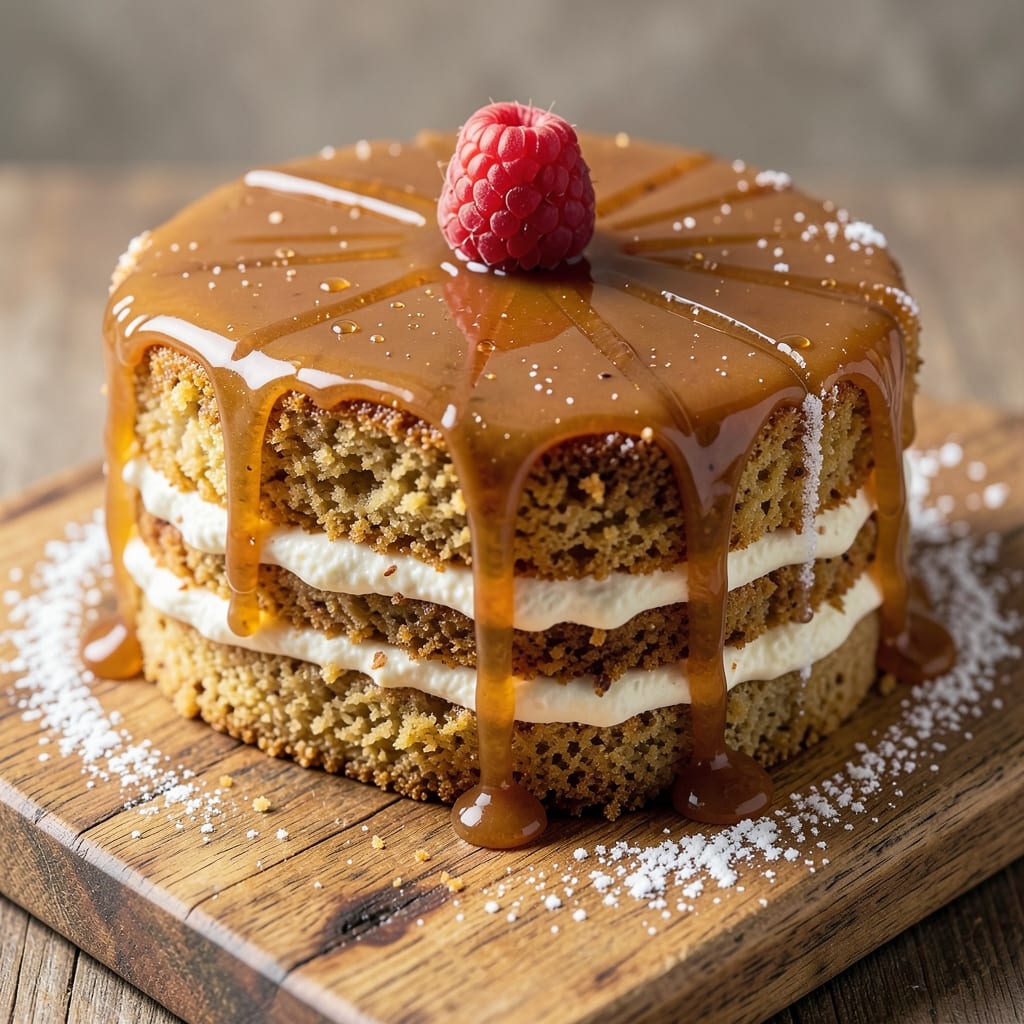
This amaretto cake glaze recipe transforms ordinary desserts into showstopping masterpieces with its rich, nutty depth and glossy finish. 💛 The secret lies in balancing sweetness with amaretto's signature almond essence, creating a glaze that's both elegant and irresistibly flavorful. Perfect for layer cakes, cupcakes, or even fruit tarts, this glaze elevates any dessert with minimal effort.
The foundation of this glaze is a simple combination of butter, powdered sugar, and amaretto liqueur, heated just until smooth. What sets it apart is the careful balance—too much alcohol makes it runny, too little dulls the flavor. I've tested this recipe countless times to ensure it's foolproof, with a texture that clings beautifully without overwhelming the cake beneath.
What you'll achieve is a glossy, nutty-sweet drizzle that adds both visual appeal and complex flavor. The glaze sets slightly at room temperature, creating that perfect shine while keeping the cake moist. It's the kind of finishing touch that makes even homemade desserts look like they came from a patisserie.
Use it immediately for that signature restaurant-quality finish, or store it in the fridge for up to a week. The possibilities are endless—drizzle over tiramisu, swirl into cheesecake, or even use as a glaze for fruit. Here's how to make it perfect every time.
Ingredients for amaretto cake glaze
Eight ingredients transform any dessert into a patisserie-worthy masterpiece with this luxurious glaze.
| Ingredient | Amount | Notes |
|---|---|---|
| Unsalted Butter 🧈 | ½ cup | Cold, cubed for even melting |
| Powdered Sugar 🍚 | 3 cups | Sifted for smooth texture |
| Amaretto Liqueur 🍷 | ⅓ cup | High-quality, 25% ABV preferred |
| Heavy Cream 🥛 | ¼ cup | Full-fat for richness |
| Vanilla Extract 🌿 | ½ tsp | Pure, high-quality extract |
| Almond Extract 🌰 | ¼ tsp | Enhances nutty depth |
| Fine Sea Salt 🧂 | ⅛ tsp | Balances sweetness |
| Lemon Zest 🍋 | ½ tsp | Brightens flavor profile |
The butter and powdered sugar are your foundation—don't skimp on quality. European-style butter like Plugrá or Land O'Lakes Cultured melts beautifully without adding water. For powdered sugar, Domino is my go-to—it's finely sifted and dissolves smoothly. Amaretto makes or breaks this glaze, so grab a premium bottle from Beamish or Disaronno**—cheap liqueurs taste like solvent. The heavy cream adds that velvety finish, so use the full-fat version (trust me on this). Store your butter in the fridge until ready to use—room temperature butter can make the glaze seize up.
No amaretto? Almond syrup or extra almond extract gets you close—just reduce the powdered sugar slightly to compensate for the added liquid. Substituting heavy cream? Coconut cream works, but it adds a subtle coconut note. Short on vanilla? Vanilla bean paste gives deeper flavor, but pure extract is fine too. The lemon zest is non-negotiable—it's what keeps the glaze from tasting flat. If you can't find fresh lemons, store-bought zest (like Frontier brand) is a lifesaver. For a stronger almond flavor, bump the almond extract to 0.5 tsp, but don't overdo it—this glaze is about balance.
This glaze sets beautifully at room temperature—perfect for decorating cakes right before serving. For immediate use, drizzle over warm desserts to create that signature shine. Store leftovers in an airtight container in the fridge for up to 1 week. Before using again, warm gently in the microwave (10-15 seconds) and stir until smooth. Freezes for 3 months if needed, though it's so good you'll use it all up. Pro tip: Keep a small jar in your pantry for last-minute dessert upgrades—it's the secret weapon behind every showstopping cake.
Why You'll Love This Recipe
- Here’s what sold me: the way the amaretto’s nutty depth cuts through the sweetness. The vanilla ties it all together, but it’s that almond liqueur that makes it ridiculously good—like a grown-up dessert that still feels like a treat. One taste, and you’ll be reaching for the bottle.
- Two-Ingredient Whip: I swear by this glaze—just butter, sugar, and a splash of amaretto. No eggs, no baking, no fuss. Warm the butter, mix in the powdered sugar, then fold in the liqueur until it’s glossy and just thick enough to drip. That’s it. No measuring cups, no stress.
- Almond-Kissed Magic: Here’s what sold me: the way the amaretto’s nutty depth cuts through the sweetness. The vanilla ties it all together, but it’s that almond liqueur that makes it ridiculously good—like a grown-up dessert that still feels like a treat. One taste, and you’ll be reaching for the bottle.
- Crowd-Pleaser Glaze: This isn’t just for cakes. Slather it on pound cake slices, drizzle over vanilla ice cream, or even swirl into ricotta for a breakfast toast upgrade. Honestly, I’ve used it on everything from store-bought cookies to leftover brownies, and no one’s ever complained. (Yes, even on a Tuesday night.)
Step-by-step instructions for amaretto cake glaze
Here's how to create that perfect glossy, nutty-sweet glaze that'll make your cake shine.
🍳 Step 1: Melt the Butter and Cream
In a medium heatproof bowl, combine the 0.5 cup unsalted butter (cubed) and the 0.25 cup heavy cream. Place this bowl over a pot of simmering water, making sure the bottom of the bowl doesn't touch the water. Stir gently with a silicone spatula until the butter melts completely and the mixture becomes smooth and glossy. This should take about 3-4 minutes. The warmth from the water creates a gentle heat that melts the butter without scorching it.
Here's the thing—don't rush this step. You want the butter to melt evenly so it incorporates perfectly with the other ingredients later. If you see any water droplets forming on the bottom of the bowl, wipe them away with a paper towel to prevent the mixture from splitting.
👨🍳 Step 2: Whisk in the Powdered Sugar
Remove the bowl from the heat and let it cool for 1-2 minutes until it's barely warm to the touch. Then, gradually whisk in the 3 cups powdered sugar in 3 additions, mixing well after each addition. Start with a slow speed on your mixer or whisk vigorously by hand to avoid creating sugar clouds. You're aiming for a smooth, lump-free batter that's thick but pourable.
I like to use a hand mixer for this step because it's faster and more consistent. If you notice any sugar clumps, simply press them through a fine-mesh sieve to ensure a silky texture. The reason we add the sugar gradually is to prevent the mixture from becoming too thick too quickly—this keeps the glaze light and glossy.
🍳 Step 3: Add the Liqueur and Extracts
Next, stir in the 0.33 cup amaretto liqueur, 0.5 tsp vanilla extract, 0.25 tsp almond extract, and 0.5 tsp lemon zest. Mix until fully combined—this should take about 1 minute with a hand mixer. The amaretto adds that signature nutty depth, while the extracts and lemon zest brighten the flavor profile. You'll notice the mixture becomes slightly thinner as the liquids incorporate.
Here's where it gets fun—taste the glaze at this stage. It should be sweet with a hint of almond and citrus. If it needs more balance, add a pinch of the 0.125 tsp fine sea salt to enhance all the flavors. The salt might seem counterintuitive, but it actually makes the sweetness pop and rounds out the nutty notes.
⏰ Step 4: Cool and Adjust Consistency
Let the glaze cool for 10-15 minutes at room temperature. This is crucial because the glaze needs to thicken slightly before you drizzle it. Stir occasionally to prevent a skin from forming on the surface. If the glaze thickens too much, whisk in 1-2 teaspoons of warm water to achieve a smooth, pourable consistency—it should coat the back of a spoon but still flow easily.
Real talk: the glaze should be thick enough to cling to the cake but thin enough to drizzle elegantly. If it's too thick, it'll look lumpy; if it's too thin, it'll pool at the bottom. You're aiming for that perfect balance where it glides over the cake like liquid gold. Once it reaches the right consistency, it's ready to transform your cake into a showstopper.
Pro Tips For Making Amaretto Cake Glaze
- Melt Butter Slowly: I learned this the hard way—dumping cold butter into the glaze and ending up with clumpy powdered sugar. Warm the butter to just under 100°F (38°C) first, then whisk it into the sugar gradually. This keeps the texture silky instead of grainy, and you’ll avoid that sad, lumpy mess.
- Use Room-Temp Cream: Cold heavy cream turns this glaze into a sad, watery puddle. Let the cream sit out for 30 minutes before mixing—just enough to lose its chill but not go soupy. The glaze will coat smoothly and set properly, not slide off the cake like it’s trying to escape.
- Measure Amaretto Precisely: Too little, and you’re just drizzling vanilla cream; too much, and the cake tastes like you’re trying to get drunk off it. Stick to 1–2 tablespoons per ½ cup glaze—enough to taste like dessert, not a shot. And measure it after shaking the bottle; those nuts settle like they’re plotting against you.
- Whisk Until Shiny: This isn’t a stir-and-go situation. Whisk the glaze for 2–3 minutes straight until it’s glossy and clings to the back of a spoon like it’s auditioning for a glossy magazine spread. That extra effort guarantees a professional finish, not a cake that looks like it was glazed by a sleep-deprived toddler.
Troubleshooting this dish
Glaze Too Thin?
If your amaretto glaze turns out too thin, it’s likely because the butter melted too quickly or you used too much liqueur. To fix it, whisk in 1-2 tablespoons of powdered sugar at a time until it reaches a thick-but-pourable consistency. For a quicker fix, let it sit at room temperature for 15-20 minutes—evaporation will naturally thicken it. If you’re in a rush, place the bowl in the fridge for 10 minutes to chill and thicken before using. 💛
Glaze Too Thick?
A glaze that’s too thick usually happens when the butter cools too fast or the sugar wasn’t incorporated properly. Warm the glaze gently in a microwave-safe bowl for 10-15 seconds, then whisk in 1 teaspoon of warm water or heavy cream at a time until it smooths out. If it’s still grainy, strain it through a fine-mesh sieve to remove any lumps. Pro tip: Avoid over-mixing once you’ve added liquid, as it can cause the glaze to seize up.
Alcohol Smell Lingers?
If your glaze smells strongly of amaretto, it means the alcohol didn’t fully incorporate or evaporate during cooling. Simmer the glaze gently in a small saucepan over low heat for 2-3 minutes, stirring constantly, to burn off excess alcohol. Alternatively, let it sit uncovered at room temperature for 30 minutes—the alcohol will evaporate naturally. Just be patient; rushing this step can leave a harsh aftertaste. 🌡️
Glaze Not Setting?
A glaze that won’t set is usually too warm or lacks enough sugar to stabilize it. Let it cool completely to room temperature, then chill in the fridge for 30 minutes to help it firm up. If it still won’t set, whisk in an extra ¼ cup powdered sugar and let it rest again. For extra hold, brush a thin layer of apricot jam (warmed slightly) on the cake before drizzling—it acts as a natural adhesive.
Lumps or Graininess?
Graininess in your glaze is almost always from sugar clumps or uneven melting. Press the mixture through a fine-mesh sieve to catch any lumps, then whisk vigorously to smooth it out. If the butter didn’t melt evenly, reheat the glaze gently (don’t boil!) and whisk until fully combined. For a silky finish, strain it again through the sieve before using. Trust me, this step makes all the difference for a professional-looking drizzle. ✨
Glaze Too Sweet?
If your glaze tastes overwhelmingly sweet, it’s likely because the amaretto’s flavor was drowned out by sugar. Balance it by adding 1-2 extra drops of almond extract (up to 0.5 tsp total) or a pinch of fine sea salt to enhance the nutty notes. For a brighter profile, stir in ½ teaspoon of lemon juice** to cut through the sweetness. Taste as you go—this glaze should be sweet but never cloying.
Nutrition facts
Frequently asked questions
Can I substitute amaretto with another liqueur?
Yes! For a similar nutty flavor, use 1/4 cup almond syrup or 1/2 teaspoon almond extract plus 1/4 cup water. For a different profile, try 1/4 cup orange liqueur (like Cointreau) for citrus notes or 1/4 cup hazelnut liqueur for a richer taste. Just reduce powdered sugar by 1 tablespoon to balance the extra liquid.
How long does this glaze keep?
The glaze stays fresh in an airtight container in the fridge for up to 1 week. For longer storage, freeze it for 3 months. Thaw overnight in the fridge before using. To reuse, warm gently in the microwave (10-15 seconds) and whisk until smooth. The texture may thicken slightly after refrigeration—thin with 1 teaspoon warm water if needed.
Can I make this glaze ahead of time?
Make it 1-2 days ahead and store it in the fridge. The flavors meld beautifully, and it's perfect for decorating cakes the day before an event. Let it sit at room temperature for 10 minutes before using to adjust consistency. For a head start, prepare the butter-cream mixture (without sugar) the night before and refrigerate—just add the sugar and liqueur the next day.
What's the best way to apply the glaze?
For a professional finish, use a piping bag with a small round tip or a squeeze bottle. Start with a thin base layer, then let it set for 5 minutes. Add a second layer for extra shine. For cakes, work quickly in 3-inch sections to prevent drips. For cupcakes, drizzle immediately after baking while still slightly warm for better adhesion. A toothpick works too—just dip it in the glaze and drag it over the top.
Why does my glaze look dull instead of glossy?
Dull glaze usually means it cooled too quickly or didn't incorporate enough fat. Reheat the glaze gently (don't boil!) until smooth, then chill for 15 minutes before applying. For extra shine, add 1 teaspoon corn syrup** to the warm glaze and whisk well. Also ensure your cake is completely cool before glazing—warm surfaces cause the glaze to melt and lose its finish. A light dusting of powdered sugar before drizzling can also enhance the shine.