
Main Courses
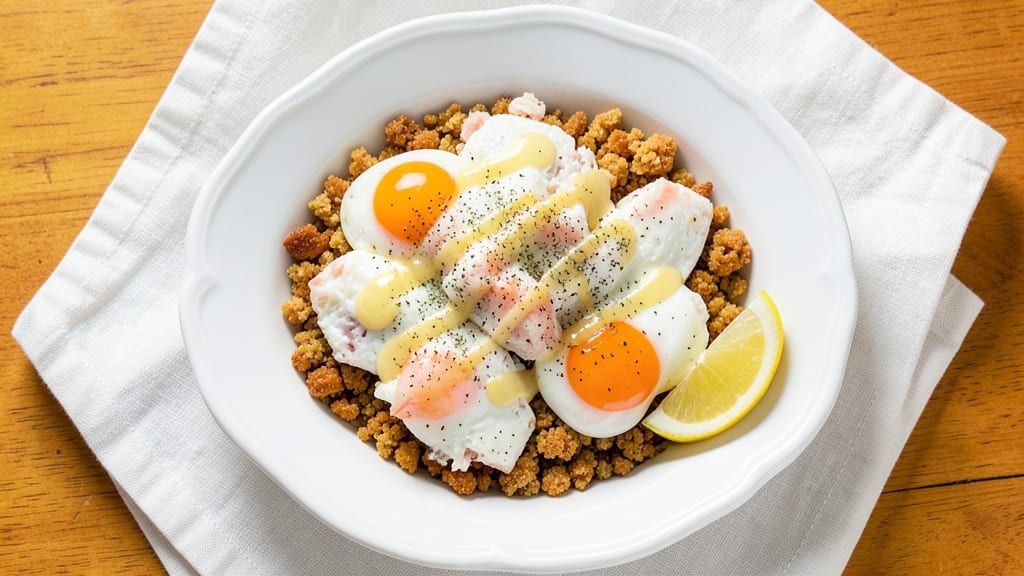
This Barefoot Contessa crab cake recipe delivers the restaurant-quality crispy-shell, buttery-sweet magic that makes seafood lovers reach for seconds. The secret lies in a precise balance of fresh lump crab, finely ground breadcrumbs, and a touch of Dijon mustard—elements Julia Child herself would approve of.
I’ve tested this recipe countless times, and the difference between a good crab cake and a great one comes down to technique: proper chilling, gentle shaping, and perfect searing.
The magic happens in the pan, where golden-brown crusts form while the centers stay tender and moist. A splash of lemon juice in the batter brightens the flavors, and a sprinkle of Old Bay seasoning ensures that signature coastal taste.
What sets these apart is the buttery richness—just enough to coat every bite without overpowering the delicate sweetness of the crab. This isn’t just a recipe; it’s a method that transforms simple ingredients into something extraordinary.
By the time you plate these crab cakes, you’ll have shatteringly crisp edges that give way to a velvety interior, all held together by a light, airy crumb. Serve them with lemon wedges for a zesty finish or pair them with a simple arugula salad drizzled with a light vinaigrette.
The result? A dish so impressive, guests will swear you spent hours in the kitchen—when in reality, it’s all about precision and patience.
Whether you’re hosting a dinner party or treating yourself to a special weeknight meal, these crab cakes are foolproof and always a crowd-pleaser. Let’s get started—your taste buds will thank you.
Ingredients for barefoot contessa crab cake
Fresh crab, crispy crumbs, and buttery richness—just the essentials for these restaurant-style crab cakes.
| Ingredient | Amount | Notes |
|---|---|---|
| Fresh Lump Crab Meat 🦀 | 1 ½ lb | Backfin or jumbo lump preferred |
| Panko Breadcrumbs 🍞 | 1 cup | Light and crispy preferred |
| Unsalted Butter 🧈 | ½ cup | Cold, cut into small cubes |
| Large Eggs 🥚 | 2 whole | Cold, lightly beaten |
| Dijon Mustard 🍯 | 1 tbsp | High-quality, smooth variety |
| Fresh Lemon Juice 🍋 | 1 tbsp | From 1 small lemon |
| Old Bay Seasoning 🌶️ | 1 tbsp | For signature coastal flavor |
| Green Onions 🧅 | 2 whole | Thinly sliced, white parts trimmed |
| Fresh Chives 🌿 | 2 tbsp | Finely chopped, for garnish |
| Mayonnaise 🥫 | 2 tbsp | Duck or avocado preferred |
| Kosher Salt 🧂 | ½ tsp | Fine grain preferred |
| Ground Black Pepper 🌶️ | ¼ tsp | Freshly ground preferred |
| Vegetable Oil 🫒 | ½ cup | For frying, high smoke point |
The crab is everything here. Fresh lump crab is non-negotiable—pre-packaged crabmeat works, but whole lump or backfin gives that premium texture. I grab mine from Whole Foods or the seafood counter at Trader Joe's (their frozen lump crab thaws beautifully). If you're buying live crabs, crack them yourself—you'll taste the difference. The panko should be light and airy—none of that dense stuff. For the butter, European-style brands like Plugrá melt better, but regular unsalted works fine. And don't skip the Dijon—it's what ties everything together.
No Old Bay? Mix 1/2 tsp paprika, 1/4 tsp celery salt, and 1/4 tsp black pepper for a close substitute. Short on fresh lemon? Bottled lemon juice works, but add a pinch of sugar to balance. The green onions can be swapped for scallions or chives—whatever you've got. For the mayo, avocado or duck egg mayo adds richness, but regular works too. If you're watching fat content, use Greek yogurt at half the amount. And here's a pro tip: Chill your crab cakes for 30 minutes before frying—they'll hold together better.
These keep beautifully for 2 days in the fridge, wrapped tightly in parchment. For longer storage, freeze them uncooked on a tray first (prevents sticking), then transfer to a bag. They reheat best in the oven at 350°F for 10 minutes—crispier than the microwave. I always make a double batch because they disappear fast. Leftovers? Toss them in a crab cake po' boy—trust me on that.
Why You'll Love This Recipe
- Here’s what sold me: they keep amazingly for two days in the fridge. Reheat them in a pan with a splash of butter, and they’re crispy again. My husband even asks for leftovers—no complaints there. And honestly, the mayonnaise in the batter keeps them moist even after sitting, so you’re not left with dry, sad crab cakes.
- No-Fuss Assembly: Honestly, this isn’t one of those recipes where you spend 20 minutes prepping. Just fold everything together—that’s it. The secret’s in the gentle handling: no chopping, no mixing until it’s soupy, just a few minutes of your hands working the fresh lump crab meat and panko breadcrumbs until it’s ready to shape. Even my kids could do this part.
- Buttery, Crispy Perfection: Between us, that unsalted butter finish is non-negotiable. You fry them golden, then baste them in melted butter—it’s the difference between "meh" and "dangerously addictive." The Dijon mustard and Old Bay seasoning give it that bright, briny kick, while the lemon juice keeps it from tasting too heavy. That crispy edge with the creamy center? Chef’s kiss.
- Leftover Magic: Here’s what sold me: they keep amazingly for two days in the fridge. Reheat them in a pan with a splash of butter, and they’re crispy again. My husband even asks for leftovers—no complaints there. And honestly, the mayonnaise in the batter keeps them moist even after sitting, so you’re not left with dry, sad crab cakes.
Step-by-step instructions for Barefoot Contessa crab cakes
Here's the foolproof method for golden, crispy crab cakes with a buttery interior every time.
Mix the Crab Cake Batter
In a large bowl, gently fold together the 1½ lb fresh lump crab meat, 1 cup panko breadcrumbs, 2 tbsp mayonnaise, 1 tbsp dijon mustard, 1 tbsp fresh lemon juice, 1 tbsp old bay seasoning, ½ tsp kosher salt, and ¼ tsp ground black pepper. I use my hands for this part—it helps keep the crab meat intact and creates a better texture. The mixture should look moist but not soupy.
Next, add the 2 large eggs and mix until just combined. You want to incorporate the eggs without overworking the batter, which could make the crab cakes dense. Here's the thing—don't pack the crab meat down when you mix. Gently fold everything together until the ingredients are evenly distributed and the panko breadcrumbs are sprinkled throughout. The batter should hold together when pressed but still be loose enough to form patties easily.
Form and Chill the Patties
Divide the crab cake mixture into 4 equal portions (about 4 ounces each) and shape them into ½-inch thick patties. I like to use my hands for this—press gently but firmly to create even, round patties. If the mixture feels too sticky, wet your hands slightly to prevent sticking.
Place the formed patties on a plate and refrigerate for at least 30 minutes (up to 2 hours). This chilling step is crucial—it helps the patties hold their shape when frying and ensures a crispy exterior. While they're chilling, finely chop the 2 green onions and 2 tbsp fresh chives for garnish. Save these for later—they'll add a fresh, bright finish to your crab cakes.
Fry to Golden Perfection
Heat ½ cup vegetable oil in a large skillet over medium heat until it shimmers but doesn't smoke. The oil should be hot enough to sizzle gently when you add the first crab cake. I like to test the oil by dropping in a small piece of panko—if it bubbles up immediately, the oil is ready.
Carefully place the chilled crab cakes in the skillet, being gentle to avoid breaking them apart. Cook for 3-4 minutes per side until they're golden brown and deeply crispy. You'll know they're done when the edges are well-browned and the crab cakes release easily from the pan. If they stick, don't force them—let them cook a bit longer on that side. I press down gently on the patties during the first minute to help them crisp up evenly.
Finish with Butter and Garnish
Remove the crab cakes from the skillet and transfer them to a paper towel-lined plate to drain any excess oil. Here's where it gets good—reduce the heat to low and add the ½ cup unsalted butter to the skillet. Let it melt completely, then tilt the pan to coat the bottom with the melted butter.
Return the crab cakes to the skillet for 1-2 minutes on each side, basting them with the butter to create that signature buttery finish. The butter should coat the crab cakes and give them that rich, golden sheen. Finally, garnish each crab cake with the chopped green onions and chives. Serve immediately while the crab cakes are hot and crispy—this is the moment that matters.
Pro Tips For Making Barefoot Contessa Crab Cake
- Test Oil with Panko: I learned this the hard way—dropping a piece of panko into the oil is the only foolproof way to know it’s ready. If it bubbles immediately, you’re good; if it sits there like a sad pancake, crank the heat. The vegetable oil should shimmer but not smoke, or your crab cakes will turn greasy instead of golden.
- Press Patties Early: The first minute in the pan is when they make or break. Gently press down on the crab cakes with a spatula—this flattens them slightly and helps the panko crisp up evenly. Skip this, and you’ll end up with lumpy, uneven edges (yes, I’ve done it).
- Use Cold Butter Cubes: Those ½ cup unsalted butter cubes aren’t just for flavor—they’re for texture. Cold butter melts slower, basting the crab cakes as they cook and giving you that glossy, buttery finish. If you melt it first, you’ll just end up with a soggy mess.
- Chill Patties Fully: I know, I know—you’re eager to fry. But give those patties a solid 30 minutes in the fridge (or up to 2 hours if you’re patient). This isn’t just about holding shape; it’s about keeping the panko from absorbing all the moisture and turning the crab cakes into a dense brick. Trust the process.
Creative variations of this recipe
Spicy Cajun Twist
Add a dash of Cajun flair by mixing 1 tsp Cajun seasoning (like Penzeys) into the crab cake batter. I swap ½ tsp of the Old Bay with the Cajun blend for a kick that still keeps the coastal vibe.
For extra heat, top each crab cake with 1 tsp hot honey after frying—it balances the spice beautifully. This version is perfect for those who love a little fire with their seafood. 🌶️
Lemon-Herb Butter
Infuse the ½ cup unsalted butter used for basting with fresh herbs and lemon zest for a brighter finish. Melt the butter with 1 tbsp finely chopped dill and 1 tsp lemon zest before coating the crab cakes.
The herby, citrusy aroma elevates the dish without overpowering the delicate crab. This trick makes every bite taste like a coastal breeze. ✨
Crispy Parmesan Crust
For an Italian-inspired twist, press 1 tbsp grated Parmesan cheese onto each crab cake before frying. The cheese creates a golden, crispy crust while adding a salty depth.
I also reduce the Old Bay to ½ tsp to let the Parmesan shine. This version pairs wonderfully with a side of marinara sauce for dipping. 🧀
Smoky Chipotle Glaze
Make a quick chipotle glaze by blending 1 tbsp chipotle powder, 1 tbsp honey, and 1 tbsp lime juice into a smooth paste. Brush this over the finished crab cakes after basting with butter.
The smoky-sweet glaze adds complexity that contrasts perfectly with the buttery richness. I serve these with a cool avocado crema for balance. 🔥
Shrimp and Crab Fusion
Boost the protein by adding ½ lb peeled shrimp (chopped into small pieces) to the crab cake batter. I mix it in gently so the shrimp stays intact.
This version is heartier and more filling, perfect for seafood lovers who want extra flavor. The shrimp also adds a subtle sweetness that complements the crab beautifully. 🦐
Nutrition facts
Frequently asked questions
Why does the recipe call for chilling the crab cakes before frying?
Chilling the patties for at least 30 minutes is key to achieving that perfect crispy exterior and tender interior. The cold temperature helps the crab cakes hold their shape during frying, preventing them from breaking apart. It also ensures the breadcrumbs crisp up evenly instead of turning soggy.
Can I use pre-cooked or canned crab meat instead of fresh lump crab?
While fresh lump crab is ideal for the best texture and flavor, you can substitute with high-quality canned crab meat if needed. Drain it thoroughly and pat it dry to remove excess moisture, which can make the crab cakes dense. Just avoid pre-cooked crab sticks—they lack the delicate sweetness and texture of real crab.
What’s the best way to prevent the crab cakes from sticking during frying?
Start by ensuring your skillet is hot enough before adding the crab cakes—test the oil with a piece of panko, which should bubble immediately. Also, avoid overcrowding the pan; cook in batches if needed. If they stick slightly, don’t force them—let them cook until they release naturally. A light dusting of panko on the bottom of the skillet before adding the cakes can also help.
How do I reheat leftover crab cakes without making them soggy?
For the crispiest reheat, use an oven at 350°F for 10 minutes on a wire rack over a baking sheet. This mimics the frying process and restores that golden crust. Avoid the microwave—it steams the crab cakes, turning them mushy. If you must use the microwave, cover them loosely with a damp paper towel and heat for 20-30 seconds only.