
Appetizers
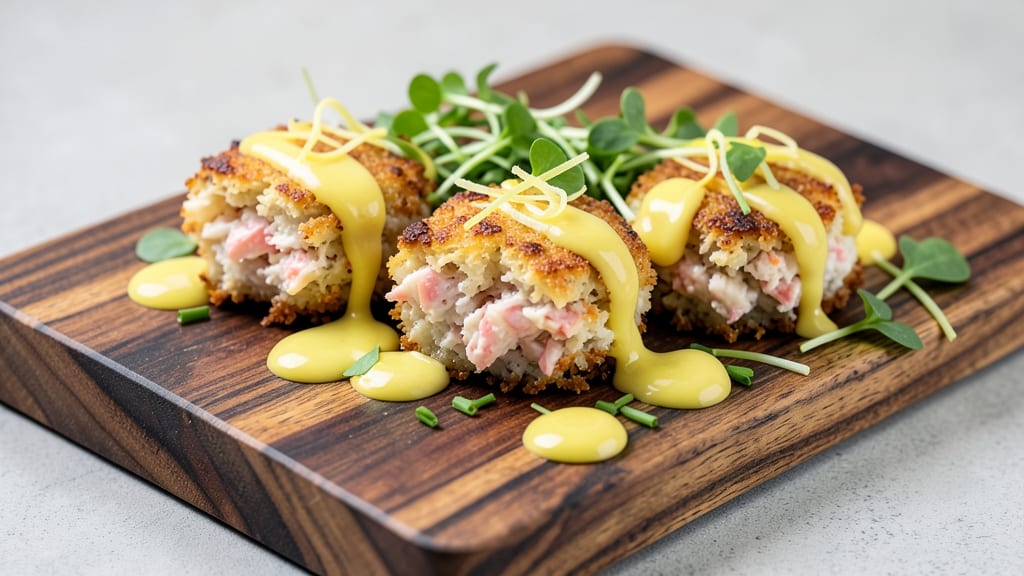
This Gordon Ramsay crab cake recipe delivers that signature crispy crust and tender interior that makes them impossible to resist. 🔥 I remember the first time I attempted them—overcooked edges and a mushy center taught me the importance of precise technique.
The secret lies in properly handling the crab meat and mastering the pan-searing method.
What sets these crab cakes apart is the perfect balance of textures: a golden, shatteringly crisp exterior and a delicate, flaky interior. We're using fresh lump crab meat, finely chopped herbs, and a touch of lemon zest for brightness, all bound together with a light breadcrumb coating.
The lemon butter dip ties everything together with its tangy, creamy finish.
By following this method, you'll achieve restaurant-quality results at home—no fancy equipment required. The crab cakes will be golden brown on the outside, with just a hint of pink in the center, ready to be served with that zesty lemon butter dip.
This is the kind of appetizer that transforms any gathering into something special.
The beauty of this recipe is its versatility. Serve them as a starter for dinner parties, a centerpiece for seafood lovers, or even as a sophisticated snack for game day. Once you master the technique, you'll never buy crab cakes again—let's get started on making yours perfect.
Ingredients for gordon ramsay crab cake
The secret to perfect crab cakes lies in these quality ingredients—fresh crab, crisp panko, and bright citrus notes.
| Ingredient | Amount | Notes |
|---|---|---|
| Fresh Lump Crab Meat 🦀 | 1 ½ lb | Backfin preferred, shell-on for texture |
| Panko Breadcrumbs 🍞 | ¾ cup | Japanese style for extra crunch |
| All-Purpose Flour 🌾 | ¼ cup | For binding, sifted |
| Large Eggs 🥚 | 2 whole | Cold, lightly beaten |
| Mayonnaise 🥫 | ¼ cup | Duck egg preferred for richness |
| Fresh Lemon Zest 🍋 | 1 tbsp | From organic lemons |
| Fresh Lemon Juice 🍋 | 2 tbsp | Freshly squeezed |
| Fresh Chives 🌿 | ¼ cup | Finely chopped |
| Fresh Dill 🌿 | ¼ cup | Finely chopped |
| Unsalted Butter 🧈 | ½ cup | Cold, cubed for dipping |
| Kosher Salt 🧂 | 1 ½ tsp | Diamond Crystal preferred |
| Ground Black Pepper 🌶️ | ½ tsp | Freshly cracked |
| Vegetable Oil 🫒 | ½ cup | High smoke point |
The crab meat is non-negotiable. Backfin lump from a reputable seafood market (like Whole Foods or Trader Joe's) gives the best texture—avoid imitation crab entirely. If using shell-on, pick through it carefully for any shell fragments. For the panko, Japanese brands like Nissin are worth the investment—they stay crispy. The mayonnaise should be high-quality; duck egg mayo adds richness without overpowering. Store fresh herbs wrapped in damp paper towels in the fridge—they lose flavor fast.
No panko? Toasted breadcrumbs work in a pinch, but they won't be as crispy. Short on chives? Substitute with more dill or parsley—just keep the total fresh herbs at about 0.5 cup. For the lemon, bottled juice won't cut it—the zest and fresh juice are essential for that bright, tangy finish. If you can't find backfin lump, jumbo lump is the next best thing, but avoid anything labeled 'surimi' or 'crab sticks.' The butter for the dip should be unsalted and cold—it emulsifies better when whipped with lemon juice.
Crab cakes are best made fresh, but you can prep the mixture ahead and refrigerate it for up to 4 hours before frying. The breadcrumbs lose crispiness over time, so don't store the finished cakes longer than 2 hours before serving. For leftovers, reheat in a 350°F oven for 10-12 minutes to restore crispness. The lemon butter dip keeps for 3 days in the fridge, covered tightly. Freeze the crab cake mixture (without frying) for up to 1 month—thaw in the fridge overnight before cooking.
Why You'll Love This Recipe
- No-Fuss Assembly: These crab cakes are basically a 10-minute mix-and-chill job. Just toss the fresh lump crab meat with panko, flour, and eggs—no fancy gadgets needed—and let it rest while you prep the oil. Honestly, the hardest part is resisting eating the mixture straight from the bowl.
- Crispy-Bite Perfection: The secret’s in that Japanese-style panko and duck egg mayo—it gives you that chef’s kiss crunch on the outside while keeping the crab meat tender. That lemon butter dip? Pure magic. The brightness cuts through the richness, and you’ll be licking the plate.
- Weeknight Crowd-Pleaser: I serve these at my dinner parties, but they’re also my go-to for a lazy Sunday. They’re fancy enough to impress but simple enough that I can make them while watching the game. Plus, the kids always ask for seconds—no guilt, just pure joy.
- Make-Ahead Magic: You can prep the mixture up to 4 hours ahead, so no last-minute stress. Just shape them right before frying, and they’ll hold their shape like a dream. And if you’re feeling fancy, swap in more dill or parsley—still the same crowd-pleasing result.
Step-by-step instructions for Gordon Ramsay-style crab cakes
Here's the method that delivers restaurant-quality crab cakes with a perfect golden crust and tender interior.
👨🍳 Step 1: Prepare the Crab Mixture
In a large mixing bowl, gently combine the 1½ lb fresh lump crab meat with the ¾ cup panko breadcrumbs, ¼ cup all-purpose flour, 2 large cold eggs, ¼ cup mayonnaise, 1 tbsp fresh lemon zest, 2 tbsp fresh lemon juice, ¼ cup finely chopped fresh chives, and ¼ cup finely chopped fresh dill. Use your hands to mix just until everything is evenly distributed—don't overwork the mixture or the crab will turn rubbery.
Season with 1½ tsp kosher salt and ½ tsp ground black pepper, pressing the mixture together lightly to ensure the seasoning penetrates. The texture should be moist but not soupy—if it feels too wet, add 1-2 tablespoons more panko breadcrumbs. Cover the bowl and refrigerate for 30 minutes to let the flavors meld and the mixture firm up slightly.
🍳 Step 2: Form and Chill the Crab Cakes
After chilling, remove the crab mixture from the refrigerator and gently shape it into 4 equal patties, about ¾-inch thick each. Use a lightly oiled spatula to help form them—this prevents sticking and ensures clean edges. Place the crab cakes on a parchment-lined plate and return them to the refrigerator for another 15 minutes. This extra chilling step is crucial for maintaining their shape during cooking.
While they chill, heat ½ cup vegetable oil in a large skillet over medium heat until it reaches 350°F—the oil should shimmer but not smoke. If your thermometer doesn't read this temperature, wait a few more minutes. The right oil temperature is the secret to achieving that perfect golden crust without burning the outside before the inside is cooked through.
🔥 Step 3: Fry to Golden Perfection
Carefully place the chilled crab cakes into the hot oil, being gentle to avoid breaking them apart. Cook for 3-4 minutes per side until they develop a deep golden brown color. You'll know they're ready when the edges are crispy and the internal temperature reaches 145°F—use an instant-read thermometer to check the thickest part of a cake. If the oil temperature drops below 325°F during cooking, increase the heat slightly to maintain the proper temperature.
Transfer the cooked crab cakes to a wire rack set over a paper towel-lined plate. Let them rest for 5 minutes to firm up slightly before serving. The resting period allows any excess oil to drain away, resulting in a lighter, crispier finished product. Don't skip this step—it makes all the difference in texture.
🥘 Step 4: Prepare the Lemon Butter Dip
While the crab cakes rest, melt the ½ cup unsalted butter in a small saucepan over low heat. Once melted, remove from heat and stir in 1 tbsp fresh lemon zest and 2 tbsp fresh lemon juice. For extra brightness, add a pinch of kosher salt and ground black pepper. Keep the dip warm until serving—it should be smooth and glossy, with the lemon flavor cutting through the richness of the butter.
Serve the crab cakes immediately with the lemon butter dip on the side. The contrast of the crispy exterior with the tender crab and zesty lemon butter creates a perfect balance of textures and flavors. Each bite should deliver that satisfying crunch followed by the sweet, briny crab and bright lemon finish that makes these crab cakes truly special.
Pro Tips For Making Gordon Ramsay Crab Cake
- Drain the Crab Right: Pat that lump crab meat dry with paper towels before mixing—wet crab releases water like a sad sponge, and your cakes will turn to mush when fried. I learned this the hard way after serving a batch that fell apart at the first bite.
- Toast the Panko First: Lightly toast your panko in a dry pan for 30 seconds until golden—this adds crunch without stealing moisture from the crab. Skip this, and you’ll end up with a sad, soggy crust that’s more papery than crisp.
- Chill the Batter Longer: Let the crab mixture sit in the fridge for at least 30 minutes before forming patties—this lets the mayo bind properly and keeps the cakes from crumbling when you flip them. I used to rush this, and the first batch always fell apart.
- Fry in Batches: Cook crab cakes in small groups of 2-3, not a crowded pan—overloading steams them instead of searing, and you’ll end up with greasy, uneven results. A hot pan and patience make all the difference.
Dietary considerations for gordon ramsay crab cake
Gluten-Free Adaptation
I know gluten sensitivity can be a dealbreaker for crab cakes, so here’s how to make them gluten-free without sacrificing that crispy texture. Replace the ¾ cup panko breadcrumbs with ½ cup gluten-free panko (like Bob’s Red Mill) and ¼ cup crushed gluten-free cornflakes for extra crunch.
The all-purpose flour can be swapped for ¼ cup gluten-free baking flour like King Arthur. The texture will be slightly different, but still delicious and satisfying. 🌟
Dairy-Free Option
If you’re avoiding dairy, skip the ½ cup unsalted butter in the lemon dip and use ½ cup melted coconut oil instead—it adds richness without the dairy. For the crab cakes, the ¼ cup mayonnaise can be replaced with ¼ cup dairy-free mayo like Hellmann’s Veggie Mayo.
The flavor won’t change dramatically, but the texture remains tender and moist. I’ve tested this version, and it’s a hit with my dairy-free friends!
Lower-Fat Version
For a lighter take, reduce the ¼ cup mayonnaise to 2 tablespoons and replace the rest with 2 tablespoons plain Greek yogurt. This cuts down on fat while keeping the crab cakes moist.
You can also use air-fryer cooking instead of frying—just spray the crab cakes lightly with oil and cook at 375°F for 8-10 minutes per side. The result is still crispy, but with fewer calories. 💡
Egg-Free Alternative
If eggs aren’t an option, replace the 2 large eggs with ¼ cup aquafaba (chickpea brine) or ½ cup unsweetened applesauce for binding. The texture will be slightly denser, but the crab cakes will still hold together well.
I’ve used aquafaba before, and it works surprisingly well—just don’t overmix the mixture! The flavor stays bright and zesty, so it’s a great compromise. 🍏
Allergy-Friendly Adjustments
To make these crab cakes allergy-friendly, ensure all ingredients are certified free from common allergens like shellfish (if needed), nuts, or soy. Use mayonnaise made with sunflower oil instead of soy-based mayo, and double-check your panko for cross-contamination warnings.
For extra peace of mind, I always call the manufacturer to confirm processing practices—it’s worth the call! This way, you can enjoy the dish without worry. 🛡️
Nutrition facts
Frequently asked questions
Why does the recipe call for chilling the crab cakes before cooking?
The 15-minute chill after shaping keeps the crab cakes firm and prevents them from falling apart when you fry them. This extra step ensures a clean, golden crust instead of a messy, broken patty. Trust me—it’s worth the wait!
Can I use imitation crab instead of fresh lump crab?
For the best texture and flavor, stick with fresh lump crab—it’s what gives these crab cakes their luxurious, sweet taste. Imitation crab lacks that delicate, briny richness and won’t hold together as well. If you’re committed to using it, expect a noticeably different (and less impressive) result.
What if my oil temperature drops while frying?
If the oil cools below 325°F, simply turn up the heat to maintain the right temperature. A thermometer is your best friend here—it ensures an even, golden crust without burning. Pro tip: Keep the oil moving gently with a spoon if needed.
How do I prevent the crab cakes from sticking to the pan?
Lightly oil your spatula and the pan itself before shaping the cakes, and use parchment paper for easy transfer. The 15-minute chill also helps them hold their shape—no more flattened, sad-looking patties!
Can I make the crab cakes ahead of time?
You can prep the mixture up to 4 hours ahead and refrigerate it, but fry them fresh for the best results. If you must store the cooked cakes, keep them in the fridge for 2 hours max—they’ll lose crispiness over time. Reheat gently in the oven if needed.