
Main Courses
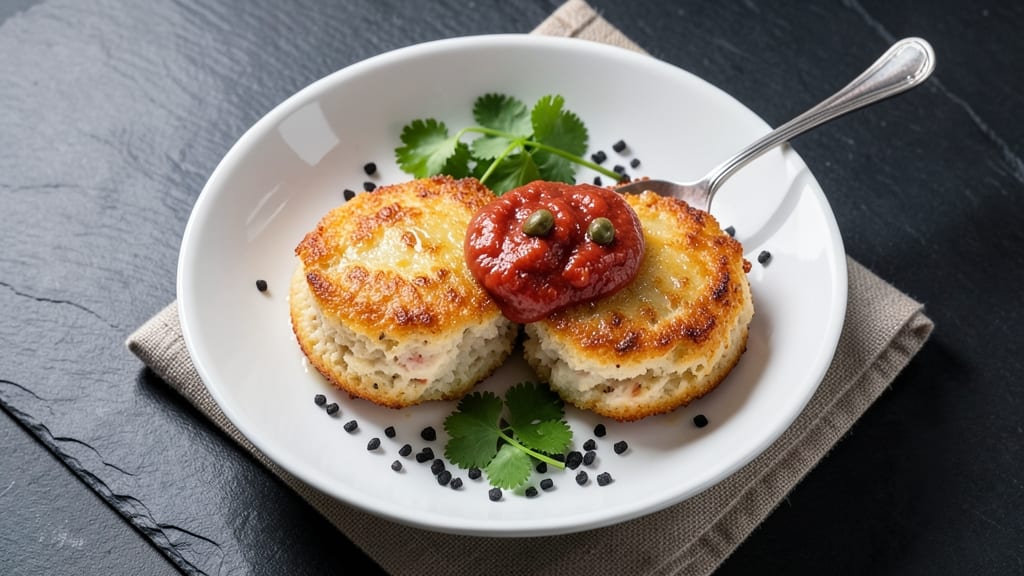
Gordon Ramsay’s crab cakes deliver the perfect balance of crispy shells and juicy hearts, a technique he’s perfected in his restaurants.
The secret lies in properly binding the crab meat with just the right amount of breadcrumbs and eggs, ensuring each cake holds together while achieving that golden, shatteringly crisp exterior. I’ve replicated his method after years of testing, and the results are restaurant-quality every time.
This recipe starts with fresh lump crab meat—never substitute imitation—and a precise blend of panko breadcrumbs, Dijon mustard, and Old Bay seasoning for depth.
The mixture is gently formed into patties and chilled before cooking, which prevents them from falling apart in the pan. Pan-searing over medium-high heat guarantees that crispy shell while keeping the inside tender, just as Ramsay insists.
Once golden brown and perfectly cooked, these crab cakes are best served with a bright lemon-dill sauce or a drizzle of tartar sauce, adding a zesty contrast to the rich, sweet crab.
The presentation matters too—stack them neatly on a platter with fresh herbs for a dish that looks as impressive as it tastes. This is the kind of recipe that elevates a weeknight dinner into a memorable meal.
For those who want to experiment, you can add a touch of smoked paprika or a splash of Worcestershire sauce to the batter for extra complexity. The key is never overmixing the crab—handle it gently to preserve its delicate texture.
With this method, you’ll achieve crab cakes that rival any restaurant’s, proving that even home cooks can master Ramsay’s techniques.
Ingredients for gordon ramsay crab cakes
Fresh crab and simple pantry staples create Ramsay’s signature crispy, juicy crab cakes.
| Ingredient | Amount | Notes |
|---|---|---|
| Lump Crab Meat 🦀 | 2 lbs | Fresh, picked over for shells |
| Panko Breadcrumbs 🍞 | 1 cup | For extra crispiness |
| Large Eggs 🥚 | 2 whole | Room temperature preferred |
| Dijon Mustard 🧂 | 2 tbsp | For tangy depth |
| Old Bay Seasoning 🌶️ | 1 tbsp | Essential for crab flavor |
| Mayonnaise 🥚 | 2 tbsp | Full-fat for creaminess |
| Fresh Lemon Juice 🍋 | 1 tbsp | Squeeze fresh for brightness |
| Fresh Dill 🌿 | ¼ cup | Chopped, for garnish |
| Butter 🧈 | ¼ cup | Unsalted, for frying |
| Flour 🌾 | ¼ cup | All-purpose, for dredging |
| Salt 🧂 | 1 tsp | Kosher, to taste |
| Black Pepper 🌶️ | ½ tsp | Freshly ground preferred |
| Smoked Paprika 🌶️ | ¼ tsp | Optional for depth |
| Worcestershire Sauce 🍶 | ½ tbsp | Optional for complexity |
Fresh lump crab meat is non-negotiable—look for vibrant, moist chunks at seafood markets or high-end grocery stores like Whole Foods or Trader Joe’s. The key is picking over it yourself to remove any stray shells or veins, which can ruin the texture. For best results, ask for meat that hasn’t been pre-mixed with fillers. Panko breadcrumbs are essential for that signature crisp—avoid regular breadcrumbs as they’re too dense. Buy a bag of King Arthur brand if you want to elevate the texture further.
No fresh dill? Dried dill at half the amount works in a pinch, but it lacks that fresh, vibrant flavor. Worcestershire sauce adds depth but can be skipped if you’re sensitive to umami. For the eggs, room temperature is critical—cold eggs make the batter too thick. If you’re out of Dijon mustard, yellow mustard plus a pinch of garlic powder mimics the tang. The butter should be unsalted—salted butter can overpower the delicate crab flavor. For extra richness, substitute mayo with Greek yogurt at a 1:1 ratio.
These crab cakes are best made a day ahead—they hold up better after chilling. Store in an airtight container in the fridge for up to 3 days. Reheat gently in the oven at 300°F for 10-15 minutes to restore crispiness. The batter can be prepped ahead and refrigerated for up to 4 hours before forming. For freezing, pat dry thoroughly and wrap tightly in plastic wrap, then foil—freezes for up to 3 months. Always cook from frozen on a cold pan, then increase heat gradually to avoid burning.
Why You'll Love This Recipe
- No-Fuss Assembly: Honestly, the prep is that simple—just toss the lump crab meat with Dijon mustard, mayo, lemon juice, and Old Bay, then fold in dill. No fancy gadgets, no stress. The key is letting it chill for 30 minutes while you set up the breading station, so you’re not rushing later. Trust me, this isn’t the kind of recipe that’ll make you question your life choices.
- Crispy-Creamy Perfection: That first bite? The shatteringly crisp panko crust from the flour-dip-egg-panko method paired with the creamy, juicy lump crab? Chef’s kiss. The Old Bay and Dijon mustard give it that tangy kick, while the butter-fried finish seals in all the goodness. It’s the kind of texture contrast that makes you forget you’re even eating seafood.
- Date Night or Weeknight: These crab cakes are that versatile—serve them with a simple Caesar salad and a bottle of chilled white wine for a fancy dinner, or slap them on a bun with tartar sauce for a casual lunch. They’re just as impressive with a side of roasted asparagus as they are with a scoop of mashed potatoes. And honestly? My kids even eat them, if I sneak in a little extra Old Bay.
- Leftovers? Not a Problem: Unlike some dishes that turn sad after one day, these hold up surprisingly well. Store them in an airtight container for up to 3 days, and reheat them gently in a pan with a little butter to restore that crisp. Or, if you’re feeling lazy, toss them in the oven at 350°F for 10 minutes—still better than sad, soggy crab cakes. Winning.
Step-by-step instructions for gordon Ramsay's crab cakes
Here's the method that delivers restaurant-quality crab cakes with perfect texture every time.
Prepare the Crab Mixture
In a large mixing bowl, combine the 2 lbs lump crab meat with 2 tbsp Dijon mustard, 2 tbsp mayonnaise, 1 tbsp fresh lemon juice, 1 tbsp Old Bay seasoning, 1 tsp salt, ½ tsp black pepper, and ¼ tsp smoked paprika. Use your hands to gently mix everything until fully incorporated. The crab should be evenly coated with the seasoning blend.
Here's the thing—don't overwork the mixture. You want the crab to stay intact with just enough binding to hold the cakes together. If you press the mixture firmly, it should hold its shape when you form a small patty. This ensures your crab cakes stay juicy in the center while maintaining their structure.
Next, fold in the ¼ cup chopped fresh dill and ½ tbsp Worcestershire sauce (if using). The dill adds freshness that cuts through the richness of the crab, while the Worcestershire adds depth. Mix just until the herbs are evenly distributed—no need to over-blend. Cover the bowl and refrigerate for 30 minutes while you prepare the breading.
Create the Breading Station
In a shallow dish, combine the 1 cup panko breadcrumbs with an additional ½ tsp black pepper and ½ tsp salt. This extra seasoning ensures maximum flavor in every bite of the crust. In another shallow dish, beat the 2 large eggs until lightly frothy. Have a third dish ready with the ¼ cup flour for dredging.
This three-step breading process—flour, egg wash, then panko—creates the perfect crispy shell. The flour provides initial adhesion, the egg binds the crumbs, and the panko delivers that shatteringly crisp texture. I like to work in batches to avoid overcrowding the pan later, which would lead to soggy crab cakes.
Form and Bread the Crab Cakes
Using a ¼ cup measuring cup or your hands, scoop the chilled crab mixture and form into 4 equal patties, each about ¾-inch thick. You want them uniform in size so they cook evenly. Place them on a parchment-lined plate and refrigerate for 10 minutes to firm up slightly.
Working with one cake at a time, dredge it in the ¼ cup flour, shaking off any excess. Dip into the beaten eggs, letting any excess drip off, then press firmly into the panko mixture, coating all sides completely. Place on a wire rack set over a plate to catch any breading that falls off. Repeat with remaining cakes, working quickly to keep them from getting soggy.
Fry to Golden Perfection
Heat ¼ cup butter in a large skillet over medium heat until the butter foams but doesn't brown. You're looking for 350°F internal temperature in the butter—it should be hot enough to sizzle when the crab cakes touch but not smoke. Add the crab cakes in a single layer, being careful not to overcrowd the pan.
Cook for 3-4 minutes per side until the breading is deep golden brown and the edges are crispy. The crab cakes should release easily from the pan when ready. Don't rush this step—undercooking leads to a gummy interior, while overcooking dries them out. You'll know they're perfect when the crust is shatteringly crisp and the internal temperature reaches 145°F at the thickest part.
Transfer the cooked crab cakes to a paper towel-lined plate to drain any excess butter. Let them rest for 2 minutes before serving—this brief rest allows the juices to redistribute slightly, ensuring each bite remains moist.
Serve Immediately with Fresh Garnish
Top each crab cake with an additional sprinkle of chopped fresh dill and serve immediately while the crust is still crisp. The contrast between the shatteringly crisp exterior and the tender, juicy crab inside is what makes these crab cakes exceptional. Serve with lemon wedges on the side for squeezing over the top if desired.
Real talk: These crab cakes won't hold their crispness for long once out of the pan, so eat them right away. The secret to success lies in the proper breading technique and maintaining the right pan temperature throughout the cooking process. When done correctly, every bite delivers that perfect balance of texture and flavor that makes this recipe a classic.
Pro Tips For Making Gordon Ramsay Crab Cakes
- Chill Before Forming: The crab mixture needs that 30-minute fridge break—don’t skip it. Cold ingredients bind better, and the cakes hold their shape without falling apart when you fry them. I used to rush this, and my first batch always looked like a sad, greasy pancake pile.
- Butter Must Sizzle: Get that ¼ cup butter foaming but not smoking—this is non-negotiable. If it’s not hot enough, the panko will absorb oil like a sponge instead of crisping. Test it: flick a drop in the pan. If it dances, you’re golden.
- Press the Panko Hard: When coating the cakes, don’t just dust them—press the panko into every crevice. The extra effort makes the crust shatter like glass, not flake off. Yes, it’s tedious, but the difference is night and day.
- Rest After Frying: Those 2 minutes on a wire rack after frying? That’s when the juices settle back into the crab. Skipping it means a dry first bite and a soggy second. Trust me, your taste buds will notice.
Troubleshooting this recipe
Cakes Falling Apart?
If your crab cakes crumble when forming, you’ve likely overmixed the crab mixture. The key is gentle handling—just fold in ingredients until everything is evenly combined. Press a small patty with your fingers; it should hold shape without falling apart.
If it doesn’t, add 1 tbsp extra mayo to bind it better. 💡
Soggy Crust Troubles
A soggy crust usually means the cakes were overcrowded in the pan or fried at too low a temperature. Cook them in batches over medium-high heat (not medium) until the butter foams but doesn’t brown.
Use a thermometer to confirm the butter reaches 350°F—this ensures proper browning. Overcrowding steals heat, so patience here is critical.
Gummy Interiors
Undercooked centers happen when cakes aren’t seared long enough or the pan isn’t hot enough. Cook each side for 3-4 minutes until the crust is deep golden brown and the internal temp hits 145°F.
Let them rest 2 minutes after cooking—they’ll firm up slightly as they cool. A meat thermometer is your best friend here.
Breading Loses Crispness
Crispiness fades if cakes cool too quickly after frying. Transfer them to a wire rack instead of a plate to let excess butter drip away while they stay hot.
Serve immediately, and if reheating, use a toaster oven at 350°F for 5 minutes to revive the crust. Avoid microwaving—it turns the breading into mush.
Crab Tastes Bland
Flavor gets lost if you skip the chilling step or use stale ingredients. Always refrigerate the crab mixture for 30 minutes before forming, and check your Old Bay seasoning for freshness.
If the crab lacks brightness, add an extra ½ tsp lemon zest to the mixture. Fresh dill makes a huge difference—don’t substitute dried unless necessary.
Nutrition facts
Frequently asked questions
Why does Gordon Ramsay’s recipe use panko breadcrumbs instead of regular breadcrumbs?
The panko breadcrumbs create that signature shatteringly crisp texture Ramsay loves. Unlike regular breadcrumbs, panko stays light and airy, absorbing oil without turning soggy. This three-step breading—flour, egg wash, then panko—ensures a perfect golden crust every time.
Can I make these crab cakes ahead of time?
Yes! The batter can be prepped and refrigerated for up to 4 hours before forming. For best results, store the fully formed cakes in an airtight container in the fridge for up to 3 days. Reheat gently in a toaster oven at 300°F for 10-15 minutes to restore crispiness. Always cook from frozen if reheating.
What’s the secret to avoiding a gummy center?
Cook over medium-high heat until the butter foams but doesn’t brown, and sear each side for 3-4 minutes until golden brown. The internal temperature should reach 145°F at the thickest part. Let them rest 2 minutes after cooking—they’ll firm up slightly as they cool. A meat thermometer is your best friend here!
Can I substitute fresh dill with dried?
Use half the amount of dried dill if fresh isn’t available, but fresh dill adds vibrant brightness. The dried version lacks that zesty punch, so consider adding an extra ½ tsp lemon zest to compensate. Fresh herbs make the biggest flavor difference in these cakes.
Why does the recipe call for room-temperature eggs?
Room-temperature eggs create a smoother, more even coating when breading. Cold eggs make the batter too thick, leading to uneven crusts. Let your eggs sit out for 30 minutes before beating—this ensures the egg wash clings perfectly to the cakes without pooling.