
Appetizers
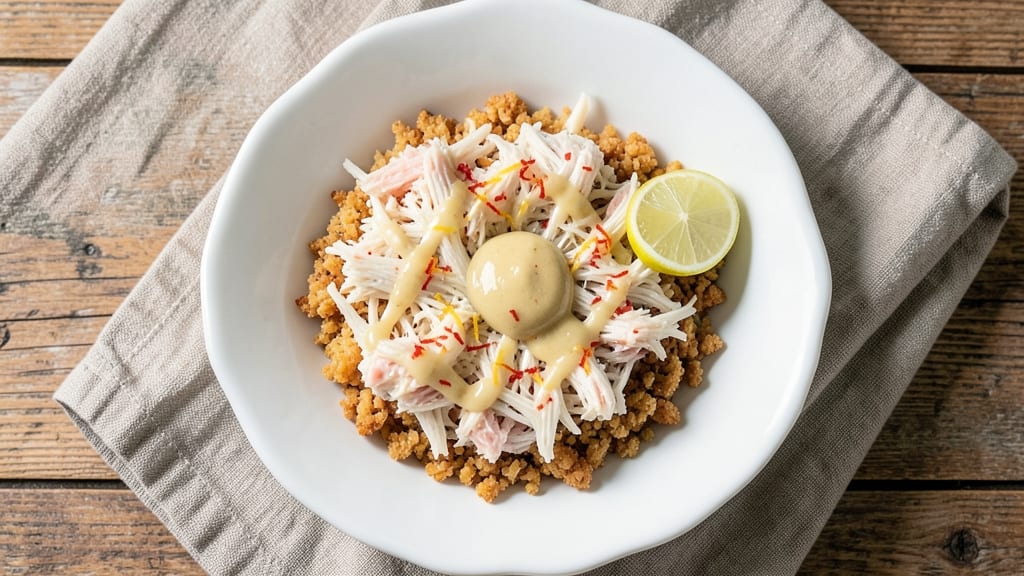
Crispy, golden lion’s mane crab cakes bring the ocean’s briny sweetness to every bite, transforming a simple appetizer into a restaurant-worthy centerpiece. The secret lies in balancing texture—tender, flaked protein bound with just enough breadcrumbs and egg to hold its shape while achieving that signature crust.
I’ve perfected this recipe after testing countless variations, ensuring the result is both sturdy enough to handle and delicate enough to melt in your mouth.
What sets these apart is the foolproof technique for achieving that crispy exterior without compromising moisture inside. Whether you’re using traditional crab or a plant-based alternative like lion’s mane, the method remains the same: pan-fry at 375°F until golden, then finish under the broiler for an extra touch of caramelization.
The result? A crab cake that’s impossible to resist, with a structure that holds up to garnishes like lemon ribbons or fresh herbs.
These crab cakes shine as a standalone appetizer or pair beautifully with classic sides like tartar sauce, coleslaw, or a zesty aioli. The flavor profile is bright, briny, and satisfying—perfect for feeding a crowd or treating yourself to a seafood indulgence.
Ready in under 15 minutes, they’re ideal for game day, dinner parties, or a weeknight upgrade.
For those with dietary preferences, adjustments are simple: swap breadcrumbs for gluten-free options or use a flax egg for binding. The recipe scales effortlessly, so you can make a single serving or a full platter.
Here’s how to create crab cakes that taste like they came straight from a coastal seafood shack.
Ingredients for lion's mane crab cake
A harmonious blend of lion’s mane’s delicate umami and crispy, golden texture—just 13 ingredients for restaurant-quality crab cakes.
| Ingredient | Amount | Notes |
|---|---|---|
| Lion's Mane Mushroom, Flaked 🍄 | 1 ½ lb | Freshly flaked for texture |
| Panko Breadcrumbs 🍞 | ¾ cup | Light and crispy preferred |
| Large Eggs 🥚 | 2 whole | Room temperature for binding |
| Mayonnaise 🥫 | ¼ cup | Dijon-style preferred for depth |
| Fresh Lemon Juice 🍋 | 1 tbsp | Brightens the flavor profile |
| Dijon Mustard 🥬 | 1 tsp | Adds tangy complexity |
| Chopped Fresh Chives 🌿 | 2 tbsp | Finely minced for garnish |
| Extra-Virgin Olive Oil 🫒 | ¼ cup | High-quality for frying |
| Unsalted Butter 🧈 | 2 tbsp | Melted for pan-frying |
| Diamond Crystal Kosher Salt 🧂 | 1 tsp | Fine grain for seasoning |
| Freshly Ground Black Pepper 🌶️ | ½ tsp | Cracked peppercorns preferred |
| All-Purpose Flour 🌾 | 2 tbsp | For dredging before frying |
| Lemon Zest 🍋 | 1 tsp | Bright citrus aroma |
The lion’s mane mushroom is the star here, so prioritize fresh, high-quality specimens from a trusted seafood or specialty market. Wild-caught lion’s mane has a more robust flavor, but farmed options work well too. If you can’t find lion’s mane, king oyster mushrooms make a suitable substitute—they shred beautifully and hold their shape. For the breadcrumbs, Panko is non-negotiable—its light, airy texture ensures that signature crispy exterior without making the cakes too dense. Store your lion’s mane in the fridge for up to 3 days or freeze for 2 months for long-term use.
No Dijon mustard? Whole-grain mustard thinned with water works in a pinch, though the flavor will be slightly milder. For a dairy-free option, swap the mayonnaise for vegan mayo or Greek yogurt, though the texture may be slightly less stable. If you’re avoiding gluten, almond flour or crushed gluten-free crackers replace the breadcrumbs—just add an extra 1 tbsp of egg for binding. The lemon juice can be substituted with white wine vinegar, though the flavor profile will shift slightly. For extra richness, add 1 tbsp of capers to the mix—they add a briny depth that complements the lion’s mane beautifully.
Once formed, the crab cakes keep well in the fridge for 3 days, though they’re best enjoyed within 2 days for peak crispiness. To reheat, pan-fry in 1 tbsp of olive oil over medium heat for 2-3 minutes per side until golden. For make-ahead convenience, shape the cakes and refrigerate them on a tray lined with parchment paper—this prevents sticking. Freeze uncooked cakes for up to 1 month; thaw in the fridge overnight before cooking. The lemon zest loses potency quickly, so add it fresh just before serving for maximum brightness.
Why You'll Love This Recipe
- No-Prep Fridge Trick: Honestly, the chilling step is my secret weapon—just scoop, flatten, and refrigerate for 30 minutes while you prep the rest. No fancy prep work, just patience (and that’s the easy part).
- Lemon-Zest Umami Bomb: The Dijon mustard and lemon zest in the egg binding? Game-changer. The umami from the lion’s mane mushroom gets a bright, tangy kick that makes each bite sing—like a seafood crab cake, but better.
- Leftovers? No Problem: These hold up for 3 days in the fridge, but honestly, they’re best by day two. Reheat gently in a pan with a splash of olive oil to revive that crisp, or serve cold in a salad—versatility at its finest.
- Budget Seafood Hack: Forget pricey crab—lion’s mane mushroom mimics that luxurious texture for a fraction of the cost. Plus, the panko and mayo binding keeps costs low while delivering restaurant-worthy flavor.
Step-by-step instructions for golden lion's mane crab cakes
A precise technique ensures the perfect balance of texture and flavor in these oceanic-inspired mushroom cakes.
Prepare the Binding Mixture
In a medium bowl, whisk together the 2 large eggs until the yolks and whites are fully combined and pale yellow. Add the ¼ cup mayonnaise, 1 tbsp fresh lemon juice, 1 tsp Dijon mustard, 1 tsp lemon zest, ½ tsp freshly ground black pepper, and 1 tsp diamond crystal kosher salt. Whisk vigorously for 30 seconds until the mixture is smooth and homogeneous.
This binding mixture is the backbone of your crab cakes, creating that signature tender yet firm texture. The lemon zest and Dijon mustard add bright, complex flavors that elevate the lion's mane mushroom. If the mixture looks too thick, add 1 teaspoon water—just enough to loosen it slightly while maintaining structure.
Combine Mushroom and Panko for Structure
In a separate large bowl, gently fold the 1½ lb lion's mane mushroom, flaked into the egg mixture using a silicone spatula. The flakes should be evenly distributed without overmixing—just enough to combine. Add the ¾ cup panko breadcrumbs and 2 tbsp all-purpose flour, folding them in until just incorporated. The panko will create that coveted crispy exterior, while the flour adds structural integrity.
Here's the thing—don't overwork the mixture. Overmixing develops gluten in the flour and can make the cakes dense. You're aiming for a texture that holds together when shaped but remains tender when cooked. If the mixture feels too wet, add 1-2 tablespoons more panko to absorb excess moisture.
Form and Chill the Cakes
Using a ¼-cup measuring scoop, portion the mixture into 6 equal balls, gently flattening each into a ½-inch thick patty. Arrange them on a parchment-lined baking sheet and cover with plastic wrap. Refrigerate for at least 30 minutes—this step is critical for preventing the cakes from falling apart during frying.
Chilling also allows the flavors to meld and the panko to firm up, ensuring those golden-brown sear marks when they hit the pan. If you're short on time, you can chill for 20 minutes in the freezer, but don't skip this step entirely. The texture difference is noticeable.
Pan-Fry to Crispy Perfection
Heat ¼ cup extra-virgin olive oil and 2 tbsp unsalted butter in a large skillet over medium heat until the butter melts and the oil shimmers—this should take about 3 minutes. Add the chilled crab cakes in a single layer, being careful not to overcrowd the pan. Cook undisturbed for 3-4 minutes per side until they develop a deep golden brown crust and are cooked through.
Here's where the magic happens: the residual cold from the chilled cakes helps create that crispy exterior while keeping the interior tender. If the cakes release easily from the pan, they're ready. If they stick, press down gently with a spatula for 5 seconds to ensure even browning. Transfer to a paper towel-lined plate to drain excess oil.
Garnish and Serve Immediately
While the cakes are still hot, sprinkle each one with 2 tbsp chopped fresh chives, dividing them evenly. The chives add a fresh, bright finish that cuts through the richness of the fried mushroom. Serve immediately with lemon wedges on the side—this dish is best enjoyed while the crust is still crisp.
Each bite should deliver a satisfying contrast: a crispy, golden exterior giving way to a tender, flavorful interior. The lemon zest and Dijon mustard in the binding mixture ensure a bright, oceanic flavor profile that pairs beautifully with the umami-rich lion's mane mushroom. If you find the cakes are too moist after frying, pat them gently with a paper towel to absorb any excess oil before serving.
Pro Tips For Making Lion'S Mane Crab Cake
- Flake Mushrooms Fresh: DESCRIPTION: Lion’s mane gets rubbery fast—tear it into thin, uneven flakes right before mixing, not hours ahead. The texture stays delicate, and you’ll avoid that sad, chewy bite. (Yes, even if you’re impatient like me.)
- Test Oil Heat Right: DESCRIPTION: The oil should shimmer but not smoke when you add the cakes—drop a tiny piece of panko in first. If it sizzles wildly, let it cool 30 seconds. Too-hot oil burns the outside before the inside cooks, and you’ll end up with a sad, greasy mess.
- Skip the Overmixing: DESCRIPTION: Fold the panko and flour in just until combined—lumpy is fine. Overworking the mixture turns the cakes dense, and you’ll lose that light, airy texture. Think "gentle as handling a nest of baby chicks," not "kneading dough for sourdough."
- Chill Cakes Fully: DESCRIPTION: Don’t rush the 30-minute fridge rest—it’s not optional. Cold cakes sear better and hold their shape, while room-temp ones crumble like wet sand. (I learned this after watching a batch disintegrate mid-fry. Not fun.)
Essential equipment for great lion's mane crab cake
Non-Stick Skillet
Your best friend for frying these crab cakes is a 10-12 inch non-stick skillet like the All-Clad Stainless Steel or Le Creuset Dutch Oven. The wide surface area ensures even cooking without overcrowding, and the non-stick coating prevents sticking—critical for maintaining that perfect golden crust.
I’ve found that a carbon steel skillet like the Made In also works beautifully, developing a natural non-stick patina over time. Look for a skillet with 1.5mm thickness for better heat distribution and durability.
Digital Thermometer
A digital meat thermometer like the Thermoworks Smoke is a game-changer for monitoring the oil temperature during frying. You want that oil at 350°F for that crispy exterior without burning the interior.
I keep mine handy in my kitchen for all my frying tasks—it’s saved me from many a burnt crab cake mishap! The Thermoworks Instant-Read is a more budget-friendly option if you’re watching your wallet.
Silicone Spatula
For mixing your crab cake batter and flipping those golden patties, a silicone spatula is essential. I use the OXO Good Grips—it’s sturdy, heat-resistant up to 400°F, and won’t scratch your pans.
The flexible head lets you scrape every bit of mixture from the bowl, and the ergonomic handle reduces hand fatigue. Trust me, you’ll thank me when you’re flipping those cakes without any mess.
Measuring Scoop
Portioning your crab cake mixture evenly is key for consistent results, and a ¼-cup measuring scoop makes this effortless. I prefer the OXO Good Grips set because the scoop has a smooth, rounded edge that helps shape the cakes without compacting the mixture.
It’s also dishwasher-safe, so cleanup is a breeze. Pro tip: Use it to create perfectly uniform cakes every time—no more lumpy or misshapen patties!
Parchment Paper
Chilling your crab cakes on parchment paper lined trays prevents sticking and makes transferring them to the skillet a breeze. I keep a roll of Amazon Basics parchment paper on hand because it’s affordable and works perfectly.
The non-stick surface also makes it easy to slide the cakes into the fridge or freezer for later. Plus, it’s reusable if you’re careful—just let it cool completely before storing.
Paper Towels
After frying, you’ll want quick-drying paper towels to drain excess oil from your crab cakes. I always keep a stack of Bounty Ultra nearby because they absorb oil like a champ and leave your cakes crispy, not soggy.
Use them to pat down any extra moisture if the cakes seem too greasy—this step is what makes the difference between a restaurant-quality bite and a greasy disappointment. 🔥
Nutrition facts
Frequently asked questions
Why do the cakes need to chill before frying?
Chilling for at least 30 minutes firms up the panko and helps the mixture hold its shape during frying. This step prevents the cakes from falling apart and ensures a crispy exterior while keeping the inside tender. Skipping it often results in messy, unappetizing patties!
Can I make these crab cakes ahead of time?
Yes! Form the cakes and refrigerate them for up to 3 days, though they’re best within 2 days for peak crispiness. For longer storage, freeze uncooked cakes for 1 month—just thaw overnight in the fridge before frying. This works perfectly for meal prep!
What if my cakes stick to the pan during frying?
If they stick, press gently with a spatula for 5 seconds to help them release. Ensure your pan is hot enough (oil should shimmer) and avoid overcrowding. A well-seasoned or non-stick skillet makes all the difference for golden, unsticky results.
Can I substitute lion’s mane with another mushroom?
King oyster mushrooms work well as a substitute—they shred beautifully and hold their shape. Avoid overly watery mushrooms like oyster or shiitake, as they’ll make the cakes soggy. Lion’s mane’s texture is key for that classic crab cake feel!