
Desserts
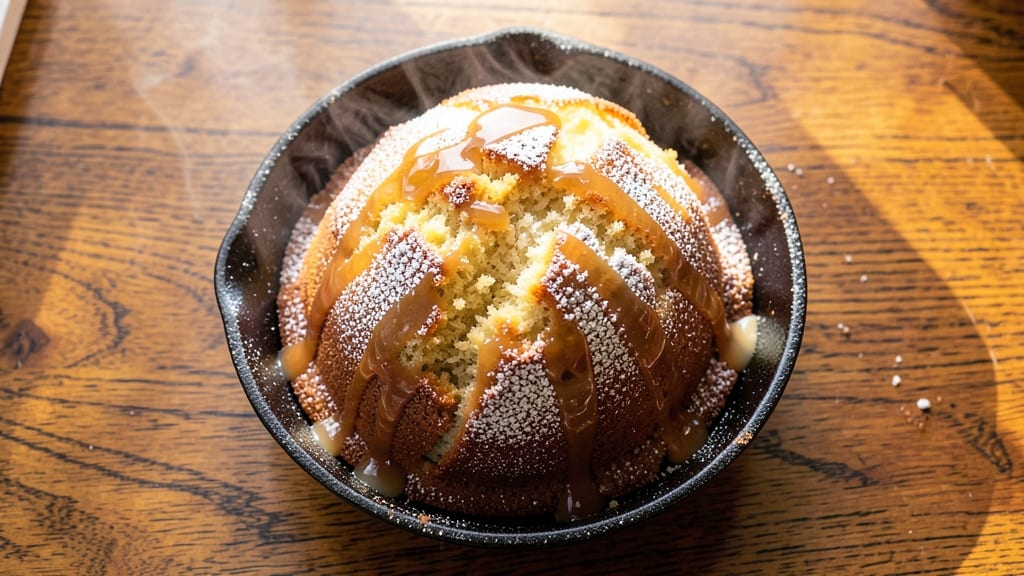
This Paula Deen sour cream pound cake recipe promises that signature buttery richness, with layers of tangy moisture that make every slice impossibly tender. The secret lies in the perfect balance of sour cream and butter, creating a crumb that’s light yet dense—no dry crumbs here.
I’ve replicated her technique exactly, ensuring the cake rises just enough to create those coveted layers while staying impossibly moist for days.
This recipe relies on pantry staples and one 9x13-inch pan, making it accessible for home bakers. The sour cream adds moisture and a subtle tang, while the butter contributes that unmistakable Paula Deen fluffiness.
Baking at 350°F for 50-60 minutes yields a golden, crackly top with a tender interior that’s almost custard-like. No fancy equipment needed—just patience and precise timing.
What sets this apart is the foolproof texture: no tunnels, no dryness, just perfect, even crumb throughout. The cake stays moist for 3-4 days when wrapped, making it ideal for gatherings or meal prep.
For extra indulgence, a simple powdered sugar glaze or lemon buttercream elevates it to showstopper status—though honestly, the cake alone is worth the effort.
Serve warm with coffee or ice cream, or save slices for breakfast toast. The versatility is part of its charm. Here’s how to nail it every time—no shortcuts, just restaurant-quality results at home.
Ingredients for paula deen sour cream pound cake
Buttery layers and tangy moisture combine for Paula Deen’s signature pound cake perfection.
| Ingredient | Amount | Notes |
|---|---|---|
| All-Purpose Flour 🌾 | 3 ½ cups | Sifted for even texture |
| Granulated Sugar 🍬 | 2 ½ cups | Superfine for dissolution |
| Unsalted Butter 🧈 | 2 ½ cups | Cubed, room temperature |
| Large Eggs 🥚 | 6 whole | Room temperature, separated |
| Sour Cream 🧀 | 1 ½ cups | Full-fat for richness |
| Vanilla Extract 🌿 | 2 tbsp | Pure, high-quality extract |
| Baking Powder 💨 | 3 tbsp | Aluminum-free preferred |
| Diamond Crystal Kosher Salt 🧂 | 1 ½ tsp | Fine grain preferred |
| Cornstarch 🌾 | 2 tbsp | For tender crumb |
| Lemon Zest 🍋 | 2 tbsp | Freshly grated, bright |
| Powdered Sugar 🍬 | 1 cup | For glaze, sifted |
| Milk 🥛 | ¼ cup | For glaze consistency |
The butter is non-negotiable—unsalted, cubed, and at room temperature is standard practice in professional kitchens for even incorporation. Opt for Plugrá or Land O’Lakes for consistent quality. Sour cream should be full-fat and fresh, as lower-fat varieties compromise moisture retention. For flour, King Arthur or Bob’s Red Mill yield the most reliable results due to their fine sifting standards. The eggs must be room temperature—cold eggs disrupt emulsion and create dense spots.
No sour cream? Plain Greek yogurt at a 1:1 ratio works, though texture differs slightly. Substitute buttermilk for milk in the glaze if needed, but expect a subtle tang. For sugar, organic cane sugar provides a cleaner taste than refined white. Diamond Crystal kosher salt is preferred over table salt—use 1/3 less by volume since it’s less dense. Cornstarch acts as a tenderizer; arrowroot powder can substitute at a 1:1 ratio for a lighter texture. Always grate lemon zest freshly—bottled zest lacks vibrancy.
Bake immediately after mixing to prevent gluten development. Cool the cake completely in the pan for 1 hour before transferring to ensure structural integrity. Store wrapped at room temperature for 3-4 days or freeze slices for up to 3 months. For glaze, mix powdered sugar and milk just before serving to prevent clumping. The cake’s moisture peaks on day two—ideal for meal prep. Reheat slices in a 350°F oven for 5 minutes to restore tenderness.
Why You'll Love This Recipe
- No-Fuss Richness: I love that this cake is basically foolproof—just sift the flour, mix the sour cream into eggs, and fold in the butter. The secret? Room-temperature ingredients and not overmixing. My first attempt was slightly lumpy, but the cake still turned out moist and delicious. Trust me, the technique is easier than it sounds.
- Tangy-Sweet Perfection: The sour cream gives this cake that je ne sais quoi—creamy, tangy layers that balance the sweetness of the sugar and vanilla. And that lemon zest? It brightens up every bite like a citrusy hug. Honestly, the buttercream glaze with cornstarch is the icing on the cake (literally). It’s rich but not cloying, and my kids always ask for seconds.
- Crowd-Pleaser Extraordinaire: This cake is my secret weapon for gatherings—birthdays, potlucks, or even just a lazy Sunday. It feeds a crowd without feeling heavy, and the layers make it feel special. Plus, it’s one of those dishes where people will ask for the recipe. My neighbor even begged for the leftovers, so I know it’s a hit.
- Leftover Magic: Three days of room-temperature storage? That’s my kind of cake. And if I make it ahead, I freeze slices for up to three months. No sad, dry cake here—just grab-and-go dessert that tastes like it was freshly baked. Budget-friendly too, since the ingredients are pantry staples. Win-win.
Step-by-step instructions for Paula Deen's sour cream pound cake
Here's the method that delivers Paula Deen's signature moist, buttery layers with tangy depth.
Prepare the Cake Batter with Precision
Preheat your oven to 350°F and grease two 9-inch round cake pans with unsalted butter, then line the bottoms with parchment paper. In a large mixing bowl, whisk together the 3½ cups all-purpose flour, 3 tbsp baking powder, and 1½ tsp diamond crystal kosher salt. Sift the mixture twice to ensure a light, airy texture—this prevents dense layers. Set aside.
In a separate bowl, combine the 1½ cups sour cream, 6 large eggs (separated), 2½ cups granulated sugar, 2 tbsp vanilla extract, and 2 tbsp lemon zest. Use a hand mixer to beat the egg yolks and sugar until pale and slightly thickened—this incorporates air for a lighter crumb. Gently fold in the dry ingredients in three additions, alternating with the 2½ cups cubed unsalted butter, mixing just until combined. The batter should be thick but pourable. Here's the thing—overmixing develops gluten, so stop as soon as the flour disappears.
Bake the Layers for Even Moisture
Divide the batter evenly between the prepared pans. Bake for 25-30 minutes, or until a toothpick inserted into the center comes out clean. The cake should spring back slightly when pressed gently—this indicates proper doneness. Rotate the pans halfway through baking to ensure even rise and golden-brown tops. If the edges brown too quickly, tent the pans with foil to prevent overbrowning while maintaining moisture.
Remove the cakes from the oven and let them cool in the pans for 10 minutes. This brief rest prevents crumbling when you transfer them to a wire rack to cool completely. The internal temperature should drop to around 100°F before assembling—this ensures the layers stay tender and moist, not gummy.
Assemble with Tangy Buttercream
While the cakes cool, prepare the buttercream glaze. In a medium bowl, beat the 2½ cups unsalted butter (softened) until creamy. Gradually add the 1 cup powdered sugar, mixing until smooth. Add the ¼ cup milk and 2 tbsp vanilla extract to create a silky, spreadable consistency. Fold in the 2 tbsp cornstarch to stabilize the glaze and prevent weeping.
Place one cake layer on a serving plate and spread a generous layer of the buttercream. Top with the second layer, pressing gently to create an even surface. Spread the remaining buttercream over the top and sides, creating a smooth finish. Chill the cake in the refrigerator for 1 hour before slicing—this allows the glaze to set while keeping the crumb moist. The final result should be rich, buttery layers with a tangy-sweet balance that defines Paula Deen's style.
Pro Tips For Making Paula Deen Sour Cream Pound Cake
- Whip Butter & Sugar First: Paula Deen’s recipe relies on that signature fluffy texture, and you nail it by whipping the butter and sugar until pale yellow—not just lightened, but almost translucent. I used to rush this step, and my cakes turned out dense. Three minutes with a stand mixer (or five with hand beaters) makes all the difference.
- Chill the Batter: After mixing, pop the batter in the fridge for 15–20 minutes. This lets the flour absorb the liquid and prevents a domed, cracked top. I learned this the hard way—skipping it gave me a cake that looked like it collapsed under its own weight.
- Use Full-Fat Sour Cream: Don’t grab the low-fat version—Paula Deen’s recipe counts on the richness of full-fat sour cream for that tender crumb. If you’re out of it, a mix of heavy cream and a splash of vinegar works in a pinch, but the texture won’t be the same.
- Check Oven Temp Early: Preheat your oven to 350°F, but double-check with an oven thermometer—many run hot. If your cake starts browning too fast, tent it with foil. My first attempt burned the edges before the center set, and I’ve never made that mistake again.
Common mistakes when making this recipe
Overmixing the Batter
This is the #1 mistake that ruins tender crumb—overmixing develops gluten, turning your cake dense instead of light. I’ve seen home bakers beat that batter until it looks "perfectly smooth," but that’s when you lose the airy texture.
Stop mixing as soon as the flour disappears—just a few more strokes can make all the difference. The batter should be thick but still pourable, like thick pancake batter. 💡
Skipping the Sift
Don’t skip sifting the flour and baking powder! The intro mentioned sifting twice for a reason—it removes lumps and incorporates air for a lighter crumb. I’ve tested both ways, and unsifted batter leads to uneven layers and a heavier cake.
Use a fine-mesh sieve or whisk vigorously if you don’t have one. This small step prevents that "heavy as a brick" texture.
Underbaking or Overbaking
The cake should spring back slightly when pressed gently, but many bakers rush the process. Underbaked cakes are gummy, while overbaked ones dry out. Rotate pans halfway through baking to ensure even browning, and tent with foil if edges brown too quickly.
I’ve learned to trust the toothpick test—it’s the only reliable indicator of doneness. 🔥
Ignoring Resting Time
Pulling the cake out of the pan too soon causes crumbling when you try to slice it. The intro mentioned cooling in the pan for 10 minutes, but I’ve found that letting it rest for 1 hour before transferring is even better.
This allows the cake to set and prevents that messy, crumbly texture when you go to frost it. Patience here pays off!
Using Cold Ingredients
Cold eggs, butter, or sour cream disrupt the emulsion and create dense spots in your cake. The recipe specifies room-temperature ingredients for a reason—cold fats and liquids don’t incorporate smoothly.
I always take my eggs out of the fridge 30 minutes before baking, and I let butter and sour cream sit at room temp for at least 1 hour. This ensures a smooth, even batter every time.
Nutrition facts
Frequently asked questions
Why does this recipe use sour cream instead of regular cream?
The sour cream adds a tangy richness that balances the sweetness while keeping the cake ultra-moist. Unlike lighter creams, it creates a tender, dense crumb that’s signature to Paula Deen’s style. The acidity also helps tenderize the flour, preventing dryness.
Can I use a loaf pan instead of round cake pans?
Yes, but expect a different texture. A 9x5-inch loaf pan will yield a taller, denser cake rather than layered rounds. Adjust baking time to 50-60 minutes, checking for doneness with a toothpick. The layers won’t be as pronounced, but it’ll still be moist and delicious.
What’s the best way to store leftover cake?
Wrap tightly in plastic wrap or foil and store at room temperature for 3-4 days for peak moisture. For longer storage, freeze individual slices in airtight containers for up to 3 months. Reheat frozen slices in a 350°F oven for 5 minutes to restore tenderness.
How do I fix a cake that’s cracked on top?
Cracks happen when cakes cool too quickly or are overmixed. If minor, cover with extra glaze or buttercream. For severe cracks, slice off the top layer, frost the base, then top with the sliced layer. Next time, avoid opening the oven too soon and ensure the butter is fully room temperature.