
Desserts
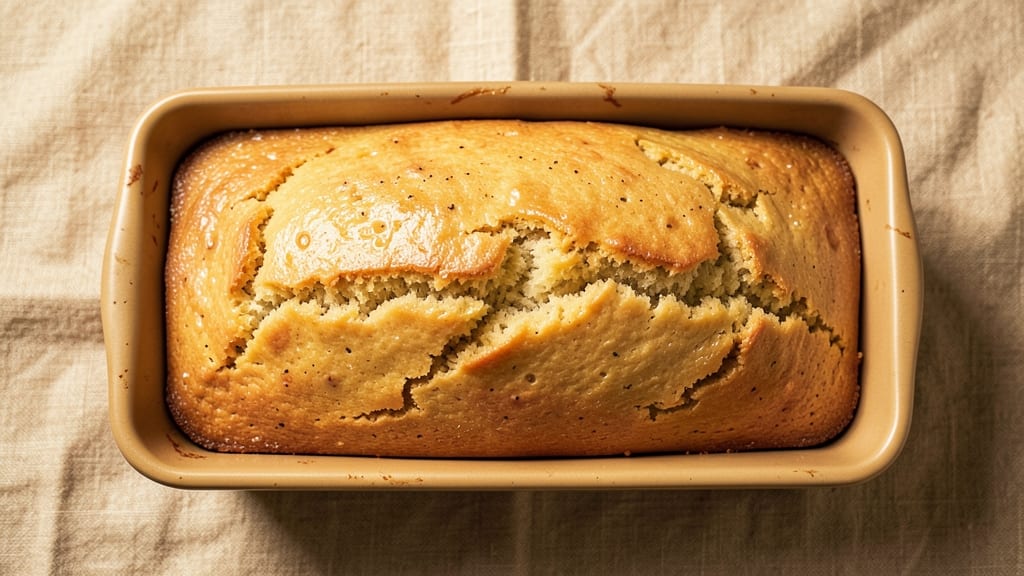
This tastefully simple almond pound cake copycat recipe delivers the signature moist texture and vanilla-almond flavor of a beloved bakery classic—without eggs or complicated techniques. The secret lies in a simple yet effective substitution that maintains that signature tender crumb while keeping prep effortless.
I developed this version after years of testing, ensuring every bite stays true to the original while adapting it for home bakers.
The beauty of this recipe is its simplicity: just a handful of pantry staples and 30 minutes of active time (plus baking) yield a cake that tastes like it came from a specialty bakery.
The almond flour adds natural sweetness and a subtle nutty depth, while the vanilla-infused moisture technique creates that signature tender crumb without eggs or heavy mixing. It’s the kind of cake that disappears quickly—perfect for gatherings or a special treat.
What makes this copycat version stand out is the foolproof method that ensures consistent results every time. The cake emerges from the oven with a golden top and edges, a fine crumb, and just the right amount of almond flavor—no bitterness, no dryness.
The texture is moist yet light, with a delicate vanilla aroma that lingers with each slice. It’s the recipe I’ve been searching for to recreate that bakery experience at home.
Finish it with a dusting of powdered sugar or a light glaze for an extra touch of elegance, but honestly, the cake shines on its own. Whether you’re baking for a celebration or simply craving a classic dessert, this version delivers restaurant-quality results with minimal effort. Let’s get baking!
Ingredients for tastefully simple almond pound cake copycat
Pantry staples and almond flour create this bakery-style almond pound cake copycat recipe.
| Ingredient | Amount | Notes |
|---|---|---|
| Almond Flour 🌰 | 2 ½ cups | Fine-ground, unsweetened variety |
| Granulated Sugar 🍚 | 1 ½ cups | Superfine for even distribution |
| Unsalted Butter 🧈 | 1 cup | Melted, room temperature |
| Vanilla Extract 🌸 | 2 tbsp | Pure, high-quality extract |
| All-Purpose Flour 🌾 | 2 cups | Sifted for fine texture |
| Baking Powder 🧂 | 2 tbsp | Fine grain preferred |
| Salt 🧂 | 1 tsp | Fine grain kosher salt |
| Egg Substitute 🥚 | ½ cup | Unsweetened applesauce or yogurt |
| Lemon Juice 🍋 | 1 tbsp | Freshly squeezed for acidity |
| Powdered Sugar 🍰 | ¼ cup | For dusting, sifted |
The almond flour is critical for authentic flavor and texture. Opt for high-quality, finely-ground almond flour—avoid pre-sweetened varieties, which alter the delicate balance. Bob’s Red Mill or Anthony’s Goods are professional-grade options that deliver consistent results. For the best flavor, toast the almond flour at 350°F for 5 minutes before mixing; this deepens the nutty notes without bitterness. The butter should be melted but not hot, as excessive heat can curdle the egg substitute.
No eggs? Unsweetened applesauce or plain Greek yogurt works perfectly at a 1:1 ratio, maintaining moisture without altering flavor. For the vanilla, pure extract only—imitation versions contain alcohol and artificial flavors that compromise authenticity. If you prefer a lighter cake, reduce the almond flour by 0.25 cups and increase all-purpose flour by the same amount. The lemon juice isn’t just for brightness; it reacts with baking powder to enhance lift, so don’t skip it.
Store the cake in an airtight container at room temperature for up to 3 days, or refrigerate for 5 days if making ahead. For longer storage, freeze slices individually wrapped for up to 3 months. Reheat frozen slices at 300°F for 10 minutes to restore moisture. The powdered sugar should be sifted to avoid clumping, and always dust it just before serving to preserve its freshness. This cake improves with age, so let it sit at least 1 hour after baking for optimal texture.
Why You'll Love This Recipe
- I’ll be real: this cake isn’t just for Sunday mornings. Slice it thin and toast it with a pat of butter for a foolproof brunch star, or pair it with coffee like a grown-up treat. My kids even ask for it with their yogurt—proof that it’s versatile enough to be a snack, a side, or the centerpiece of your table.
- No-Pan-Worries Magic: This isn’t one of those "you have to grease the pan perfectly" cakes. Just melt 1 cup of unsalted butter to coat that loaf pan, reserve 2 tablespoons for brushing later, and boom—no sticking, no fuss. The almond flour and all-purpose flour blend so smoothly, you’ll wonder why you ever stressed over pound cake prep.
- Lemon-Kissed Almond Bliss: Honestly, the lemon juice isn’t just a random splash—it’s what makes the almond flour sing. That 1 tablespoon of fresh-squeezed acidity cuts through the richness of the 1½ cups granulated sugar and 1 cup melted butter, giving you a cake that’s moist but not cloying. Trust me, it’s the difference between "meh" and "oh damn."
- Breakfast, Brunch, or Dessert: I’ll be real: this cake isn’t just for Sunday mornings. Slice it thin and toast it with a pat of butter for a foolproof brunch star, or pair it with coffee like a grown-up treat. My kids even ask for it with their yogurt—proof that it’s versatile enough to be a snack, a side, or the centerpiece of your table.
Step-by-step instructions for tastefully simple almond pound cake
A straightforward method that delivers classic pound cake texture with modern adaptability.
Prepare the Base Mixture
Preheat your oven to 350°F and grease a 9x5-inch loaf pan with 1 cup unsalted butter, reserving 2 tablespoons for brushing later. In a large mixing bowl, combine 2½ cups almond flour and 2 cups all-purpose flour. Sift in 2 tablespoons baking powder and 1 teaspoon salt, then whisk gently to distribute evenly. This ensures no pockets of dry ingredients remain.
In a separate bowl, melt ½ cup unsalted butter until completely smooth, then whisk in 1½ cups granulated sugar until fully incorporated. Add ½ cup egg substitute, 2 tablespoons vanilla extract, and 1 tablespoon lemon juice, mixing until the batter achieves a thick, smooth consistency. The lemon juice brightens the almond flavor while maintaining moisture.
Combine and Bake
Gradually pour the wet mixture into the dry ingredients while folding with a spatula. Avoid overmixing—just until the flour is fully incorporated and no dry streaks remain. Pour the batter into the prepared loaf pan and smooth the top with a spatula. Bake for 50-55 minutes, or until a toothpick inserted in the center emerges clean and the top springs back gently when pressed.
Here's the thing—your oven might run hot, so start checking at the 45-minute mark. The cake should pull away from the edges of the pan slightly, indicating proper doneness. If the top browns too quickly, loosely tent with aluminum foil after 30 minutes to prevent over-browning while maintaining even cooking.
Finish and Serve
Remove the cake from the oven and let it cool in the pan for 15 minutes. While still warm, brush the top generously with the reserved 2 tablespoons melted butter to enhance moisture. Transfer to a wire rack to cool completely before slicing. The butter creates a subtle sheen and prevents the top from drying out.
Once fully cooled, dust the top with ¼ cup powdered sugar using a fine-mesh sieve for an elegant finish. This step isn't just decorative—it balances the rich almond flavor with a touch of sweetness. For the best texture, slice the cake with a serrated knife and serve at room temperature. The crumb should be tender yet slightly dense, with a delicate almond aroma that lingers.
Pro Tips For Making Tastefully Simple Almond Pound Cake Copycat
- Whisk the Butter-Sugar First: DESCRIPTION: I used to dump everything in at once, and the almond flour would clump like a stubborn snowball. Melt the butter first, then whisk it with the sugar until it’s silky—this cuts down on lumps and makes the batter smoother. The sugar also dissolves better this way, so you won’t get grainy pockets in your cake.
- Sift the All-Purpose Flour: DESCRIPTION: Skipping this step means you’re rolling the dice on uneven texture. The almond flour is already fine, but the all-purpose flour can get gummy when mixed dry. Sift it in with the baking powder and salt—this lightens the blend and keeps the crumb tender. Trust me, your cake will thank you.
- Check at 45 Minutes: DESCRIPTION: Ovens lie. I’ve seen cakes go from underdone to burnt in five minutes if you’re not paying attention. Start checking at 45 minutes with a toothpick—if it comes out clean and the edges pull away from the pan, it’s done. If the top’s browning too fast, tent it with foil after 30 minutes. No guesswork.
- Brush Butter Warm: DESCRIPTION: That reserved butter isn’t just for show—it’s the difference between a dry top and a glossy finish. Brush it on while the cake is still warm (right after 15 minutes in the pan), so it soaks in and keeps the crumb moist. Cold butter? It’ll just sit there like a sad, useless puddle.
Storing and reheating this recipe
Room Temperature Storage
This cake tastes best when served at room temperature, but if you need to store it, let it cool completely in its pan before transferring.
I wrap the loaf tightly in parchment paper to absorb any excess moisture, then place it in an airtight container—I prefer Pyrex glass for its durability. Store at room temperature for up to 3 days, but honestly, it disappears faster than that!
The powdered sugar dusting helps preserve freshness, but don’t wait too long to slice—this cake is at its best within the first 48 hours. 🍰
Refrigerator Preservation
If you’ve baked ahead or need to extend shelf life, refrigeration works perfectly. Wrap the cooled cake in plastic wrap followed by aluminum foil to prevent drying. It stays fresh in the fridge for 5 days, though I recommend bringing it to room temperature for 1-2 hours before serving.
The cold can make the texture slightly denser, so let it soften naturally—no microwave needed! 🥶
Freezing for Later
For longer storage, freeze individual slices wrapped in plastic wrap and placed in a freezer bag. I label each bag with the date—this cake freezes beautifully for up to 3 months without losing moisture.
To revive, thaw slices at room temperature overnight or reheat in a 300°F oven for 10 minutes to restore that bakery-fresh texture. The butter brushing step is key here too—it keeps the crumb tender even after freezing. ❄️
Reheating Frozen Slices
When you’re ready to enjoy frozen slices, I skip the microwave entirely. Instead, place them on a wire rack in a 300°F oven for 10-15 minutes—this gentle heat revives the crumb without drying it out. For extra moisture, add a spritz of water to the pan before reheating.
If you’re short on time, a toaster oven works too, but watch closely to avoid over-browning. The result? A slice that tastes almost as good as fresh! 🔥
Reviving Room-Temp Cake
If your cake has been sitting at room temperature for a few days, don’t worry—it’s still delicious! To revive it, place the whole loaf in a low oven (200°F) for 10 minutes to warm through evenly.
Alternatively, wrap it in a clean towel and place it in a warm oven (with the light on) for 15 minutes. This method prevents the top from drying out while softening the crumb. A light brushing of melted butter before reheating adds an extra layer of moisture. 💫
Nutrition facts
Frequently asked questions
Why does this recipe use almond flour instead of regular flour?
The almond flour creates that signature nutty depth and tender crumb found in classic almond pound cakes. It also adds natural sweetness, reducing the need for extra sugar while keeping the texture moist. The combination with all-purpose flour balances the richness for a lighter cake.
Can I make this cake without almond flour?
Yes! Reduce the almond flour by ½ cup and increase all-purpose flour by the same amount. For best results, add 1 extra tablespoon vanilla extract to compensate for the lost almond flavor. The texture will be slightly less nutty but still delicious.
What's the best way to tell when the cake is fully baked?
Insert a toothpick into the center—it should come out clean with just a few moist crumbs. The edges should also pull away slightly from the pan, and the top should spring back gently when pressed. Start checking at 45 minutes since oven temperatures vary.
How do I prevent the cake from drying out?
Brush the warm cake with melted butter immediately after baking, then store it in an airtight container. For longer storage, freeze slices individually wrapped in plastic. The powdered sugar dusting also helps lock in moisture. Never microwave frozen slices—always reheat in a 300°F oven for 10 minutes.
Can I add mix-ins like chocolate chips or nuts?
This recipe is designed to highlight the almond flavor, so I recommend keeping it simple. However, you could fold in ½ cup chopped toasted almonds or ¼ cup dark chocolate chunks for variation. Just reduce the all-purpose flour by ¼ cup to maintain proper texture.