
Desserts
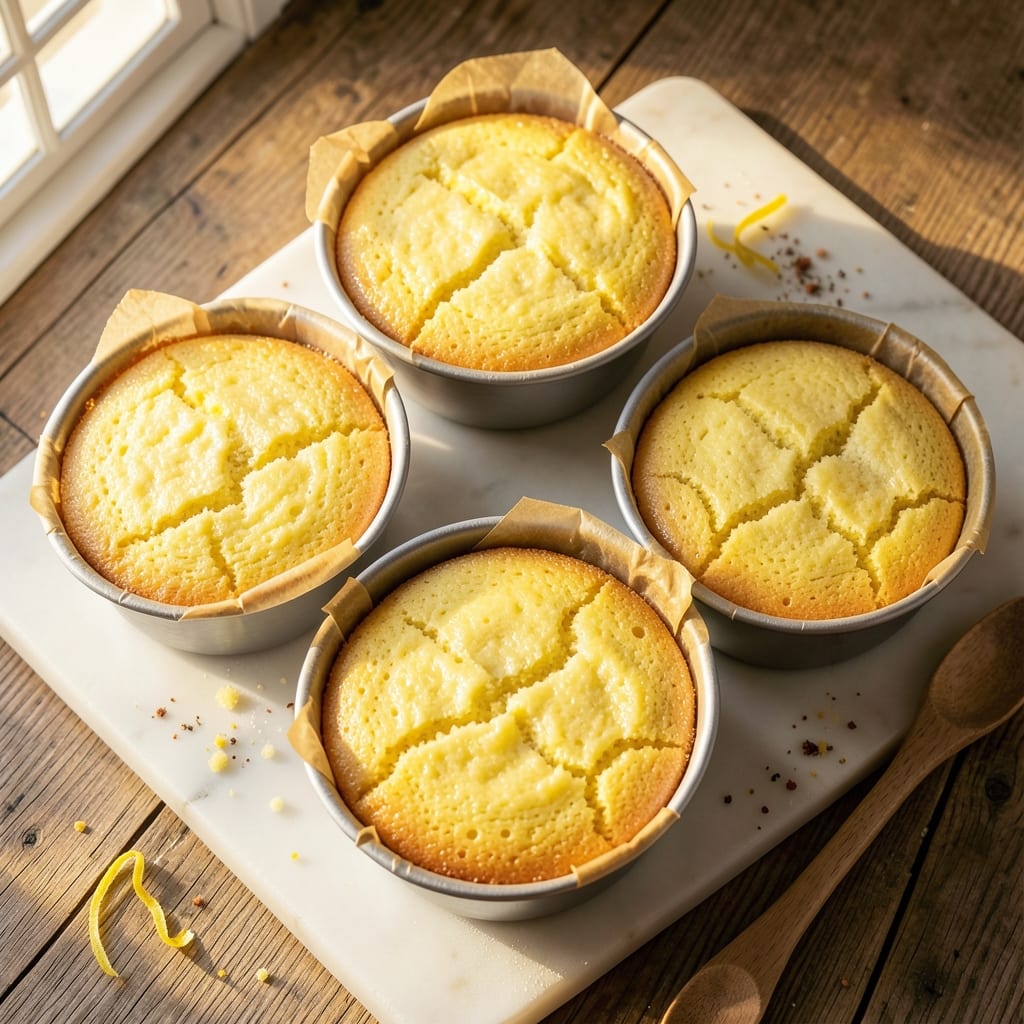
The 1234 yellow cake recipe delivers that iconic buttery vanilla height with layers of cream cheese frosting rivers—the kind that makes every slice unforgettable. This tried-and-tested method balances moisture and structure, ensuring a tender crumb that holds its shape while staying light enough to slice cleanly. The secret lies in precise ingredient ratios and gentle folding, which keeps the cake airy without compromising density.
What sets this recipe apart is the foolproof technique for achieving that signature yellow cake texture—rich, moist, and perfectly domed—paired with a velvety cream cheese frosting that swirls beautifully between layers. No special equipment is needed, just a standard mixing bowl and a 350°F oven for consistent results. The frosting, made with cream cheese and butter, adds a tangy contrast that elevates the vanilla base.
By the time you pull this cake from the oven, you’ll have a golden, even-toned masterpiece with a tender crumb that’s neither dry nor gummy. The frosting, spread in elegant rivers or piped swirls, ensures every bite is a balance of sweetness and creaminess. This recipe is designed for reliable success, whether you're baking for a celebration or simply craving a classic dessert.
Serve at room temperature for the best texture, or chill briefly to enhance the frosting’s smoothness. The versatility of this cake makes it perfect for birthdays, tea parties, or even a cozy weeknight treat. Let’s get baking—your guests won’t believe it’s homemade.
Ingredients for 1234 yellow cake
Twelve simple ingredients transform into a showstopping cake with golden height and creamy frosting rivers.
| Ingredient | Amount | Notes |
|---|---|---|
| All-Purpose Flour 🌾 | 2 ½ cups | Sifted for lightness |
| Granulated Sugar 🍚 | 2 cups | White or light brown |
| Unsalted Butter 🧈 | 1 cup | Room temperature, cubed |
| Large Eggs 🥚 | 4 whole | Room temperature |
| Vanilla Extract 🌿 | 2 tsp | Pure, not imitation |
| Baking Powder 🧂 | 2 tsp | Double-acting preferred |
| Salt 🧂 | ½ tsp | Fine sea salt |
| Milk 🥛 | 1 cup | Whole milk preferred |
| Cream Cheese 🧀 | 8 oz | Room temperature, full-fat |
| Powdered Sugar 🍚 | 3 cups | Sifted for smooth frosting |
| Heavy Cream 🥛 | ½ cup | Cold for stability |
| Lemon Juice 🍋 | 1 tbsp | Freshly squeezed |
| Vanilla Bean Paste 🌿 | 1 tsp | Optional for depth |
The butter and eggs are the stars here—room temperature is non-negotiable (the good stuff, not the pre-softened tub kind). Land O'Lakes or Plugrá are my go-tos for reliable quality. For the flour, I always grab Gold Medal or King Arthur—they bake consistently. The vanilla extract? Nothing but pure—the imitation stuff smells like chemicals. If you're using a vanilla bean, scrape out the seeds for extra flavor. The cream cheese should be full-fat (none of that low-fat nonsense)—Philadelphia brand works perfectly if you're in a pinch.
No vanilla bean paste? Extra vanilla extract plus a pinch of sugar mimics the depth. Running short on powdered sugar? Sifted granulated sugar works in a bind, but it won't be as smooth. The milk can be swapped for half-and-half or heavy cream> for extra richness. For the cake, I've tested this with King Arthur cake flour and it's even lighter, but all-purpose is foolproof. The frosting needs to be chilled for at least 2 hours—this is where patience pays off for those perfect rivers.
This cake stays fresh for 4-5 days wrapped tightly in plastic, but the frosting keeps for 2 days max in the fridge. Freeze the cake layers (unfrosted) for up to 3 months)—just thaw overnight before assembling. I always bake the cake a day ahead so the flavors meld. The frosting can be made 2 days in advance if stored in an airtight container. Pro tip: Use parchment paper under the cake layers to prevent sticking—trust me on this.
Why You'll Love This Recipe
- Pantry Staples Only: I keep a box of flour, sugar, and butter on hand just for this—no specialty trips. The eggs and vanilla are already in my fridge, so it’s like baking with my eyes closed.
- Butter-Sugar Magic: That creamed butter and sugar combo? It’s where the real flavor happens. Rich, tender crumb that doesn’t dry out—even the next day. (Yes, I’ve tested it.)
- Birthday to Brunch: Slice it for a party, cube it for trifles, or serve it plain with coffee. It’s my go-to for celebrations and lazy mornings. Honestly, it’s the cake I reach for most.
- Leftovers That Last: A full sheet pan bakes up perfectly, and the leftovers stay moist for days. I’ve fed a crowd with one batch, then saved the scraps for breakfast toast. Zero waste, all win.
Step-by-step instructions for buttery vanilla cake with cream cheese frosting
Here's how to create a towering, moist yellow cake with rivers of tangy cream cheese frosting.
Prepare the Cake Batter
Preheat your oven to 350°F and grease three 8-inch round cake pans, lining the bottoms with parchment paper. In a large mixing bowl, combine the 2.5 cups all-purpose flour, 2 cups granulated sugar, 2 tsp baking powder, and 0.5 tsp salt. Whisk until evenly distributed—this ensures a light, airy texture without lumps.
In a separate bowl, beat the 1 cup unsalted butter until smooth and creamy, then add the 4 whole large eggs one at a time, mixing well after each addition. Gradually pour in the 1 cup milk while mixing on low speed. Add the 2 tsp vanilla extract and 1 tsp vanilla bean paste, mixing until fully incorporated. Here's the thing—room-temperature ingredients blend better, so if your butter or eggs are cold, let them sit out for 20-30 minutes before starting.
With the mixer on low speed, gradually add the dry ingredients to the wet mixture. Mix just until combined—overmixing develops gluten, which can make the cake dense. Scrape down the sides of the bowl as needed to ensure everything is evenly incorporated. Divide the batter evenly among the three prepared pans, filling each about ⅔ full for even baking.
Bake to Golden Perfection
Place the pans in the preheated oven and bake for 25-30 minutes, or until a toothpick inserted into the center comes out clean. I like to rotate the pans halfway through baking to ensure even browning. The cakes should spring back slightly when pressed in the center, and the edges should pull away from the pan.
Don't open the oven during the first 20 minutes of baking—this helps the cakes rise properly. If the tops brown too quickly, tent the pans with aluminum foil. Once baked, remove the cakes from the oven and let them cool in the pans for 10 minutes before transferring them to a wire rack to cool completely. This gradual cooling prevents cracking and ensures even layers later.
Prepare the Cream Cheese Frosting
While the cakes cool, prepare the frosting by beating the 8 oz cream cheese and 1 cup unsalted butter together in a large mixing bowl until smooth and creamy. This step is crucial—don't rush it. The mixture should be completely lump-free, so use a hand mixer or stand mixer on medium speed until fully combined.
Gradually add the 3 cups powdered sugar, mixing on low speed until incorporated. Then, add the 0.5 cup heavy cream, 1 tbsp lemon juice, and the remaining 1 tsp vanilla extract. Mix until the frosting is light, fluffy, and perfectly smooth. Here's where it gets fun—taste and adjust the sweetness if needed. If it's too sweet, add a splash more lemon juice for brightness. If it's too tart, add a bit more powdered sugar.
Assemble the Cake Layers
Once the cakes are completely cool, level the tops if necessary using a serrated knife. Place the first cake layer on a cake stand or plate, then spread a generous layer of frosting evenly over the top. Here's the trick—I like to use a spatula to create a ¼-inch thick layer, leaving a slight overhang to prevent gaps between layers.
Repeat with the remaining two layers, adding frosting between each. For the final touch, spread a thin layer of frosting over the entire cake to create a smooth base. Chill the cake in the refrigerator for 20-30 minutes to help the frosting set slightly before decorating.
Create Frosting Rivers and Decorate
Using a piping bag fitted with a ½-inch round tip, pipe lines of frosting vertically down the sides of the cake, allowing them to pool at the bottom. This creates those beautiful "rivers" of frosting that cascade down the sides. For extra flair, use a small offset spatula to gently drag the frosting into swirls or drips along the edges.
Garnish with fresh berries, mint leaves, or a sprinkle of powdered sugar for a polished finish. Serve immediately for the best texture—this cake is best enjoyed fresh, with its moist layers and tangy-sweet frosting rivers melting into every bite. Store leftovers in the refrigerator for up to 3 days, bringing to room temperature before serving.
Pro Tips For Making 1234 Yellow Cake
- MEASURE FLOUR WITH SPOONS: I learned this the hard way—packing flour into measuring cups compresses it, making your cake dense. Use the spoon-and-level method: Spoon flour into the cup until overflowing, then sweep off the excess with a knife. This keeps your 1234 recipe light and fluffy.
- CREAM BUTTER AND SUGAR LONG: Skip the rush—beat your butter and sugar for at least 3-4 minutes until it’s pale and ribbony. That means when you lift the beater, the mixture holds a smooth, thick ribbon for a second. Shortcut? Use cold butter, but don’t overdo it—soft enough to dent but not melt.
- DON’T OVERMIX THE BATTER: Once you fold in the flour, stop after 20 strokes max. I’ve seen people beat this into a paste, and it turns out gummy. Use a spatula to gently fold, just until combined. The goal is to keep those air pockets from the creaming step alive.
- CHECK DONENESS WITH A TOOTHPICK: The cake’s done when a toothpick comes out clean—or with one crumb clinging to it. I’ve pulled cakes too early (they sink later) and too late (they dry out). If the center springs back when touched, give it 5 more minutes. No guessing.
Troubleshooting this dish
Cake Too Dense
Overmixing the batter is the #1 cause of dense yellow cake. Mix the dry ingredients into the wet mixture just until combined—no more than 30 seconds after all flour disappears. I’ve seen home bakers mix for 2-3 minutes by accident, and the gluten develops into a tough, chewy mess. If your batter looks shaggy, don’t panic—just fold it gently with a spatula. Also, ensure your butter and eggs are truly room temperature (68-72°F)—cold fat prevents proper emulsification. 💫
Cracked Top Surface
Rapid temperature changes cause those unsightly cracks. After baking, let the cakes cool in their pans for 10 minutes before transferring to a rack. If your kitchen is humid, tent the pans with foil during baking to slow moisture loss. I’ve also found that overfilling pans (more than ⅔ full) increases cracking risk. For extra insurance, brush the tops with a thin layer of milk before baking—this creates a protective barrier.
Dry or Crumbly Texture
Underbaking or overmixing both lead to dryness, but the real culprit is often old baking powder. Check your leavening agent’s expiration date—most lose potency after 6 months. For this recipe, use double-acting baking powder (like Rumford) for reliable rise. If your cake turns out dry, try adding 1-2 tbsp sour cream or Greek yogurt to the batter next time. These ingredients add moisture without altering flavor.
Frosting Too Soft
Room-temperature cream cheese is non-negotiable—if it’s cold, the frosting will be grainy and unstable. Let your 8 oz cream cheese sit out for 1-2 hours before mixing. Also, chilling the frosting for at least 2 hours before decorating prevents melting. Pro tip: If your kitchen is warm, place the frosting bowl in the fridge for 10 minutes while you assemble the cake layers. For extra stability, add 1 tsp unflavored gelatin dissolved in 1 tbsp hot water to the frosting mixture.
Uneven Baking
Hot spots in your oven cause uneven browning. Rotate your pans halfway through baking (after 15 minutes) for consistent results. If one side browns faster, tent that side with foil. I’ve also noticed that aluminum pans bake 10-15°F hotter than dark pans—adjust your oven temp down by 25°F if using dark pans. For even more precision, place a baking sheet on the middle rack to create a thermal barrier.
Frosting Separates
This happens when ingredients aren’t properly emulsified. Beat the cream cheese and butter together for 3-5 minutes until completely smooth—no streaks allowed. If your frosting still separates, strain it through a fine-mesh sieve before adding powdered sugar. For extra insurance, add the heavy cream last and mix on low speed. I’ve also found that using cold heavy cream (straight from the fridge) helps stabilize the mixture. If all else fails, add 1 tsp meringue powder for a smoother texture.
Nutrition facts
Frequently asked questions
Why does this recipe use three cake layers instead of two?
Three layers create a taller, more impressive cake with perfect proportions for cream cheese frosting rivers. The extra layer also allows for more frosting coverage, making each slice look and taste luxurious. For smaller gatherings, you can bake two layers and adjust the frosting quantity accordingly.
Can I substitute butter in the cake batter?
For best results, stick with unsalted butter—it provides the perfect balance of richness and tenderness. If you must substitute, use 1 cup vegetable shortening (though the flavor will be less rich) or 1 cup coconut oil (for a dairy-free option). Never use margarine, as it contains water that can make your cake dense.
How do I make this cake gluten-free?
Replace the 2.5 cups all-purpose flour with a 1:1 gluten-free flour blend (like Bob's Red Mill or King Arthur). Add ½ tsp xanthan gum to help bind the mixture. For the frosting, ensure your powdered sugar is gluten-free certified. Note that gluten-free cakes often have a slightly denser texture—adjust baking time as needed.
What's the best way to store leftover cake?
Wrap the unfrosted cake layers tightly in plastic wrap and store at room temperature for 2 days. For the frosted cake, keep it refrigerated in an airtight container for up to 3 days. To revive slices, warm them in the microwave for 10-15 seconds—this restores the moisture without melting the frosting completely.
Can I bake this cake in a different-sized pan?
Yes! For a single 9-inch layer, reduce the batter by ⅓> (use 1⅔ cups flour, 1⅓ cups sugar, etc.). For a 10-inch layer, reduce by ½> (use 1¼ cups flour, 1 cup sugar, etc.). Always adjust baking time—smaller pans bake faster, while larger ones need more time. Use a toothpick test to check doneness.