
Desserts
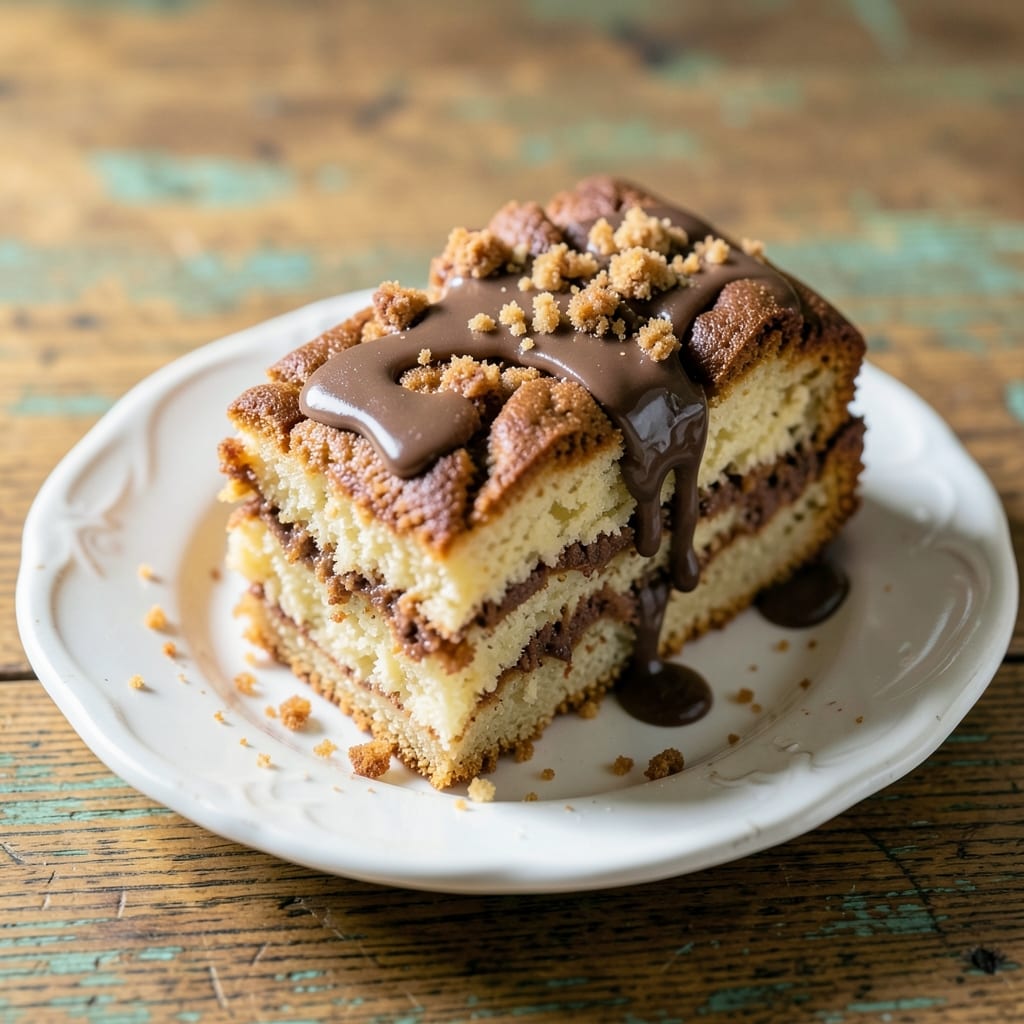
This 1950s coffee cake recipe brings back the comforting flavors of mid-century American kitchens, where buttery layers and cinnamon swirls were a Sunday morning staple. 💛 The secret lies in a tender crumb, a rich brown sugar filling, and a crumb topping that crackles with every bite—just like Grandma used to make. I've recreated this classic dessert with authentic techniques and ingredients that transport you back to a simpler time.
The recipe starts with a simple yet foolproof method: creaming butter and sugar until light and fluffy, then folding in buttermilk for that signature tender crumb. The cinnamon-sugar filling gets swirled into the batter before baking, creating those iconic ribbons of spice that make this cake irresistible. Baking at 350°F ensures a golden, even rise with a crispy top that's perfect for dusting with powdered sugar.
What makes this coffee cake truly special is its nostalgic charm—warm spices, a buttery crust, and a filling that melts into every bite. It's the kind of dessert that pairs perfectly with a cup of coffee or a glass of milk, evoking memories of family gatherings and cozy mornings. The aroma alone will fill your kitchen with warmth, making it a centerpiece for any dessert table.
Once baked, the cake develops a caramelized crust that adds depth to every slice, while the cinnamon swirls peek through the tender crumb. Serve it warm or at room temperature, and you'll understand why this recipe has stood the test of time. Here's how to recreate this timeless classic in your own kitchen.
Ingredients for 1950 coffee cake
Buttery crumb, cinnamon swirls, and a crackly oat topping—this nostalgic coffee cake brings 1950s charm to your kitchen.
| Ingredient | Amount | Notes |
|---|---|---|
| All-Purpose Flour 🌾 | 3 cups | Sifted for light texture |
| Granulated Sugar 🍚 | ½ cup | White sugar preferred |
| Brown Sugar 🍯 | ½ cup | Packed firmly for filling |
| Unsalted Butter 🧈 | 1 cup | Cold, cubed for creaming |
| Buttermilk 🥛 | 1 cup | Room temperature for best mix |
| Large Eggs 🥚 | 2 whole | Room temperature for even baking |
| Ground Cinnamon 🌿 | 2 tbsp | True cinnamon, not cassia |
| Vanilla Extract 🌸 | 1 tsp | Pure vanilla preferred |
| Baking Powder 🍞 | 2 tsp | Aluminum-free for tender crumb |
| Salt 🧂 | ½ tsp | Fine sea salt preferred |
| Powdered Sugar 🍚 | ½ cup | For dusting and topping |
| Old-Fashioned Oats 🌾 | ½ cup | Blended into crumbs for texture |
| Chopped Walnuts 🥜 | ¼ cup | Toasted for extra flavor |
The butter matters here—European-style unsalted gives the richest flavor. Plugrá or Land O'Lakes are reliable choices, but any good-quality brand works. For the cinnamon, Ceylon cinnamon is ideal (it's sweeter and less bitter), but regular ground cinnamon works in a pinch. The buttermilk should be room temperature—cold buttermilk makes for a denser cake. If you're short on time, substitute with 1 cup milk plus 1 tbsp vinegar or lemon juice, let it sit for 5 minutes. The oats? Old-fashioned, not quick—they toast better and add that classic crunch.
No buttermilk? Sour cream or yogurt works too—just measure it out first since it's thicker. Running out of cinnamon? Nutmeg or cardamom adds warmth, but it won't be the same. For the crumb topping, blend the oats and nuts in a food processor for a finer texture—no need to overthink it, though. The walnuts can be skipped if you're nut-free, but they add a nice contrast. If you're making this ahead, bake it a day early—the flavors meld beautifully overnight, and it reheats perfectly in the oven.
This cake keeps well for 4 days at room temperature, wrapped tightly in foil. For longer storage, freeze it—up to 3 months—and thaw at room temperature. The topping stays crispy if stored properly. Serve warm with a pat of butter melting on top, or dust with powdered sugar for a classic finish. Leftovers? Toast slices and serve with ice cream—trust me, it's even better the second time around.
Why You'll Love This Recipe
- No-Fuss Mixing: I swear by the way this batter comes together—just creamed butter, sugars, and eggs, then dry ingredients folded right in. No sifting, no weird techniques, just stir until it’s just combined. That buttermilk? It keeps the crumb tender without extra fuss.
- Buttery-Brown Sugar Magic: Honestly, the brown sugar in this cake is where it shines. It caramelizes just enough during baking to give every bite that deep, molasses-kissed warmth, while the butter keeps it rich but not greasy. (Yes, even on a Tuesday night.)
- Breakfast or Snack: This cake is my secret weapon for lazy mornings—slice it warm with coffee, or pack it in lunches for later. The buttermilk keeps it from drying out, so it’s just as good cold as it is fresh out of the oven. My kids grab it after school; my husband sneaks slices before work.
- Budget Breakfast for Days: A single batch costs me pennies and feeds the whole family for two days. The flour and sugar stretch far, the butter is used efficiently, and it freezes like a dream. I make two pans on Sunday, wrap them up, and boom—breakfast is handled all week.
Step-by-step instructions for classic 1950s coffee cake
This timeless recipe delivers a tender crumb, fragrant cinnamon swirl, and buttery crust—just like grandma used to make.
👨🍳 Step 1: Prepare the Dry and Wet Ingredients
In a medium bowl, whisk together the 3 cups All-Purpose Flour, 2 tsp Baking Powder, 0.5 tsp Salt, and 2 tbsp Ground Cinnamon. Sift the mixture twice for a light, airy texture—this prevents dense cake. In a separate large bowl, beat the 1 cup Unsalted Butter and 0.5 cup Granulated Sugar with an electric mixer on medium speed until light and fluffy, about 3-4 minutes. This creaming process incorporates air, which creates that classic coffee cake rise.
Add the 2 whole Large Eggs, one at a time, mixing well after each addition. Stir in the 1 cup Buttermilk and 1 tsp Vanilla Extract until just combined. Avoid overmixing—the batter should be smooth but slightly lumpy. Here's the thing—room temperature ingredients mix better, so if your eggs or butter feel cold, let them sit at room temperature for 10 minutes before starting.
🥘 Step 2: Create the Cinnamon Swirl Filling
In a small bowl, combine the 0.5 cup Brown Sugar, remaining 1 tbsp Ground Cinnamon, and 0.5 cup Old-Fashioned Oats. Pulse the oats in a food processor until they resemble fine crumbs—this ensures even distribution in the filling. Toast the 0.25 cup Chopped Walnuts in a dry skillet over medium heat for 2-3 minutes until fragrant, then cool completely. Stir the toasted walnuts into the filling mixture.
This filling is the heart of your coffee cake. The brown sugar adds caramel notes, while the toasted walnuts provide crunch and depth. Don't skip the oat crumbs—they create texture contrast that makes every bite interesting. If you prefer extra richness, fold in 1 tablespoon melted butter to the filling mixture.
🍳 Step 3: Assemble the Coffee Cake Layers
Preheat your oven to 350°F. Grease a 9x13-inch baking pan and line the bottom with parchment paper for easy removal. Spread half of the batter evenly into the prepared pan, using a spatula to create an even layer. Sprinkle half of the cinnamon filling mixture over the batter, then gently swirl it with the back of a spoon to create marbled patterns. Add the remaining batter and top with the rest of the filling.
Use a knife to create swirls in the filling—this is where the visual appeal comes from. The filling should peek through the top layer in places, creating those classic coffee cake patterns. Tap the pan gently on the counter 2-3 times to release any air bubbles that might have formed during assembly. This step prevents doming and ensures even baking.
🔥 Step 4: Bake to Golden Perfection
Bake the coffee cake for 35-40 minutes until the top is golden brown and a toothpick inserted in the center comes out clean. The edges should pull away slightly from the pan, and you should smell that unmistakable cinnamon aroma. If the top browns too quickly, tent the pan with aluminum foil to prevent over-browning while allowing the center to cook through.
Real talk: Your oven might run hot, so start checking at the 30-minute mark. The cake is done when it springs back slowly when gently pressed in the center. Remove from the oven and let it cool in the pan for 10 minutes before transferring to a wire rack. This resting period allows the layers to set properly and prevents crumbling when you slice.
🍽️ Step 5: Serve with Powdered Sugar Dusting
Once cooled, dust the top generously with 0.5 cup Powdered Sugar using a fine-mesh sieve. This classic finishing touch adds sweetness and visual appeal. Cut into squares and serve warm with a pat of unsalted butter or a cup of hot coffee for that authentic 1950s experience. The cake should be moist but not soggy, with a tender crumb that practically melts in your mouth.
For best results, store any leftovers in an airtight container at room temperature for up to 3 days. The flavors actually improve as it sits, with the cinnamon and walnuts developing deeper notes. If you're making this ahead, bake it a day in advance—it reheats beautifully in the oven at 300°F for 10 minutes to restore freshness.
Pro Tips For Making 1950 Coffee Cake
- MEASURE BUTTER COLD: Take that butter straight from the fridge—yes, even if it’s stubborn—and cut it into cubes exactly the size of a walnut. I learned this the hard way: Larger chunks melt unevenly, and you’ll end up with a cake that’s greasy instead of tender. Use a knife to smash them slightly if they’re too hard, but don’t let them soften.
- WHISK BUTTERMILK FIRST: Pour the buttermilk into your mixing bowl before adding the dry ingredients, then give it a quick whisk. This breaks up the curds just enough to blend smoothly—no lumpy surprises when you fold in the flour. (And if your buttermilk’s too thick, add a splash of milk to loosen it up.)
- STOP WHEN CENTER’S SPRINGY: Your cake’s done when the edges pull away from the pan and the center bounces back when pressed lightly—like a trampoline, not a pancake. Overbaking dries it out, and I’ve ruined plenty by staring at the oven like it’s a fortune cookie. Use a toothpick test, but trust your fingers more.
- SWAP BROWN SUGAR MIDWAY: Save half the brown sugar for the topping—sprinkle it over the batter after pouring, then swirl it in with a knife. This gives the crust that caramelized crunch without making the whole cake dense. (Pro move: Press a few extra chunks into the edges for extra flavor.)
Regional styles of this 1950 coffee cake
Midwest Homestyle
In the heartland, coffee cake was a Sunday breakfast staple, often served with a glass of cold milk. The Midwest version leans into a thicker, heartier crumb with a touch of nutmeg alongside cinnamon—about ½ teaspoon—for extra warmth. I love adding ½ cup chopped pecans to the filling instead of walnuts, as they were more common in regional grocers back then. The topping gets a buttery twist: mix ½ cup melted butter with the oat crumbs before sprinkling for a richer, cracklier crust. 🌾
This regional take also includes a streusel layer between the batter and filling—combine ½ cup flour, ¼ cup brown sugar, and 2 tablespoons cold butter, then crumble it over the first batter layer before adding the cinnamon swirl. It creates pockets of extra crunch that Midwestern families adored.
New England Twist
Up north, coffee cake often incorporated maple syrup for a subtle depth that balanced the spices. Replace ¼ cup of the granulated sugar in the batter with pure maple syrup (I use Grade B for its robust flavor). The filling gets a dried fruit boost: fold in ½ cup chopped dried apples or cranberries with the oats for a tart contrast. New Englanders also loved a lemon zest finish—add 1 teaspoon to the batter for brightness. 🍁
For the topping, New England bakers would press ½ cup quick oats mixed with 2 tablespoons melted butter and 2 tablespoons brown sugar firmly into the pan before baking. This creates a dense, caramelized crust that’s almost like a cookie. Serve with whipped cream instead of powdered sugar for a true Yankee touch.
Southern Comfort
Southern coffee cakes often featured black walnuts or pecans and a sweeter filling—up to ¾ cup brown sugar in the swirl. The batter gets enriched with ¼ cup sour cream (or more buttermilk) for extra moisture, and ½ teaspoon baking soda replaces some baking powder for a lighter rise. I like adding 1 teaspoon molasses to the filling for a molasses-like depth that pairs perfectly with Southern-style strong coffee. 🍯
For the topping, Southern cooks would mix ½ cup cornmeal with the oat crumbs—this adds a cornbread-like texture that’s iconic in the South. The cake is often served with sweet tea or buttermilk biscuits on the side. Don’t skip the powdered sugar dusting, but add a pinch of salt to the sugar for a balanced sweet-savory finish.
Pacific Northwest Adaptation
Out west, coffee cakes embraced local fruits like raspberries or blackberries, folded into the filling alongside the cinnamon swirl. Use 1 cup fresh berries, lightly crushed, mixed with 2 tablespoons sugar and 1 teaspoon lemon juice to prevent bleeding. The batter stays classic, but the topping gets a honey-butter twist: mix 2 tablespoons honey with the melted butter for the crumb topping. 🍇
Pacific Northwest bakers also love a cardamom note—add ½ teaspoon to the batter for an aromatic lift. Serve this version with vanilla ice cream or a drizzle of caramel sauce for a modern yet nostalgic touch. The berries add freshness that cuts through the richness, making it a perfect brunch dessert.
Nutrition facts
Frequently asked questions
Why does this 1950s coffee cake recipe use buttermilk instead of regular milk?
The buttermilk adds tanginess and moisture that regular milk can't match—it reacts with the baking powder for a lighter texture and tender crumb. The acidity also helps balance the sweetness of the cinnamon filling. If you're short on time, mix 1 cup milk with 1 tablespoon vinegar or lemon juice, let it sit for 5 minutes to curdle.
Can I make this coffee cake in a different pan size?
Yes, but adjust the baking time. A 9x9-inch pan will bake 10-15 minutes longer than a 9x13-inch pan—check doneness with a toothpick. For a 9-inch round pan, reduce the recipe by 25% (about 3 cups flour total). Always grease the pan well to prevent sticking, especially with the oat topping.
What's the best way to store leftover coffee cake?
Keep it wrapped tightly in foil at room temperature for 3 days—the flavors actually improve as it sits! For longer storage, freeze slices (up to 3 months). Thaw at room temperature or warm in the oven at 300°F for 10 minutes. The topping stays crispy if stored properly, and reheating restores that fresh-baked aroma.
Can I substitute the walnuts in the filling?
Skip them for a nut-free version, or swap for pecans, almonds, or even dried fruit like raisins or cranberries. Toast the nuts first—they add depth of flavor. If you prefer extra richness, fold 1 tablespoon melted butter into the filling mixture. The texture contrast is what makes this classic coffee cake special!
Why does my coffee cake turn out dense instead of tender?
Overmixing the batter or using cold ingredients are common culprits. Cream the butter and sugar until light and fluffy, and mix wet/dry ingredients just until combined. Also, ensure your baking powder is fresh—old leavening causes dense cakes. Let the cake cool in the pan for 10 minutes before transferring to avoid crumbling.