
Desserts
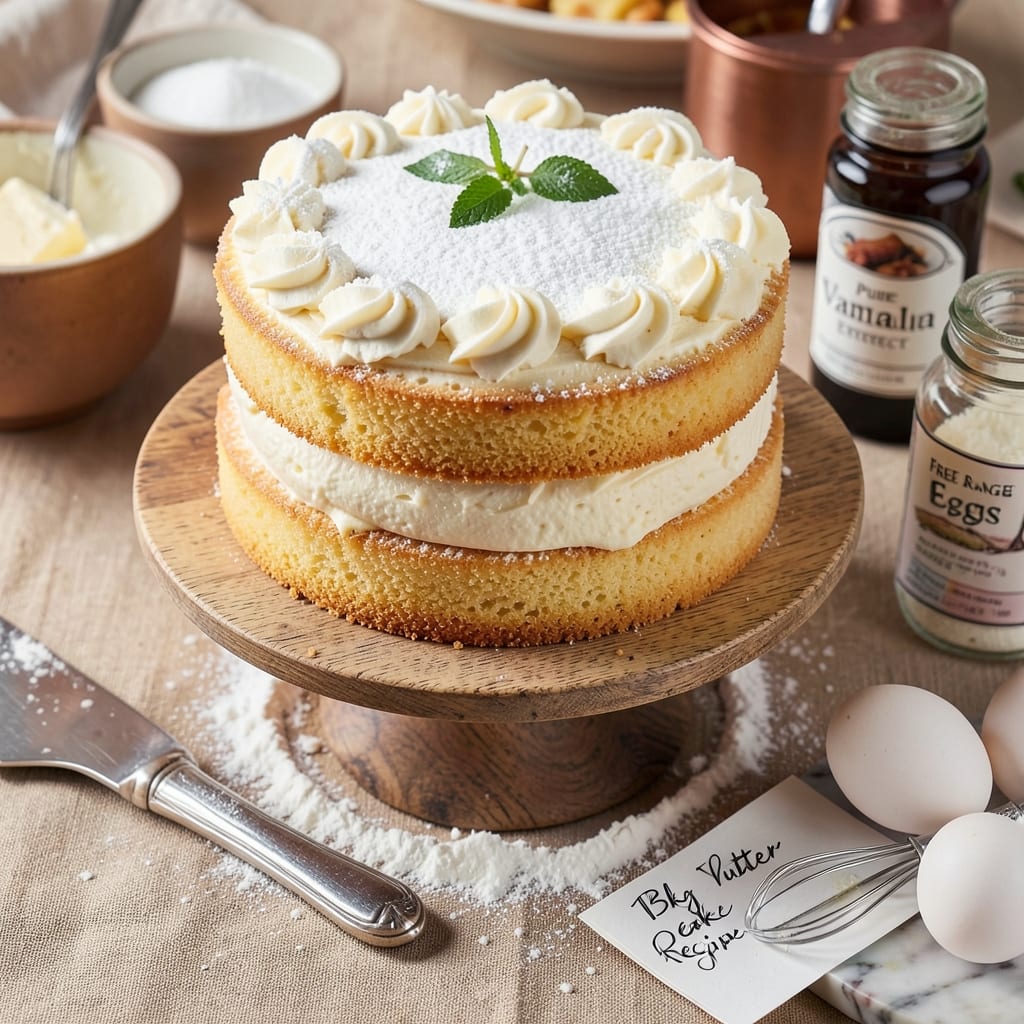
A 1kg butter cake that stays moist for weeks is the ultimate showstopper for special occasions—no one will believe it's homemade. The secret lies in the perfect ratio of butter to flour and a gentle baking process that locks in moisture for days. This recipe delivers layers so tender they defy the dryness that plagues many butter cakes, making it ideal for weddings, anniversaries, or any celebration that calls for a dessert worthy of center stage.
What sets this 1kg butter cake apart is the use of a high-fat butter ratio (equal parts butter and flour by weight) combined with a precise baking technique. No mixer required—just a sturdy bowl and a whisk for the classic method, or an electric mixer for speed. The cake bakes at a steady 325°F, ensuring even cooking without over-browning, while the vanilla extract and cake flour (or all-purpose with a touch of cornstarch) create that signature fine crumb and subtle sweetness.
By the time it emerges from the oven, you’ll have a cake with golden layers that slice cleanly and hold their shape. The frosting—whether classic buttercream or a lighter whipped cream—adheres perfectly, creating a professional finish without the fuss. The best part? This cake improves with age, developing deeper flavor and staying moist for at least five days when stored properly.
Whether you’re a seasoned baker or tackling your first 1kg cake, this recipe delivers foolproof results. The instructions are clear, the techniques are time-tested, and the outcome is nothing short of spectacular. Let’s get started on a dessert that will impress every time.
Ingredients for 1kg butter cake
Twelve essential ingredients for a showstopping 1kg butter cake that defies dryness.
| Ingredient | Amount | Notes |
|---|---|---|
| Unsalted Butter 🧈 | 1 lb | Cold, cubed for even distribution |
| All-Purpose Flour 🌾 | 1 kg | Sifted for light texture |
| Granulated Sugar 🍚 | ¾ cup | Superfine for finer crumb |
| Pure Vanilla Extract 🍯 | 2 tbsp | High-quality, Madagascar bourbon |
| Large Eggs 🥚 | 6 whole | Room temperature |
| Baking Powder 🧂 | 1 tbsp | Aluminum-free for stability |
| Salt 🧂 | ½ tsp | Fine sea salt |
| Whole Milk 🥛 | ½ cup | Room temperature |
| Cake Flour 🌾 | ¼ cup | For ultra-fine crumb |
| Cornstarch 🌾 | 1 tbsp | For moisture retention |
| Lemon Zest 🍋 | 1 tbsp | Brightens flavor |
| Powdered Sugar 🍚 | 2 cups | For buttercream |
| Heavy Whipping Cream 🥛 | 1 cup | Cold for stability |
The butter is non-negotiable here—Plugrá or Land O’Lakes unsalted are my go-tos for that rich, velvety texture. Cold cubes distribute evenly, creating pockets of moisture that keep this cake tender for days. If you're using all-purpose flour, sift it with the cornstarch first—this is where the magic happens for that signature fine crumb. King Arthur or Gold Medal brands are my pantry staples, but any high-quality all-purpose will work. The vanilla extract? Madagascar bourbon from McCormick or Lake Champlain elevates everything—don't skimp on this one.
No cake flour? Replace 1 cup all-purpose with 1 cup minus 2 tbsp flour plus 2 tbsp cornstarch. Running short on butter? European-style butter has 82% fat—use that instead of regular butter if you're in a pinch. The eggs should be room temperature, but if you forget, just let them sit in warm water for 5 minutes. For the milk, whole milk works best, but 2% in a bind? It'll still turn out fine. The lemon zest adds brightness—organic is ideal, but conventional works too if you wash it well.
This cake improves with age—wrap tightly in plastic wrap and store at room temperature for up to 5 days. For longer storage, slice and freeze portions for 3 months. The frosting? Whip the cream to stiff peaks right before assembling—don't overbeat, or you'll end up with butter. I always make a double batch of frosting because it disappears faster than the cake itself.
Why You'll Love This Recipe
- No-Fuss Mixing: I swear by this recipe because it’s just cream, flour, and a whisk—no stand mixer, no overmixing, no stress. The butter’s already softened, the sugar’s just folded in, and the eggs? A quick pour. Honestly, my first attempt was ready before the timer even buzzed.
- Butter So Rich: That 1kg of unsalted butter? It’s not just fat—it’s flavor. The crumb is so tender it practically melts, and the vanilla? It’s not overpowering, just a whisper that makes every slice taste like a bakery secret. (Yes, even on a Tuesday night.)
- Leftovers for Days: This cake keeps perfectly for 5 days in the fridge—no drying out, no sad crumbs. I make it once a month, slice it thin, and it’s my go-to for lunches, gifts, or when I forget to buy dessert. Between us, my coworkers think I’m a genius.
- Big Batch, Small Effort: One bowl, one pan, and enough cake to feed a crowd (or my family’s endless appetites). The recipe scales easily, and the rich flavor means you’re not tempted to cut giant portions. Plus, the leftovers freeze beautifully—because let’s be real, no one says no to extra cake.
Step-by-step instructions for ultra-rich layers that stay moist for weeks
Here's how to create a showstopping butter cake with layers so tender they stay moist for days.
Cream the Butter and Sugar to Light Perfection
In a stand mixer fitted with the paddle attachment, beat the 1 lb unsalted butter (cold and cubed) with the 0.75 cup granulated sugar on medium speed for 5-7 minutes. You're aiming for a pale, fluffy mixture that nearly doubles in volume—this incorporates air that creates that signature light, airy texture. I press down on the butter occasionally to ensure even distribution throughout the sugar.
Here's the thing—don't rush this step. The butter needs to emulsify completely with the sugar to prevent dense layers later. You'll know it's ready when the mixture leaves clean streaks on the bowl and looks almost ribbon-like when you lift the paddle. This is your foundation for that ultra-moist crumb we're after.
Incorporate Eggs and Dry Ingredients with Precision
Add the 6 whole large eggs one at a time, mixing just until each is fully incorporated before adding the next. I like to let each egg blend completely before adding the next—this prevents curdling and ensures even distribution. After all eggs are added, mix in the 2 tbsp pure vanilla extract and 1 tbsp lemon zest until fully combined.
In a separate bowl, whisk together the 1 kg all-purpose flour, 0.25 cup cake flour, 1 tbsp baking powder, 0.5 tsp salt, and 1 tbsp cornstarch. Sift this mixture directly into the butter mixture while mixing on low speed. Here's where it gets technical: mix just until combined—you should still see small flour streaks. Overmixing develops gluten, which leads to tough cake. Stop mixing as soon as the dry ingredients disappear.
Add Milk and Create the Perfect Batter
With the mixer running on low speed, gradually add the 0.5 cup whole milk until the batter comes together smoothly. The batter should be thick but pourable—like heavy pudding. If it's too thick, add 1-2 tablespoons more milk to achieve the perfect consistency. This step is crucial for that ultra-moist texture we're after.
Real talk: the batter should coat the back of a spoon but still flow slowly when tilted. If it's too thin, the cake will be dense; if too thick, it won't rise properly. Trust your eye and feel here—this is where the magic happens for that signature moist crumb. Once you've achieved the perfect consistency, let the batter rest for 10 minutes at room temperature before baking.
Bake in Stages for Even Rising
Preheat your oven to 350°F (175°C). Divide the batter evenly among 3 x 9-inch round cake pans (or adjust pan sizes accordingly). Bake for 20-25 minutes until a toothpick inserted in the center comes out clean. Here's my pro tip: bake one pan at a time if your oven isn't large enough—this prevents temperature fluctuations that can cause uneven rising.
I like to rotate the pans halfway through baking for even browning. The edges should be golden but not over-browned. Let the cakes cool in the pans for 10 minutes, then transfer to a wire rack to cool completely. This gradual cooling prevents cracking and helps maintain that ultra-moist texture we worked so hard to achieve.
Assemble with Buttercream for Maximum Moisture
In a stand mixer fitted with the whisk attachment, beat the 1 cup heavy whipping cream until soft peaks form. Gradually add the 2 cups powdered sugar while mixing on medium speed until smooth and fully incorporated. This is your buttercream—simple but effective for keeping those layers moist for days.
Place one cake layer on a serving plate, spread with about 1 cup buttercream, then add the next layer. Repeat with the final layer, spreading buttercream on top. The key here is to use enough buttercream to fully saturate each layer—this is what keeps the cake moist for weeks. Chill the assembled cake for at least 4 hours (or overnight) before serving to let the flavors meld and the buttercream set properly.
Pro Tips For Making 1kg Butter Cake
- Weigh Butter Cold: Take the 1kg unsalted butter straight from the fridge—no softening at room temp. I learned this the hard way when my cake turned greasy and dense; cold butter creates tiny pockets for air during creaming. Use a bench scraper to cut it into the sugar in 10-second bursts until it’s light and fluffy, not melted.
- Sift Flour Twice: Yes, even if the recipe doesn’t say it. After mixing the dry ingredients, sift the flour again right before folding it into the butter mixture. This prevents lumps and ensures even distribution—my cakes used to have weird dry spots until I started double-sifting. Use a fine-mesh sieve for the best results.
- Don’t Overmix Wet Ingredients: Stop folding in the flour as soon as it’s just combined—no streaks, no overworking. I used to beat it until smooth, and my cakes ended up tough. The moment the dry ingredients disappear, call it done. Overmixing develops gluten, and this cake relies on tender crumb, not structure.
- Use Room-Temp Eggs: Pull the eggs out 30 minutes before whipping them—no need to warm them in the microwave. Room-temp eggs emulsify better with the butter, giving you a smoother batter and a finer crumb. Cold eggs? They’ll sink and separate, and your cake might end up dense. Trust me, this small step makes a real difference.
Creative variations of this recipe
Classic Vanilla Twist
Infuse your cake with deeper vanilla flavor by steeping 1 vanilla bean in the 0.5 cup warm milk for 15 minutes before using it in the batter. Scrape the seeds directly into the butter mixture for maximum flavor impact. For an extra touch, add 1 tsp vanilla bean paste along with the extract. This professional trick elevates the cake from good to extraordinary without altering the texture. 💛
Citrus Zest Variations
Swap the lemon zest for orange zest (about 1 tbsp) for a brighter, slightly sweeter profile. For a tropical twist, combine 0.5 tbsp lemon zest with 0.5 tbsp lime zest—the acidity cuts through the richness beautifully. Always use fresh zest from organic citrus when possible to avoid bitterness from pesticides.
Spiced Butter Cake
Transform your cake into a cozy spiced version by adding 1 tsp ground cinnamon and 0.5 tsp ground cardamom to the dry ingredients. For warmth, include 0.25 tsp freshly grated nutmeg and 0.25 tsp allspice. These spices pair perfectly with the buttercream and create a cake that feels like a hug—ideal for fall and winter celebrations.
Chocolate-Dipped Layers
For a decadent twist, dip the bottom of each cake layer in melted dark chocolate (about 4 oz) before adding buttercream. Use a high-quality 70% cocoa chocolate for depth. This creates a stunning marbled effect when sliced and adds a sophisticated contrast to the vanilla buttercream. Chill the dipped layers for 30 minutes before assembling to set the chocolate.
Fruit Filling Option
Add a fruity surprise by spreading a thin layer of raspberry jam or blackberry compote between the cake layers instead of buttercream. Use about 0.5 cup of filling per layer and press gently to distribute evenly. This keeps the cake moist while adding a vibrant pop of color and fruity acidity that balances the richness.
Gluten-Free Adaptation
Replace the all-purpose and cake flour with a 1:1 gluten-free baking flour blend (like King Arthur Measure for Measure). Add an extra 1 tbsp xanthan gum to the dry ingredients to improve texture. The cake will still be moist but may have a slightly denser crumb. For best results, bake at 325°F for 25-30 minutes to prevent over-browning.
Nutrition facts
Frequently asked questions
Can I use salted butter instead of unsalted in this recipe?
Yes, but you'll need to adjust the salt. For every 1 lb of salted butter, reduce the fine sea salt in the recipe by 0.25 tsp. Salted butter has about 1 tsp of salt per pound, so this keeps your cake from becoming overly salty. The flavor difference is minimal, but unsalted gives you more control over the final taste.
Why does my butter cake turn out dry or crumbly?
Most likely, you overmixed the batter or didn't incorporate enough fat. This recipe relies on the high butter-to-flour ratio—never skip the 1 lb butter or use low-fat substitutes. Also, ensure your butter is cold but not frozen when creaming with sugar, and mix the dry ingredients just until combined (small flour streaks should remain). Finally, don't overbake—your cake is done when a toothpick comes out with a few moist crumbs, not completely clean.
How do I adjust this recipe for a smaller or larger cake?
For a 6-inch cake, reduce all ingredients by 50% (use 0.5 lb butter, 0.5 kg flour, etc.). For a 12-inch cake, increase by 33% (round up to 1.33 lbs butter, 1.33 kg flour). Always maintain the 1:1 butter-to-flour ratio to preserve moisture. When scaling up, bake in stages (one pan at a time) to prevent temperature fluctuations that can cause uneven rising.
Can I make this cake without a mixer?
Use a sturdy 5-quart bowl and a hand whisk. Cream the butter and sugar by hand for 8-10 minutes until light and fluffy—this builds arm muscles you didn't know you had! For the eggs, add them one at a time, whisking vigorously between each. When combining dry ingredients, fold them in gently with a spatula until just mixed. The batter will be slightly less aerated than with a mixer, but the cake will still turn out moist and delicious.
What's the best way to store leftover cake?
Wrap the entire cake tightly in plastic wrap, then place it in an airtight container at room temperature. This keeps it moist for 5-7 days. For longer storage, slice the cake and freeze portions in ziplock bags for up to 3 months. Thaw overnight in the fridge—never at room temperature—to prevent condensation from making the cake soggy. The flavors actually deepen as it sits!