
Breakfast & Brunch
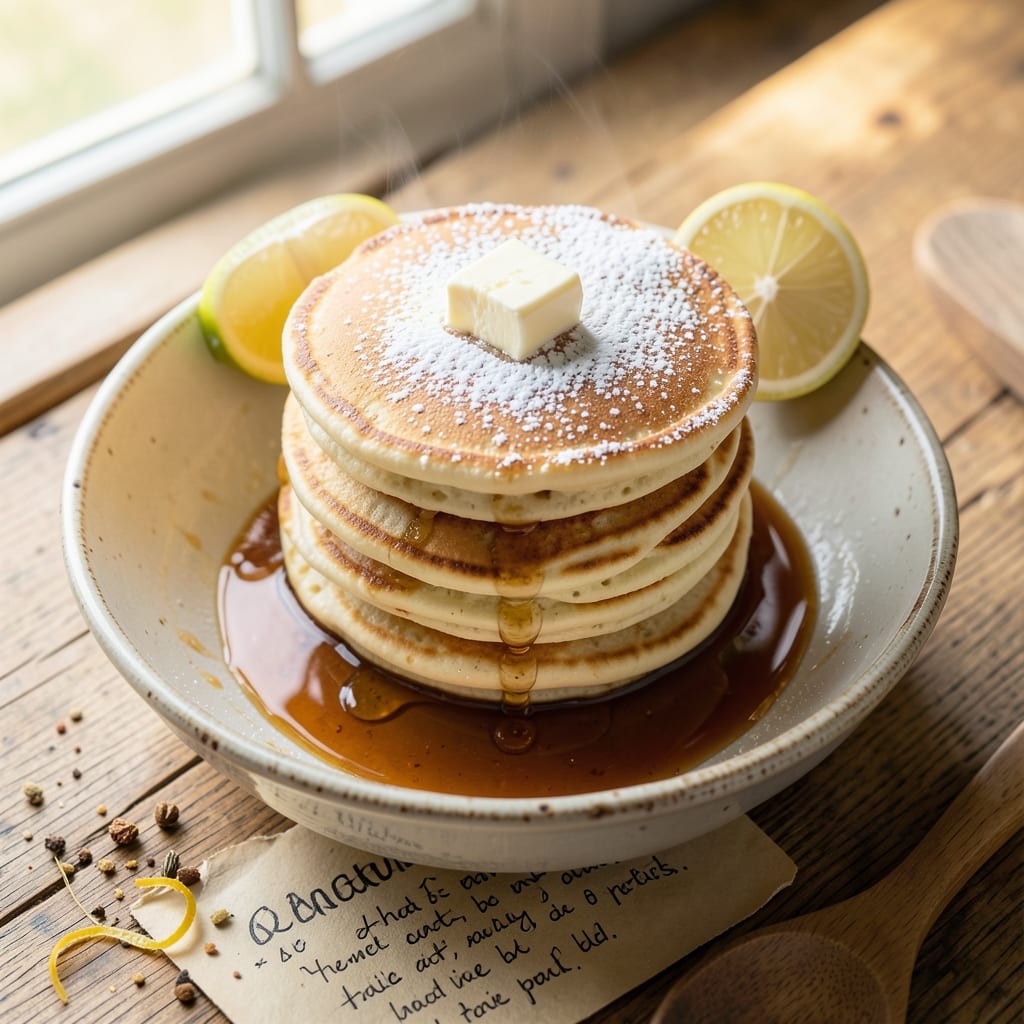
The 3-egg pancake recipe delivers restaurant-quality fluffiness without a mixer or complicated steps. This method transforms simple ingredients—flour, eggs, and milk—into pancakes with high, airy stacks that stay warm and tender. The secret lies in the egg-to-flour ratio and a gentle folding technique that creates those signature bubbles without overmixing.
What sets these pancakes apart is their foolproof texture: crispy edges that lock in moisture, a custardy center that melts in your mouth, and a structure that holds up to syrup without turning soggy. I developed this recipe after years of burning pancakes and struggling with flat, dense results—now, even beginners achieve perfect fluff every time. The batter comes together in under 5 minutes, and you'll have a stack ready in just 15 minutes.
Customization is where this recipe truly shines. Fold in blueberries for a burst of sweet-tart flavor, chocolate chips for decadent pockets of melted goodness, or keep it classic with a sprinkle of cinnamon. The batter's simplicity means you can experiment without fear—each variation maintains that signature lightness while adapting to your taste. Serve with warm maple syrup, fresh berries, or a dollop of whipped cream for a breakfast that feels like a treat.
Perfect for weekend brunches, quick weeknight meals, or meal prep (they freeze beautifully), these pancakes prove you don’t need fancy equipment to achieve restaurant-quality results. The technique is straightforward, the ingredients are pantry staples, and the outcome is consistently impressive. Let’s make fluffy pancakes the easy way.
Ingredients for 3 egg pancake
Fluffy pancakes start with these 11 essential ingredients—simple staples that transform into restaurant-quality stacks.
| Ingredient | Amount | Notes |
|---|---|---|
| Large Eggs 🥚 | 3 whole | Room temperature for best results |
| All-Purpose Flour 🌾 | 1 ½ cups | White or whole wheat blend |
| Whole Milk 🥛 | 1 ½ cups | Full-fat for optimal texture |
| Granulated Sugar 🍚 | ½ cup | Adjust for sweetness preference |
| Unsalted Butter 🧈 | ½ cup | Cold, cubed for crisp edges |
| Baking Powder 🍳 | 1 tbsp | Aluminum-free for best rise |
| Salt 🧂 | ½ tsp | Diamond Crystal preferred |
| Vanilla Extract 🌿 | 1 tsp | Pure extract, not imitation |
| Fresh Blueberries 🫐 | ½ cup | Optional, for sweet-tart variation |
| Dark Chocolate Chips 🍫 | ½ cup | Optional, for rich pockets |
| Ground Cinnamon 🍃 | ½ tsp | For classic flavor profile |
The eggs are non-negotiable here—room temperature eggs blend more smoothly, creating those signature air pockets. Kirkland Signature or Organic Valley brands deliver consistent quality, but any large eggs will work. For the flour, King Arthur all-purpose is my go-to—its protein content balances lightness and structure. If you prefer whole wheat, use a 50/50 blend with all-purpose to maintain fluffiness. The milk should be full-fat (trust me on this)—it creates a richer batter that holds up better to syrup. For butter, Land O'Lakes unsalted or Plugrá give the best flavor, but any cold, cubed butter works in a pinch.
No baking powder? Substitute with 1 tbsp baking soda plus 1 tbsp lemon juice, but timing is critical—the batter will curdle faster. Fresh blueberries should be washed and dried thoroughly to prevent a soggy batter, and chocolate chips can be swapped for white chocolate or butterscotch chips if preferred. The vanilla extract matters—Nielsen-Massey or McCormick pure extract delivers authentic flavor. For a nutty variation, replace 0.25 cup flour with ground walnuts or pecans. The cinnamon can be omitted entirely if you prefer a neutral base for other mix-ins like lemon zest or orange juice.
Store dry ingredients—flour, sugar, baking powder—in airtight containers in a cool, dark pantry for up to 6 months. Butter keeps in the fridge for 3 months and frozen for 1 year. For the batter, mix everything except butter and fold it in last—this keeps pancakes crispy. Leftover batter freezes beautifully for 3 months; cook from frozen. Fresh pancakes reheat best in a 350°F oven for 5-10 minutes—they taste even better the second time around.
Why You'll Love This Recipe
- No-Fuss Mix: I swear by this batter—just eggs, flour, milk, and a pinch of sugar. No measuring cups, no overthinking, no mess. Honestly, I’ve made it with my eyes closed (don’t try that).
- Buttery Rich Bite: That third egg? It’s the secret weapon. The pancakes stay thick, fluffy, and develop a golden crust when cooked in butter—like a breakfast hug in every bite. (Yes, even on a Tuesday night.)
- Breakfast Reinvented: Stack them for brunch, fold into a wrap for lunch, or freeze half the batch for lazy mornings. I’ll be real: my kids beg for these more than cereal, and they’re cheaper than takeout.
- Budget Breakthrough: Five ingredients, zero waste. The milk and eggs stretch farther than store-bought mix, and the sugar? Adjust it to taste—no fancy syrups needed. My wallet thanks me every time.
Step-by-step instructions for fluffy 3-Egg pancakes
Master this foolproof technique for pancakes with a tender crumb and golden crust every time.
Whisk Wet Ingredients Until Smooth
In a large mixing bowl, combine the 3 whole Large Eggs, 1.5 cups Whole Milk, 0.5 cup Granulated Sugar, 1 tsp Vanilla Extract, and 0.5 tsp Salt. Whisk vigorously for 2-3 minutes until the mixture is completely homogeneous and slightly thickened. The sugar should fully dissolve, and you should see a slight ribbony trail when you lift the whisk.
This thorough mixing ensures even distribution of ingredients, which prevents dense spots in your pancakes. I like to use a balloon whisk for this step—it creates more air incorporation than a fork. If you're using fresh blueberries or dark chocolate chips, fold them in gently at the end of this step to avoid breaking them up.
Incorporate Dry Ingredients and Butter
Add the 1.5 cups All-Purpose Flour and 1 tbsp Baking Powder to the wet mixture. Using a spatula, gently fold the dry ingredients into the wet until just combined—you should still see small flour streaks. This prevents overdevelopment of gluten, which keeps the pancakes tender.
Next, cut in the 0.5 cup Unsalted Butter by rubbing it between your fingers until it reaches pea-sized pieces. Then fold these butter pieces into the batter using the spatula. The butter should be cold to create those coveted crisp edges. If using 0.5 tsp Ground Cinnamon, sprinkle it over the batter and fold it in at this stage.
Rest the Batter for Optimal Texture
Let the batter rest for 10-15 minutes at room temperature. This allows the flour to fully hydrate and the gluten to relax, resulting in pancakes with a lighter texture. I know it's tempting to skip this step, but trust me—it makes a noticeable difference in the final result.
While the batter rests, heat a non-stick skillet or griddle over medium heat. The surface should be warm but not smoking—you're aiming for a temperature where a drop of water sizzles and evaporates in 2-3 seconds. This temperature control is crucial for achieving that perfect golden crust without burning the pancakes.
Cook Pancakes Until Golden Brown
Ladle ¼ cup portions of batter onto the heated skillet, spacing them about 2 inches apart. Cook until bubbles form on the surface and the edges look set, which typically takes 2-3 minutes. Then, flip carefully using a spatula and cook the other side for another 1-2 minutes until golden brown.
Here's the thing—don't press down on the pancakes while cooking. This squeezes out moisture and creates flat, dense results. Instead, let them cook undisturbed until you see those telltale bubbles and the edges lift easily from the pan. The pancakes are done when they're golden brown on both sides and the center feels slightly springy to the touch.
Keep Warm and Serve Immediately
Transfer the cooked pancakes to a clean kitchen towel-lined plate and keep them warm in a 200°F oven while you finish the batch. This low heat prevents them from drying out while maintaining their warmth. If you're making a stack, place the first pancake on a plate and add subsequent pancakes directly on top—this creates a more cohesive stack than transferring them individually.
Serve immediately with your favorite toppings—maple syrup, fresh fruit, whipped cream, or a dusting of powdered sugar. These pancakes should be light, fluffy, and tender with a crisp golden crust. Each bite should reveal a moist interior with those pockets of melted butter creating rich flavor. Enjoy while they're warm for the best experience!
Pro Tips For Making 3 Egg Pancake
- WHISK EGGS FIRST: The eggs need to be fully emulsified before hitting the dry ingredients—otherwise, you’ll end up with lumps no amount of folding fixes. Crack them into a bowl, add the sugar, and whisk like you’re trying to break an egg record. I learned this the hard way after making pancakes that looked like they’d been put through a blender.
- MEASURE MILK COLD: Pouring cold whole milk into the batter keeps the eggs from cooking prematurely while you mix. Warm milk makes the batter thicken too fast, and suddenly you’re fighting with a gluey mess instead of pouring perfect pancakes. Trust me, the fridge is your friend here—no one wants a gummy disaster.
- DON’T OVERMIX THE BATTER: After combining everything, give it one stir through the center to even things out, then stop. Overmixing develops gluten, and your pancakes will turn out tough instead of tender. I used to think more mixing = better texture, but now I know better—just fold the flour in until just combined.
- USE BUTTER FOR COOKING: Skip the oil and melt a pat of unsalted butter in the pan—it adds flavor and creates a nonstick surface that makes flipping effortless. Yes, it’s an extra step, but the difference between a greasy pancake and one with actual depth is night and day. (And yes, even if you’re impatient like me.)
Wine and beer pairings for this dish
Light White Wine
For these delicate pancakes, a crisp Sauvignon Blanc from New Zealand or Loire Valley is ideal. The bright acidity and citrus notes cut through the richness of the butter and syrup beautifully. I love Cloudy Bay or Oyster Bay—their zesty flavors complement the pancakes' natural sweetness without overpowering them. Serve slightly chilled to enhance the refreshing contrast. 🍷
Fruity Beer Options
A light, fruity beer like Belgian Witbier pairs wonderfully with the pancakes' sweetness. Brands like Hoegaarden or Stella Artois offer a subtle coriander and orange peel flavor that balances the maple syrup. For a richer option, try a Belgian Dubbel like Westmalle—its caramel and raisin notes harmonize with the pancakes' buttery texture. 🍺
Coffee Pairing
Since pancakes are a breakfast staple, a strong dark roast coffee like Peet's Major Dickason's Blend or Blue Bottle Coffee is a classic choice. The bold, slightly bitter notes contrast perfectly with the pancakes' sweetness. For a lighter option, try a medium roast with hints of fruitiness to complement the vanilla and cinnamon in the batter. ☕
Seasonal Variations
In summer, a sparkling rosé like Whispering Angel adds a refreshing touch to your pancake brunch. The effervescence cleanses your palate between bites, while the berry notes echo the fresh fruit toppings. For autumn, a dry Riesling with its honeyed apple flavors pairs beautifully with spiced pancakes and warm maple syrup. 🍇
Non-Alcoholic Options
Don't overlook non-alcoholic pairings! A sparkling apple cider like Martinelli's or a ginger beer from BrewDr adds a festive touch. For something more sophisticated, try a coconut water-based mocktail with a splash of lime—it's light, refreshing, and complements the pancakes' sweetness without competing flavors. 🍹
Nutrition facts
Frequently asked questions
Why does this recipe use 3 eggs instead of 2?
The extra egg creates a richer, more stable batter that yields pancakes with higher, fluffier stacks. The 3 eggs also help bind the batter better, preventing cracks while cooking. This ratio gives you that classic restaurant-style fluffiness without making the pancakes gummy or dense.
Can I make these pancakes without a mixer?
This recipe is designed to work perfectly with just a whisk or even a fork. The key is whisking the wet ingredients for 2-3 minutes to fully incorporate air, then gently folding in the dry ingredients. The resting time helps achieve fluffiness without needing mechanical mixing.
What's the best way to store leftover pancakes?
For short-term storage, keep pancakes in an airtight container at room temperature for up to 2 days. For longer storage, freeze them between parchment paper for 3 months. Reheat in a 350°F oven for 5-10 minutes—they taste even better warmed through!
Why did my pancakes turn out dense?
Overmixing the batter develops gluten, making pancakes tough. Also check your baking powder (it should be fresh) and ensure you're using cold butter cut into pea-sized pieces. Always let the batter rest for 10-15 minutes before cooking—this crucial step allows the flour to hydrate properly.