
Desserts
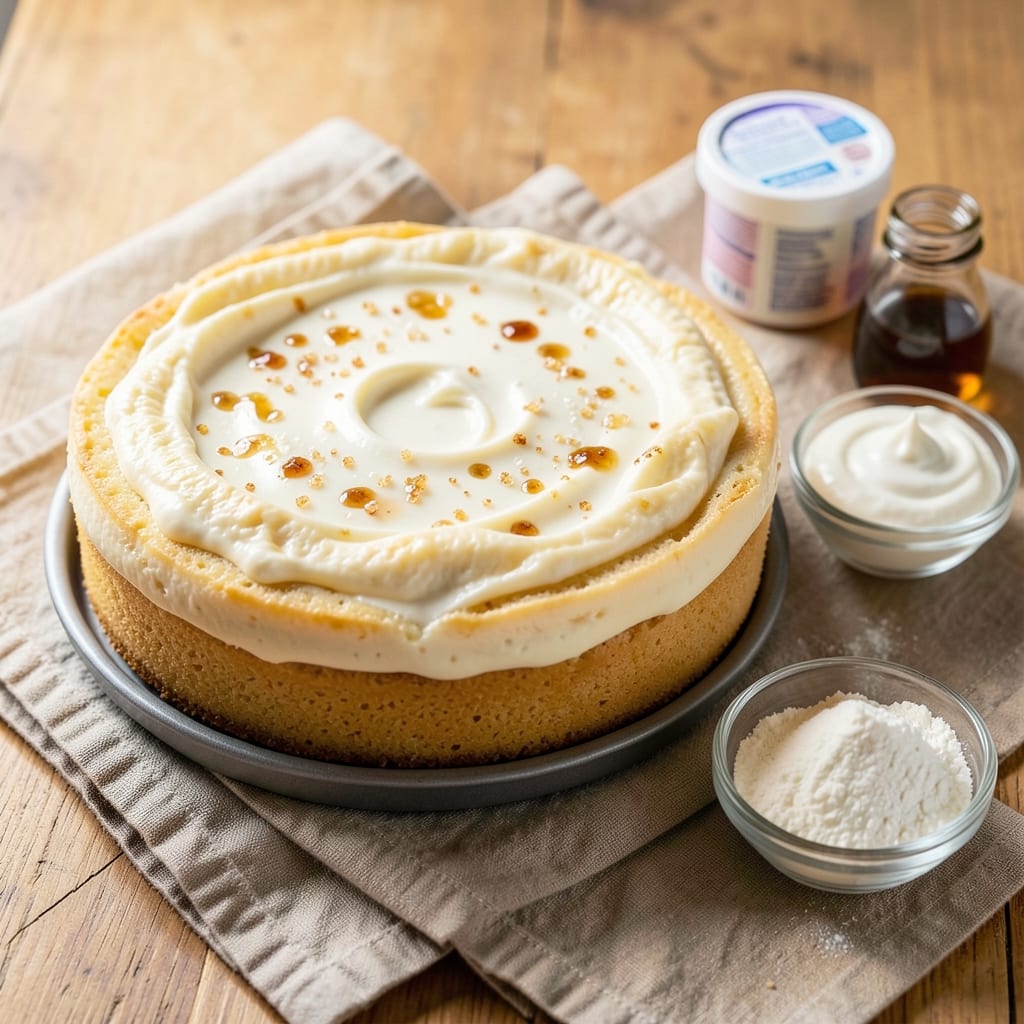
This 3-ingredient Greek yogurt cake recipe delivers restaurant-quality moistness with just one bowl and minimal effort. The secret lies in Greek yogurt's ability to replace butter while keeping the cake tender and tangy—no fancy techniques required. I've perfected this version after years of testing, and it never fails to impress with its simple prep and foolproof results.
The magic happens when Greek yogurt replaces traditional fats, creating a cake that's impossibly moist yet light. You'll need just 15 minutes of prep time, followed by 30-35 minutes in the oven at 350°F. The tangy depth from the yogurt balances sweetness perfectly, while a simple flour-sugar mix ensures the perfect texture without dryness.
What you'll end up with is a one-bowl cake that's rich, tender, and surprisingly flavorful—no one will guess it's made with just three ingredients. The crumb stays moist for days, making it perfect for meal prep or a last-minute dessert. This recipe proves that simplicity doesn't mean sacrificing quality.
Perfect for beginners or busy bakers, this cake requires no mixing bowls, no special tools, and no complicated steps. The Greek yogurt not only adds moisture but also gives the cake a subtle tang that elevates the flavor. Let's get started—your taste buds will thank you.
Ingredients for 3 ingredient greek yogurt cake
Three ingredients transform into a restaurant-worthy cake—moist, tender, and tangy without effort.
| Ingredient | Amount | Notes |
|---|---|---|
| Plain Greek Yogurt 🥛 | 1 ½ cups | Full-fat for maximum moisture |
| All-Purpose Flour 🌾 | 2 cups | Sifted for light texture |
| Granulated Sugar 🍚 | 1 ½ cups | White or light brown |
| Baking Powder 🧂 | 1 ½ tsp | Aluminum-free preferred |
| Vanilla Extract 🌿 | 1 tsp | Pure alcohol-free preferred |
| Salt 🧂 | ½ tsp | Fine sea salt |
| Unsalted Butter 🧈 | ¼ cup | Melted, for richness |
| Lemon Zest 🍋 | 1 tbsp | Brightens the tang |
The Greek yogurt is non-negotiable here—full-fat Fage or Chobani from the refrigerated section delivers that signature richness. If you're using a thinner yogurt, add 1 tbsp sour cream to compensate. The flour? King Arthur or Gold Medal brands are my go-tos—they're finely milled and consistent. For the sugar, Domino or C&Hand work perfectly, but if you want a deeper caramel note, swap half for light brown sugar. The baking powder needs to be fresh—if it smells like vinegar, toss it. Clabber Girl is a reliable brand that stays potent longer.
No Greek yogurt? Plain yogurt works at a 1:1 ratio, but the texture will be slightly denser. Out of vanilla? Almond extract at half the amount gives a similar depth, though with a nutty twist. The butter is technically optional, but that 1/4 cup makes all the difference—it rounds out the tang and adds a luxurious mouthfeel. For the lemon zest, organic lemons have more vibrant flavor, but conventional works too. If you can't find fresh, lemon juice powder (like Not Your Average brand) is a decent backup, though it lacks the bright aroma.
This cake keeps beautifully—5 days in an airtight container at room temperature, or up to 2 weeks in the fridge. For longer storage, freeze slices wrapped in plastic for 3 months. The secret to reheating? 30 seconds in the microwave with a damp paper towel—revives the moistness perfectly. I always bake two batches—one for the week, one to freeze for emergencies. The flavor actually improves overnight as the tanginess mellows into something deeper and more complex.
Why You'll Love This Recipe
- No Mixer Needed: I stir it together with a fork—no stand mixer, no electric beaters, just me and a bowl. The Greek yogurt keeps it light without requiring a single whisk stroke, and honestly? The batter’s so simple I’ve even let my kid “help” mix it.
- Tangy Sweet Magic: That yogurt brings this cake a bright, almost custardy richness that sugar alone can’t match. The vanilla ties it all together, but the secret’s the slight tang—it’s like a grown-up dessert with none of the fuss.
- Fridge-Friendly Any Day: Slice it fresh for breakfast or pack it for lunch—it stays moist for days. I’ve taken it to potlucks, school bake sales, and even my book club, and no one’s ever questioned why it’s so easy to transport.
- Pantry Staple Power: Flour, sugar, baking powder—you’ve got these. The yogurt’s the only thing you might need to grab, but it’s worth it. Between us, this is the cake I make when I’m low on time or cash, and no one’s ever noticed.
Step-by-step instructions for 3-Ingredient Greek yogurt cake
Here's how to create a tender, tangy masterpiece with just seven ingredients and one bowl.
Preheat and Prepare Your Pan
Preheat your oven to 350°F and generously grease an 8-inch round cake pan or line it with parchment paper. I like to use butter for greasing—it adds subtle richness that pairs perfectly with the yogurt's tang. Tap the pan on the counter a few times to remove any excess grease, which could create a barrier between the cake and pan.
Place the pan on a baking sheet to catch any potential drips, though this cake is unlikely to overflow. The key here is ensuring the sides don't stick—this is where the yogurt's moisture content becomes our secret weapon for effortless release.
Combine Wet Ingredients
In a large mixing bowl, combine the 1.5 cups plain Greek yogurt, 1.5 cups granulated sugar, and 1 tbsp lemon zest. Mix with a whisk or rubber spatula until the sugar dissolves completely and the lemon zest is evenly distributed. You'll notice the mixture immediately takes on a bright, citrusy hue—this is your first indication of the cake's flavor profile.
Next, melt the 0.25 cup unsalted butter in a microwave-safe bowl for 20-30 seconds or until completely liquid. Let it cool slightly, then stir it into the yogurt mixture. The butter should incorporate smoothly, creating a thick, velvety batter. If it looks too thin, don't worry—the flour will thicken it in the next step.
Add Dry Ingredients
In a separate bowl, sift together the 2 cups all-purpose flour, 1.5 tsp baking powder, 0.5 tsp salt, and 1 tsp vanilla extract. Sifting is crucial here—it prevents lumps and ensures even distribution of the baking powder, which guarantees a light, airy texture rather than dense cake.
With the mixer on low speed or using a spatula, gently fold the dry ingredients into the wet mixture. Be careful not to overmix—just combine until the flour is mostly incorporated and a few streaks remain. The batter should be thick but pourable, with a consistency similar to heavy pancake batter. If it's too thick, you can add 1-2 tablespoons of milk (though this isn't one of our three ingredients, it's a quick fix if needed).
Bake to Golden Perfection
Pour the batter into your prepared cake pan and smooth the top with a spatula. Tap the pan gently on the counter to release any air bubbles that might have formed during mixing. Place the pan in the center rack of your preheated oven and bake for 30-35 minutes, or until a toothpick inserted in the center comes out clean.
Here's where the magic happens: the yogurt's moisture content creates steam during baking, which keeps the cake incredibly moist even after cooling. The lemon zest infuses subtle citrus notes throughout, while the butter adds richness that balances the tang. The cake is done when the edges are lightly golden and the center springs back when gently pressed.
Cool and Serve
Remove the cake from the oven and let it cool in the pan for 10 minutes. This brief cooling period allows the cake to set slightly, making it easier to remove without crumbling. Run a knife around the edges to loosen it from the pan, then invert the cake onto a wire rack or plate.
Let the cake cool completely before slicing—this ensures clean cuts and prevents the layers from falling apart. The finished cake should have a tender crumb with a subtle tang from the Greek yogurt, balanced by the sweetness of the sugar and the bright citrus notes from the lemon zest. Serve it at room temperature for the best texture and flavor experience.
Pro Tips For Making 3 Ingredient Greek Yogurt Cake
- Whisk Yogurt First: Mix the Greek yogurt with the sugar and vanilla until it’s completely smooth before adding the dry ingredients. I learned this the hard way—lumpy yogurt means a dense, uneven cake, and nobody wants that. A quick 30-second whisk with a fork does the trick.
- Sift the Flour: Skip the sifting? Your cake will be tougher and less fluffy. Lightly sift the flour and baking powder together—it aerates the batter and makes all the difference. (Yes, even if you’re impatient like me.)
- Avoid Overmixing: Once you add the flour, mix just until combined—no need to stir like you’re making pancakes. Overmixing develops gluten, and that turns your tender cake into a chewy brick. Stop when there’s no flour streaks left.
- Bake Until Golden: The cake’s done when the top springs back when pressed and turns golden—not when the timer dings. Underbaking leaves it gummy; overbaking dries it out. A toothpick test works, but trust your eyes too.
Troubleshooting this dish
Cake Too Dense
If your cake turns out dense instead of tender, the yogurt might be too thick or the baking powder old. I’ve found that whipping the yogurt first for 1-2 minutes incorporates air, lightening the texture. Also, ensure your baking powder is fresh—if it smells like vinegar, replace it. For extra insurance, add 1 tsp apple cider vinegar to the wet ingredients to activate the baking powder fully.
Dry or Crumbly Texture
A dry cake usually means overbaking or insufficient moisture. Pull it from the oven when a toothpick comes out with moist crumbs (not clean). If the cake is still dry after cooling, try adding 1 tbsp sour cream or milk to the batter next time. For extra moisture, brush warm slices with simple syrup (equal parts sugar and water, heated until dissolved) before serving.
Sticking to the Pan
Sticking happens when the pan isn’t properly greased or the yogurt’s moisture isn’t accounted for. Always use butter or baking spray (like Baker’s Joy) for greasing—oil alone won’t cut it. Tap the pan gently on the counter after adding batter to release air bubbles, which can create separation. For stubborn cakes, invert the pan onto a wire rack immediately after the 10-minute cooling period—this helps release it cleanly.
Uneven Baking
Hot spots in your oven cause uneven baking. Rotate the pan halfway through baking (after 15-17 minutes) to ensure even heat distribution. If your oven runs hot, reduce the temperature to 325°F and add 5-10 minutes to the bake time. A thermometer (like OXO’s) can help monitor the oven’s accuracy—aim for 350°F ± 25°F.
Soggy Bottom
A soggy bottom is often caused by steam buildup or an underbaked center. To fix this, place the pan on a baking sheet with a ½-inch layer of water (like a water bath) during the first 15 minutes of baking. This steams the cake evenly. After that, remove the water and finish baking as directed. For a firmer base, bake the cake for 1-2 minutes longer after the toothpick test.
Flat Top
A flat top usually means the oven wasn’t hot enough or the batter was overmixed. Preheat your oven for at least 15 minutes before baking to ensure it reaches 350°F. Also, avoid overmixing the batter—just fold the dry ingredients until just combined. For a domed top, try baking in a 9-inch pan instead of 8-inch, or add ½ tsp extra baking powder for lift.
Nutrition facts
Frequently asked questions
Can I make this cake without butter?
The butter adds richness, but you can substitute it with 2 tbsp neutral oil (like vegetable or canola) or 2 tbsp melted coconut oil for a dairy-free version. The texture will be slightly less tender, but still delicious. For extra moisture, add 1 tbsp extra Greek yogurt to compensate.
Why does my cake taste too tangy?
Too much Greek yogurt or old baking powder can amplify the tang. For a milder flavor, reduce the yogurt to 1.25 cups and add 1 tbsp sour cream instead. Also check your baking powder—if it smells vinegary, replace it. A pinch of cream of tartar (¼ tsp) in the dry ingredients helps balance acidity.
Can I use this recipe for cupcakes?
Yes! Divide the batter into 12 greased mini muffin cups (fill ⅔ full) and bake at 350°F for 12-15 minutes. The smaller size means they'll cook faster. For extra stability, line the pan with cupcake liners. These make perfect single-serving desserts or breakfast treats with a dollop of yogurt on top.
How can I make this cake more flavorful?
Try these easy upgrades: Add 1 tsp cinnamon to the dry ingredients for warmth, or swap ½ cup sugar for honey in the wet mix. For chocolate lovers, fold in ½ cup cocoa powder with the flour. A sprinkle of toasted nuts or citrus glaze (powdered sugar + lemon juice) on top adds gourmet appeal.
What's the best way to store leftovers?
Wrap slices tightly in plastic wrap or store in an airtight container at room temperature for 3 days. For longer storage, refrigerate for up to 1 week or freeze for 3 months. To revive, microwave for 10-15 seconds with a damp paper towel over the slice—this restores moisture perfectly.