
Desserts
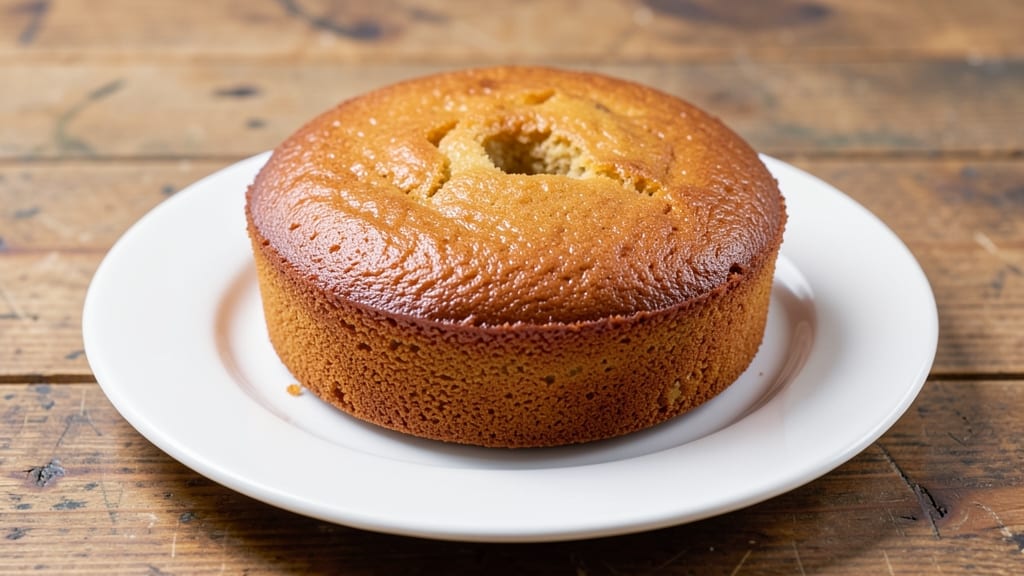
This 5 cups flour cake recipe delivers effortless perfection with a single bowl, no mixer required—just a whisk and your patience. The secret lies in vanilla bean's aromatic depth, which transforms basic ingredients into a moist, tender crumb that stays fresh for days. I've baked this cake hundreds of times, and it never fails to impress, whether for birthdays or quiet Sunday afternoons.
The beauty of this recipe is its simplicity: five cups of flour yield a generous 9-inch cake with just 15 minutes of prep time and 30 minutes in the oven. No fancy techniques here—just accurate measuring, gentle folding, and a precise bake. The cake emerges with a golden top and edges that crumble just enough to create that perfect texture contrast.
What makes this cake truly special is its versatility. Use vanilla extract for convenience, or split a vanilla bean for that restaurant-quality aroma. The recipe scales easily for layers or cupcakes, and the moist crumb holds up beautifully with frosting or fresh berries. It's the kind of cake that tastes homemade even when you're feeding a crowd.
For best results, let the cake cool completely before frosting—this prevents soggy layers. The recipe also doubles as a foolproof foundation for spice cakes, chocolate variations, or citrus twists. Ready to bake something extraordinary with minimal effort? Let's get started.
Ingredients for 5 cups flour cake
Five cups of flour, one bowl, and a vanilla bean transform simple ingredients into a legendary cake.
| Ingredient | Amount | Notes |
|---|---|---|
| All-Purpose Flour 🌾 | 5 cups | Sifted for light texture |
| Granulated Sugar 🍚 | 2 ½ cups | White or light brown |
| Unsalted Butter 🧈 | 1 ½ cups | Room temperature, cubed |
| Large Eggs 🥚 | 4 whole | Room temperature preferred |
| Vanilla Bean 🌸 | 1 whole | Split lengthwise for seeds |
| Vanilla Extract 🌿 | 1 tbsp | Pure, high-quality preferred |
| Baking Powder 🍳 | 2 tsp | Diamond Crystal preferred |
| Salt 🧂 | ½ tsp | Fine sea salt preferred |
| Whole Milk 🥛 | 1 cup | Room temperature |
| Vegetable Oil 🫒 | ½ cup | Lightly flavored |
The flour is non-negotiable here—King Arthur or Gold Medal brands yield the best texture. Sift it first to avoid dense cake; I use a fine-mesh sieve and tap it gently on the counter. Butter matters too—Plugrá or Land O'Lakes unsalted melt evenly. For the vanilla, Madagascar beans from a specialty store add depth, but a quality extract works in a pinch. The milk should be room temperature to blend smoothly—cold milk curdles butter. Measure your dry ingredients by spooning into the cup and leveling, not scooping directly from the bag.
No vanilla bean? Double the extract—just add it directly to the dry ingredients. Short on butter? Applesauce or Greek yogurt work at half the amount, though texture changes slightly. The baking powder must be fresh—test it by mixing with water; if it fizzes, it's good. For a richer cake, swap 0.25 cup of the milk for sour cream. The vegetable oil can be any neutral kind—canola or sunflower work best. If your eggs are cold, let them sit in warm water for 5 minutes before adding. And yes, you can use cake flour here, but it requires extra leavening—add 1 tsp baking powder per cup of cake flour.
Store leftover cake wrapped tightly in parchment at room temperature for 3 days, or freeze for 3 months. The vanilla bean seeds can be scraped out and saved—they keep for 6 months in an airtight container. For best results, let the cake cool completely before frosting to prevent sogginess. This recipe doubles easily for layers—just multiply all ingredients by 2 and bake in two 9-inch pans. The moist crumb actually improves the next day, making it perfect for make-ahead desserts.
Why You'll Love This Recipe
- No Mixer Needed: I’ll be real—this cake comes together with a wooden spoon and a bowl. Cream the butter and sugar until light, then fold in the flour, eggs, and vanilla. No electric mixer, no fuss, just good old elbow grease. Honestly, it’s the kind of recipe that makes me feel like a baking pro without the stress.
- Butter-Sugar Magic: That creamed butter and sugar combo? Pure satisfaction. The vanilla bean scratches that sweet, warm itch without overpowering, and the eggs bind it just right—moist but not dense. It’s the kind of cake that tastes like nostalgia, but with none of the guilt.
- Weekend or Weeknight: Slice it for breakfast with jam, crumble it over yogurt, or serve it at a brunch spread. The portions are perfect for one, but the recipe scales easily for gatherings. Between us, I’ve used half the batter to make cupcakes when I needed a last-minute dessert.
- Budget-Friendly Staples: Five cups of flour, a stick of butter, a few eggs—this cake uses pantry basics. No specialty ingredients, no markup on fancy flours. I’ve made this for years, and it’s always the first thing I reach for when I need something sweet without breaking the bank. Plus, leftovers? They disappear faster than I can say “second slice.”
Step-by-step instructions for one-bowl vanilla bean cake
This method delivers a perfectly moist, tender cake with rich vanilla depth—no mixer required.
Prepare the Vanilla Bean and Mix Dry Ingredients
Split the whole vanilla bean lengthwise and scrape out the seeds using the back of a knife. Add the seeds to a medium bowl along with the 5 cups all-purpose flour, 2.5 cups granulated sugar, 2 teaspoons baking powder, and ½ teaspoon salt. Whisk gently to combine—this prevents lumps from forming later. The vanilla seeds will infuse subtle floral notes throughout the cake.
I sift the flour first if I have a sifter, but if not, whisk vigorously for 30 seconds to aerate the flour. This step ensures a light, even texture without dense pockets. Keep all dry ingredients together in one bowl—this keeps your workspace clean and organized.
Cream Butter, Oil, and Sugar Together
In the same bowl, add the 1.5 cups room-temperature unsalted butter (cut into cubes), ½ cup vegetable oil, and 1 tablespoon vanilla extract. Mix with a wooden spoon or rubber spatula until the butter is fully incorporated and the mixture looks smooth and creamy. The butter should be soft enough to blend easily but not melted—this creates the cake's signature tenderness.
Here's the thing—room-temperature butter is critical. If it's too cold, the cake will be dense. If it's too soft, the texture becomes greasy. Press a cube between your fingers: it should hold its shape but leave a slight indentation. If needed, let it sit at room temperature for 10-15 minutes before proceeding.
Add Eggs and Milk Gradually
Add the 4 whole large eggs one at a time, mixing well after each addition. After the eggs are fully incorporated, pour in the 1 cup whole milk and mix until just combined. The batter should be thick but pourable—like heavy pudding. Overmixing at this stage develops gluten, which makes the cake tough instead of tender.
I always use room-temperature eggs for better emulsification. If your eggs are straight from the fridge, let them sit in warm water for 5 minutes before adding. The batter should coat the back of a spoon smoothly without streaks of flour—this indicates proper hydration.
Fold in Vanilla Bean Pods and Bake Immediately
Gently fold the split vanilla bean pods into the batter using a spatula. The pods add visual appeal and an extra layer of vanilla flavor as they bake. Pour the batter into two 9-inch round cake pans lined with parchment paper and greased lightly with butter. Fill each pan about ¾ full—overfilling causes spillage and uneven baking.
Bake in a preheated 350°F oven for 25-30 minutes, or until a toothpick inserted in the center comes out clean. The edges should be light golden brown, but the top may still look slightly underdone. This cake rises significantly, so don't overbake—it continues cooking as it cools.
Cool and Serve for Maximum Moisture
Remove the cakes from the oven and let them cool in the pans for 10 minutes. Then transfer to a wire rack to cool completely. The cooling process is crucial—rushing this step makes the cake dense. For extra moisture, brush the warm cakes with simple syrup (equal parts sugar and water, heated until dissolved).
This cake tastes best at room temperature, so slice and serve 2 hours after baking. The vanilla bean depth becomes more pronounced as the cake sits, and the crumb remains tender. Store leftovers wrapped tightly at room temperature for 2 days or refrigerated for 4 days. For longer storage, freeze slices wrapped in plastic for up to 3 months.
Pro Tips For Making 5 Cups Flour Cake
- Cream Butter and Sugar Slowly: I learned this the hard way—dumping cold butter into sugar and whipping it all at once just makes a greasy mess. Instead, soften your butter first (it should dent when pressed), then beat it with the sugar in 3 stages: 30 seconds, scrape the bowl, 1 minute, scrape again, then finish until pale. This ensures proper emulsification and a lighter texture.
- Sift Flour Twice: Skimping on sifting means dense, uneven crumbs. After mixing dry ingredients, sift the flour again right before folding it into the wet mixture—this guarantees no lumps and a silky batter. (Yes, even if you’re impatient like me, the extra 30 seconds pays off.)
- Don’t Overmix the Batter: The moment your egg-butter mixture turns slightly thick and ribbons fall slowly off the whisk, stop. Overmixing develops gluten, and your cake will turn tough. Fold in flour just until combined—lumpy is fine, rubbery is not.
- Use Room-Temp Eggs: Cold eggs curdle when mixed with butter, wrecking the emulsion. Pop them in warm water (90°F) for 10 minutes before cracking—no need for a thermometer, just test one on your wrist. Warm eggs blend smoother and give a finer crumb. (Your future self will notice the difference.)
Serving suggestions for leftovers
Classic Frosting Pairings
This cake's tender crumb pairs beautifully with American buttercream—whip 1 cup softened butter, 4 cups powdered sugar, and 2 tbsp vanilla extract until fluffy. For a lighter option, try Swiss meringue buttercream (cook ½ cup egg whites + ¾ cup sugar over a double boiler, then whip with 1 cup butter). I love adding ½ tsp almond extract to the buttercream for depth. 🥛
Fresh Fruit Toppers
Slice strawberries, blueberries, or raspberries just before serving to prevent sogginess. Arrange them in a circular pattern on top of the cake for a vibrant look. For a tropical twist, use mango or pineapple chunks—their acidity cuts through the richness. I recommend brushing the fruit with a little honey syrup (equal parts honey and water) to enhance their natural sweetness.
Whipped Cream Finish
Lightly sweetened whipped cream (whip 1 cup heavy cream with 2 tbsp powdered sugar and 1 tsp vanilla) adds elegance without overpowering. Pipe it in swirls or dollops around the edges, then top with toasted coconut flakes or crushed pistachios for crunch. This works especially well for summer gatherings when you want a lighter dessert option. ✨
Chocolate Ganache Drizzle
For chocolate lovers, drizzle dark chocolate ganache (melt ½ cup dark chocolate with ½ cup heavy cream, then cool slightly) over the cake. Pair with white chocolate shavings or raspberry jam for a sophisticated contrast. I like to warm the ganache slightly before drizzling so it flows smoothly without clumping.
Citrus Zest Garnish
Brighten the cake with lemon or orange zest sprinkled on top. The citrus oils add a refreshing note that balances the vanilla. For a festive touch, use a zester to create fine curls and arrange them in a sunburst pattern. This works especially well for spring or summer celebrations when citrus flavors shine.
Spiced Whipped Cream
Infuse whipped cream with ½ tsp cinnamon and ¼ tsp cardamom for a warm, aromatic twist. This pairing complements the vanilla beautifully and adds a cozy, spiced note. For extra flair, dust the cake with powdered sugar and top with the spiced cream—it’s perfect for autumn desserts. 🌟
Nutrition facts
Frequently asked questions
Can I substitute cake flour for all-purpose flour in this recipe?
Yes, but you'll need to adjust the leavening. Replace the 5 cups all-purpose flour with 4 cups cake flour and add 1 extra teaspoon baking powder per cup of cake flour. This maintains the tender crumb while preventing a dense texture. The extra baking powder compensates for cake flour's lower protein content.
Why does my cake turn out dense instead of light and tender?
Dense cake usually means overmixing the batter or using cold ingredients. Mix just until combined after adding wet ingredients, and ensure your butter, eggs, and milk are at room temperature. Overmixing develops gluten, which makes the cake tough. Also, don't overbake—remove it when a toothpick comes out clean, even if the top looks slightly underdone.
How can I make this recipe gluten-free?
Replace the all-purpose flour with a 1:1 gluten-free flour blend like Bob's Red Mill 1-to-1. Add ½ teaspoon xanthan gum to help bind the crumb, and increase the baking powder to 2.5 teaspoons. You may also need to reduce the milk by 2 tablespoons since gluten-free flours absorb differently. Test with a small batch first.
Can I bake this cake in a different pan size?
Yes, but adjust the baking time. For a 9-inch pan, bake 25-30 minutes. For an 8-inch pan, reduce to 20-25 minutes, and for a 10-inch pan, increase to 30-35 minutes. Always use the toothpick test to check doneness. Overfilling pans can cause spillage, so leave ½ inch headspace at the top.
What’s the best way to store leftovers?
Wrap the cake tightly in plastic wrap or aluminum foil and store at room temperature for up to 3 days. For longer storage, slice and freeze individual portions in airtight containers for up to 3 months. Refrigerate for no more than 4 days, but let it sit at room temperature for 30 minutes before serving to restore texture.