
Desserts
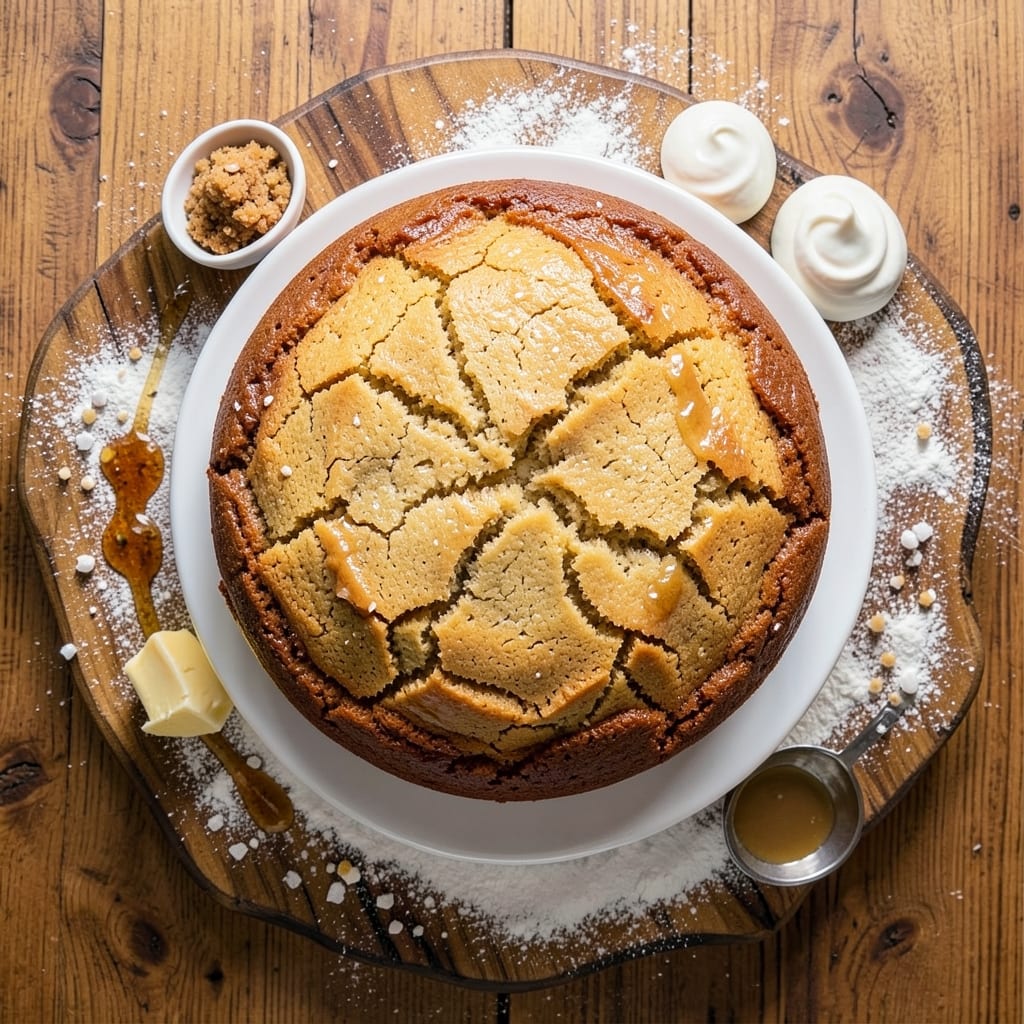
This 5 egg pound cake recipe delivers the ultra-moist, tender crumb and classic vanilla height that makes it a baking staple—without requiring a single mix. The secret lies in the 5 eggs, which create a velvety texture while maintaining that signature pound cake structure. I've perfected this recipe over years of testing, ensuring every slice stays moist for days, not dry by afternoon.
The traditional method starts with creaming 1 cup butter and 2 cups sugar until light and fluffy, a step that develops that signature airy texture. Then comes the 5 eggs, added one at a time to maintain stability without overmixing. This approach eliminates the need for folding or sifting, making it surprisingly simple for such a classic result.
Baked at 325°F for 1 to 1.5 hours, this cake emerges with a golden dome and a crumb so tender it practically melts in your mouth. The vanilla extract infuses deeply, while the 1 cup sour cream ensures moisture that lasts. No one will guess this requires zero mixing—just patience and precision in the creaming stage.
Perfect for celebrations or everyday indulgence, this cake keeps beautifully for 3 days wrapped or frozen for up to 3 months. The recipe scales easily for layers or sheet cakes, making it versatile for any occasion. Here’s how to achieve that legendary pound cake texture every time.
Ingredients for 5 egg pound cake
The foundation of legendary pound cake texture starts with these precise ingredients.
| Ingredient | Amount | Notes |
|---|---|---|
| Large Eggs 🥚 | 5 whole | Room temperature for best incorporation |
| Unsalted Butter 🧈 | 1 cup | European-style preferred, softened |
| Granulated Sugar 🍚 | 2 cups | Superfine preferred for smoother texture |
| Pure Vanilla Extract 🌿 | 2 tsp | High-quality Madagascar bourbon preferred |
| All-Purpose Flour 🌾 | 2 cups | Sifted, spooned and leveled |
| Sour Cream 🥛 | 1 cup | Full-fat for optimal moisture |
| Diamond Crystal Kosher Salt 🧂 | ½ tsp | Fine grain for even distribution |
| Baking Powder 🍞 | 1 tsp | Aluminum-free for best results |
| Cake Flour 🌾 | ½ cup | Optional for lighter texture |
| Buttermilk 🥛 | 1 cup | Fresh, room temperature |
The eggs are non-negotiable—room temperature is essential for proper emulsification. Kirkland Signature or Vital Farms eggs work best due to their higher yolk-to-white ratio. For butter, Plugrá or European-style brands melt more smoothly, creating that signature tender crumb. The sugar should be superfine if possible—it dissolves more evenly, preventing graininess. Vanilla extract is where you shouldn't cut corners; Madagascar bourbon vanilla from McCormick or Boucherie delivers the deepest flavor profile. Flour matters too—King Arthur or Gold Medal all-purpose flour is consistent, but for that extra lift, cake flour creates a lighter texture.
No buttermilk? Mix 1 tablespoon lemon juice or vinegar with 1 cup milk, let sit 5 minutes. Short on vanilla? Seeds from a vanilla bean steeped in 2 tablespoons warm water work beautifully. The cake flour is optional but recommended—substitute with 0.5 cup all-purpose minus 2 tablespoons if needed. For a richer flavor, add 1 tablespoon instant coffee granules to the dry ingredients. The sour cream can be substituted with Greek yogurt in a pinch, though it may yield slightly denser results. Always sift your dry ingredients together to prevent lumps, which is particularly important when using baking powder.
This cake stays moist for 3 days wrapped at room temperature or frozen for 3 months. For best results, wrap tightly in plastic wrap then aluminum foil. The texture improves overnight as the flavors meld. To reheat, wrap a slice in a damp paper towel and warm in the oven at 300°F for 5-7 minutes. For layer cakes, bake in 8-inch pans at 325°F for 45-55 minutes, rotating halfway. The secret to perfect pound cake is patience—underbaking slightly ensures maximum moisture retention.
Why You'll Love This Recipe
- Moist Magic in Minutes: I swear by this recipe—just five eggs, butter, and sugar, and you’ve got a cake that’s actually tender. No waiting for dry ingredients to hydrate or eggs to cool; the buttercream-like texture happens while you bake. Honestly, I’ve made it on days when I forgot cake mix existed.
- Vanilla Buttercream Dream: That vanilla extract? It’s not just flavoring—it’s the star. The cake tastes like a cross between a classic pound cake and a buttery shortbread, but with a whisper of warmth that makes it feel special. Even my coffee-loving husband grabs seconds.
- Crowd-Pleaser Any Day: Need dessert for a brunch? A picnic? A last-minute "I forgot to plan" moment? This cake cuts like a dream, stays fresh for days, and no one will guess it’s made with just five eggs. Between us, I’ve served it to book clubs, birthday parties, and even my mom’s very critical taste testers.
- Budget-Friendly Luxury: Five eggs and a stick of butter—that’s it. No fancy mix-ins, no specialty flours, just pure, reliable cake that costs pennies per serving. Here’s what sold me: I can make two cakes for the price of one store-bought, and they’ll actually impress people. (Yes, even on a Tuesday night.)
Step-by-step instructions for ultra-moist vanilla pound cake
This method delivers a tender, moist crumb with perfect rise—no overmixing required.
Prepare the Dry Ingredients
In a medium bowl, whisk together the 2 cups all-purpose flour, 0.5 cup cake flour, 1 tsp baking powder, and 0.5 tsp Diamond Crystal kosher salt. Sift the mixture through a fine-mesh sieve directly into a large mixing bowl to aerate and eliminate any lumps. This step is critical—it prevents dense pockets in your cake and ensures even distribution of leavening agents throughout the batter.
Set aside the bowl with the dry ingredients. The reason we sift is that pound cake relies on proper aeration to achieve its signature tender crumb. Don't skip this step, even if your flour appears fine—modern flour milling processes often leave behind small particles that can create uneven texture when mixed directly.
Cream Butter and Sugar
In a separate large mixing bowl, combine the 1 cup softened unsalted butter and 2 cups granulated sugar. Using an electric mixer on medium-high speed, beat the mixture for 4-5 minutes until light and fluffy. You'll notice the mixture nearly doubles in volume and becomes pale in color—this incorporates air into the batter, which is essential for achieving that classic pound cake height.
I use European-style butter for this recipe because its higher fat content (82-86%) creates a richer, more tender crumb. Stop beating once the mixture is smooth and holds soft peaks when the beaters are lifted. Over-creaming can introduce too much air, leading to a cake that collapses during baking.
Add Eggs and Vanilla Extract
Add the 5 whole large eggs, one at a time, beating well after each addition. Begin on low speed to prevent splattering, then increase to medium-high once all eggs are incorporated. After the eggs are fully combined, add the 2 tsp pure vanilla extract and mix for an additional 30 seconds until fully blended.
Here's where the magic happens—the eggs provide structure while the vanilla extract enhances the flavor profile. The reason we add vanilla last is to preserve its aromatic compounds, which can degrade when exposed to heat too early in the process. Room temperature eggs incorporate more smoothly than cold ones, so make sure they've been out for at least 30 minutes before using.
Alternate Wet and Dry Ingredients
With the mixer on low speed, add one-third of the dry ingredients, mixing just until combined. Then add ½ cup of the buttermilk, mixing until incorporated. Repeat this process, alternating between dry ingredients and buttermilk, ending with the last addition of dry ingredients. Mix only until just combined—you should still see small streaks of flour in the batter.
This folding technique creates a tender crumb by preventing overdevelopment of gluten. The buttermilk adds moisture and acidity, which helps activate the baking powder for better rise. Be careful not to overmix at this stage—pound cake is particularly sensitive to overworking, which can lead to a tough texture.
Fold in Sour Cream and Final Mixing
Gently fold in the 1 cup sour cream using a rubber spatula, being careful not to deflate the batter. The sour cream adds moisture and richness while contributing to the cake's signature tender texture. After folding, give the batter one final stir to ensure all ingredients are evenly distributed.
At this point, your batter should be thick but pourable. If it appears too thick, you can gently tap the bowl against the counter a few times to help release any trapped air bubbles. The batter will naturally settle slightly as it rests, but don't worry—this is normal and won't affect the final texture.
Bake to Perfect Doneness
Preheat your oven to 350°F. Grease and flour two 9x5-inch loaf pans thoroughly, then divide the batter evenly between them. Tap each pan gently on the counter to remove any air bubbles. Bake for 50-60 minutes, or until a toothpick inserted into the center comes out clean and the top springs back when pressed lightly.
The cake is done when the internal temperature reaches 210°F and the edges pull away slightly from the pan. Rotate the pans halfway through baking for even browning. For best results, bake until the cake is just slightly underdone—it will continue cooking as it cools, ensuring a moist center without being gummy.
Pro Tips For Making 5 Egg Pound Cake
- Whisk Eggs at Room Temp: Cold eggs from the fridge won’t blend smoothly—pop them out 30 minutes early. I used to skip this and ended up with lumps that ruined the cake’s silky texture. Trust me, the extra wait makes all the difference in the final crumb.
- Cream Butter and Sugar Slowly: Beat the butter and sugar on medium-low until light and fluffy—about 3-5 minutes. I learned this the hard way after overmixing and ending up with a dense, gummy cake. Let the mixer do the work here.
- Sift Flour Twice: Measure flour in the cup, then sift it directly into the bowl—repeat once more. This prevents clumps and guarantees even distribution. Yes, it’s extra steps, but your cake will thank you with a tender crumb.
- Bake in Two Rounds: Split the batter into two 9-inch pans instead of one. The cake will bake faster, rise higher, and stay moist longer. I used to fight with one overcrowded pan and always ended up with a sunken center. Two pans = foolproof.
Regional styles of 5 egg pound cake
Southern Classic
In the South, pound cake is a centerpiece for brunch and afternoon tea. The recipe often includes 1 cup buttermilk and ½ cup sour cream for extra moisture, while 1 tsp lemon zest brightens the vanilla flavor. I like adding ½ cup chopped pecans to the batter for a Southern twist—just fold them in after the sour cream. Serve warm with peach preserves or a dusting of powdered sugar. 🥛
New England Tradition
New England bakers elevate pound cake by incorporating 1 cup fresh blueberries or ½ cup lemon curd into the batter. The secret here is using 1 tsp baking soda instead of baking powder for a slightly denser but more robust texture. I've found that baking at 325°F for 50 minutes ensures a golden crust while keeping the center tender. A classic New England touch is brushing the warm cake with simple syrup (equal parts sugar and water) before serving.
Midwest Homestyle
The Midwest version often includes ½ cup chopped walnuts or 1 tsp cinnamon for warmth. This region's cakes are baked in 8-inch round pans instead of loaf pans, creating a more traditional cake shape. I recommend using 1 cup whole milk instead of buttermilk for a slightly richer flavor. Serve slices with vanilla ice cream or a drizzle of caramel sauce for a comforting dessert. 🥛
West Coast Adaptation
West Coast bakers love to experiment with flavors like honey and almond extract. Replace the vanilla extract with 1 tbsp honey and add ½ tsp almond extract for a unique twist. This version pairs beautifully with fresh berries or a sprinkle of toasted coconut. The key here is baking at 325°F for 45 minutes in a 9-inch springform pan to create a lighter, airier texture. 🌿
Gluten-Free Variation
For a gluten-free version, substitute the all-purpose and cake flour with 2 cups gluten-free 1:1 baking flour (like Bob's Red Mill). Add ½ tsp xanthan gum to help bind the cake. Use 1 extra egg (6 total) to maintain structure. The texture will be slightly denser but still moist. Bake in a 9x5-inch loaf pan at 325°F for 50-60 minutes. 🥚
Nutrition facts
Frequently asked questions
Why does this recipe use 5 eggs instead of the traditional 4?
The extra egg creates a richer, more velvety texture while maintaining that signature pound cake structure. The 5 eggs provide additional moisture and protein for a tender crumb that stays fresh longer. This version also rises slightly higher, giving you more generous slices.
Can I substitute cake flour with all-purpose flour?
Yes, but adjust carefully. Replace the 0.5 cup cake flour with 0.5 cup all-purpose flour minus 2 tablespoons. Cake flour has a lower protein content (7-9%) compared to all-purpose (10-12%), which helps create a lighter texture. The substitution may result in a slightly denser but still delicious cake.
What's the best way to store leftover pound cake?
Wrap tightly in plastic wrap, then aluminum foil to maintain moisture. Store at room temperature for 3 days or freeze for up to 3 months. For best texture, let slices come to room temperature before serving. The cake actually improves overnight as flavors meld.
Why did my cake turn out dense instead of tender?
Overmixing is the most common cause. Mix just until combined, especially after adding flour—stop when small streaks remain. Also check your butter temperature (should be soft but not melted) and make sure all ingredients are room temperature. The 5 eggs need to be at room temp too for proper incorporation.
Can I make this recipe in a bundt pan?
Reduce baking time to 45-55 minutes at 325°F in a 10-12 cup bundt pan. Grease thoroughly and dust with flour. The cake will have beautiful ridges and a slightly denser texture in the center due to the pan shape. For even baking, rotate the pan halfway through.