
Desserts
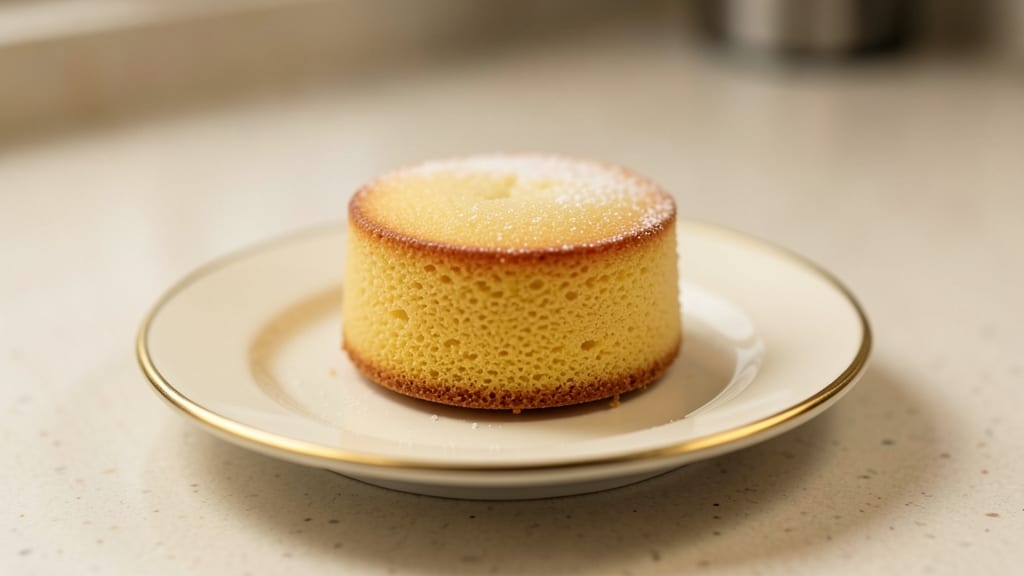
This 6-inch sponge cake delivers restaurant-quality lightness and perfect rise—all in a single tin. The secret lies in precise technique and patience, transforming simple ingredients into a delicate, airy dessert that's perfect for individual servings or elegant layering. I've refined this recipe over years to ensure consistent results every time, with a tender crumb and golden edges that make it irresistible.
The key to success is folding the egg whites just enough to create volume without deflating the batter, then baking at the right temperature for even rise. With 350°F heat and 20-25 minutes in the oven, you'll achieve a cake that's tender yet sturdy enough to hold fillings or frosting. The small size makes it ideal for special occasions or when you want to impress with minimal effort.
What sets this recipe apart is its foolproof method for achieving that signature light, fluffy texture—no special equipment required. The batter comes together quickly, and the baking time is short enough to keep your kitchen from overheating. Once cooled, the cake maintains its structure perfectly, ready for your favorite frosting or fruit filling.
Whether you're preparing for a celebration or simply craving a delicate treat, this 6-inch sponge cake delivers professional results with minimal fuss. The perfect balance of simplicity and elegance makes it a go-to for any occasion. Let's get started!
Ingredients for 6 inch sponge cake
Nine simple ingredients transform into a delicate, airy masterpiece—perfect for one tin, four servings of elegance.
| Ingredient | Amount | Notes |
|---|---|---|
| Unsalted Butter 🧈 | ½ cup | Room temperature for best mixing |
| Granulated Sugar 🍚 | 1 cup | Superfine preferred for smooth texture |
| Large Eggs 🥚 | 4 whole | Room temperature, separated |
| All-Purpose Flour 🌾 | ¾ cup | Sifted for lightness, plus extra for pan |
| Cream of Tartar 🧂 | ¼ tsp | Stabilizes egg whites |
| Vanilla Extract 🌿 | 1 tsp | Pure Madagascar preferred |
| Salt 🧂 | ¼ tsp | Fine sea salt for balance |
| Cornstarch 🌾 | 1 tbsp | For tender crumb |
| Lemon Zest 🍋 | 1 tsp | Fresh, finely grated |
| Powdered Sugar 🍚 | ½ cup | For dusting finished cake |
| Vegetable Oil 🫒 | 1 tbsp | Light coating for tin |
The butter and eggs are your foundation—room temperature is non-negotiable (stick them in warm water for 10 minutes if needed). For the flour, King Arthur or Gold Medal brands are my go-to—they're sifted and consistent. The cream of tartar might be hiding in your spice drawer, but if not, grab it at Williams Sonoma or any baking section. Fresh lemon zest makes all the difference—zest only the yellow part (no white pith). The vanilla extract? Madagascar bourbon is worth the splurge for that deep, rich flavor. Preheat that oven to 350°F while you mix, because timing is everything for that perfect rise.
No cream of tartar? Substitute 0.5 tsp lemon juice—it works in a pinch, though it's not as stable. Short on powdered sugar? Sift regular granulated sugar for a close substitute. For a citrus twist, swap lemon zest for orange or lime—just keep the amount the same. The vegetable oil is key for greasing the pan; avoid butter as it can burn. If you're feeling fancy, add 1 tbsp toasted almond flour to the dry ingredients for subtle depth. And trust me on the superfine sugar—it dissolves better and prevents graininess in the final cake.
This batter is delicate—mix just until combined, then fold in those egg whites like you're tucking in a baby. Bake in a 6-inch round pan (lightly greased with oil) for 20-25 minutes—the edges should be golden, but the center should still jiggle slightly. Cool for 10 minutes in the pan, then transfer to a wire rack. Dust with powdered sugar while still warm for that restaurant-quality finish. Store wrapped at room temperature for 2 days or refrigerated for up to 5 days—though it's usually gone in hours. Freeze for up to 3 months if you're planning ahead.
Why You'll Love This Recipe
- No Mixer Needed: I’ll admit, I only own a hand mixer—and this recipe doesn’t miss it. Creaming the butter and sugar by hand gives it that signature lightness, but even if you’re really in a rush, a sturdy fork in a bowl works. The secret’s in the slow folding of the egg whites (thanks, cream of tartar for the stability!), and honestly? It’s more satisfying than any machine could be.
- Butter-Sugar Magic: That first bite—where the outside has just enough structure to hold a cup of tea, but the inside? Melt-in-your-mouth tender. The butter isn’t just melted in; it’s whipped with the sugar until it’s pale and fluffy, which means every layer is rich but never greasy. And the eggs? Fully incorporated, so no dry spots. It’s the kind of cake that makes you close your eyes and think, “This is why I bake.”
- Layering Made Simple: Between us, I’ve ruined layer cakes before—too much frosting, uneven slices, the whole disaster. This 6-inch version? It’s the perfect size for one layer (hello, single-serve desserts) or stack two for a crowd. Use it for breakfast with jam, dessert with whipped cream, or even a fancy afternoon tea—no stress, just versatility. The cream of tartar keeps it light enough to slice cleanly, too.
- Budget-Friendly Staples: I keep this recipe on repeat because it uses pantry basics—no specialty ingredients, no pricey shortcuts. A stick of butter, a few eggs, flour you already own. The cream of tartar? A dollar at the store, and it’s the reason this cake stays airy instead of dense. Plus, it makes two cakes (or one big one), so leftovers? Always delicious the next day, toasted lightly with a smear of butter. Minimal cost, maximum reward.
Step-by-step instructions for 6-Inch sponge cake
This method delivers a perfectly light, airy sponge with a tender crumb and elegant rise every time.
Prepare Your Tools and Ingredients
Preheat your oven to 350°F and position a rack in the center. Lightly grease a 6-inch round cake pan with 1 tablespoon vegetable oil, then dust with flour, tapping out any excess. I like to use a silicone mat for easy release—just make sure it's well-coated.
While the oven heats, separate the 4 whole large eggs, placing yolks in one bowl and whites in another. Room-temperature eggs whip better, so if they're cold, let them sit at room temperature for 30 minutes. The whites should be completely clear with no yolk traces—use a fine-mesh sieve if needed for perfect separation.
Whip Egg Whites to Stiff Peaks
In a clean, grease-free bowl, beat the egg whites with the 0.25 teaspoon cream of tartar on medium speed until foamy. Gradually increase to high speed and whip for 5-7 minutes until stiff peaks form when you lift the beaters—this means the meringue holds its shape without collapsing.
I press the tip of the whisk into the meringue to test readiness. If it leaves a clean indentation that holds, you're good to go. The meringue should be glossy and hold its shape when you turn the bowl upside down. Add the 1 teaspoon lemon zest and 0.25 teaspoon salt now—the acidity stabilizes the meringue and brightens the flavor.
Cream Butter and Sugar
In a separate bowl, beat the 0.5 cup unsalted butter and 1 cup granulated sugar on medium speed until light and fluffy—about 3-5 minutes. The mixture should nearly triple in volume and become pale. This step aerates the butter, creating a tender crumb.
Here's the thing—don't rush this step. You'll know it's ready when you drag a spoon through the mixture and the trail holds its shape briefly. Add the 1 teaspoon vanilla extract and mix for another 10 seconds to infuse the flavor evenly. The butter should be completely incorporated with no lumps.
Fold Everything Together
Gently fold one-third of the egg whites into the butter mixture using a spatula, cutting through the center to maintain air incorporation. Then fold in the 0.75 cup all-purpose flour and 1 tablespoon cornstarch that's been sifted together. Fold just until combined—overmixing develops gluten and makes the cake dense.
Now fold in the remaining egg whites in two additions, being careful not to deflate the meringue. The batter should be thick but pourable, with ribbons that hold their shape when you lift the spatula. If it's too thick, add a few more whites to maintain lightness. Pour the batter into your prepared pan and smooth the top with an offset spatula.
Bake to Golden Perfection
Bake for 25-30 minutes until the top is golden and springs back when pressed gently. The edges should pull away slightly from the pan, and a toothpick inserted in the center should come out clean. Don't overbake—the cake will continue cooking as it cools.
Let the cake cool in the pan for 10 minutes, then invert onto a wire rack to cool completely. Once cooled, dust the top with 0.5 cup powdered sugar sifted through a fine-mesh sieve for a professional finish. This delicate layer adds sweetness and visual appeal without weighing down the tender crumb.
Pro Tips For Making 6 Inch Sponge Cake
- Whip Butter and Sugar Cold: Take the butter straight from the fridge—no softening at room temp. I learned this the hard way after one batch turned into dense, greasy cake. The cold butter traps more air when whipped with sugar, giving you that light, fluffy texture you’re after.
- Separate Eggs Like a Pro: Crack eggs into a separate bowl first, then strain yolks and whites through a fine-mesh sieve to remove any hidden bits of shell or membrane. This keeps your meringue smooth and prevents gritty surprises in the final cake—trust me, you’ll notice the difference.
- Don’t Overmix the Flour: Fold the sifted flour into the batter just until combined—no more. I used to think extra mixing would guarantee even texture, but it actually deflates the air bubbles and makes the cake dense. Stop when the flour streaks disappear.
- Preheat Pan and Oven Together: Place your 6-inch pan in the oven while it’s preheating—this ensures even heat distribution from the start. I skipped this once, and the cake baked unevenly, with a pale center and overbrowned edges. A little extra time now saves a lot of frustration later.
Perfect pairings for these flavors
Fruit Fillings
Brighten your sponge with fresh fruit fillings that complement its delicate texture. I love raspberry jam made from 2 cups fresh raspberries, 2 tbsp sugar, and a pinch of lemon juice, simmered until thickened. For a lighter option, blend 1 cup strawberries with 1 tbsp honey and 1 tsp lemon juice, then strain to remove seeds. Spread 2-3 tablespoons of filling between two cake layers or pipe decorative swirls on top for an elegant finish. 🍓
Creamy Frostings
For a classic touch, whip ½ cup heavy cream with 2 tablespoons powdered sugar and ½ teaspoon vanilla extract until soft peaks form. This light Italian meringue buttercream is my go-to—mix ½ cup softened butter, 1 cup powdered sugar, and 2 tablespoons meringue powder, then whip until fluffy. For a citrus twist, add 1 teaspoon lemon zest to the buttercream. Pipe swirls or spread thinly for a clean, elegant look. 🍰
Chocolate Drizzles
Melt ½ cup dark chocolate (I use 70% Valrhona) with 1 tablespoon coconut oil over a double boiler, then drizzle over the cake while still warm. For extra decadence, add 1 tablespoon whipped cream to the melted chocolate before drizzling. A sprinkle of crushed hazelnuts or sea salt flakes adds texture and contrast. This pairing is perfect for chocolate lovers who want a sophisticated touch. 🍫
Citrus Glazes
Simmer ½ cup orange juice with ¼ cup sugar and 1 teaspoon cornstarch until thickened, then brush over the cooled cake. For a lemon variation, blend ½ cup lemon juice with ½ cup powdered sugar until smooth. This glaze adds a refreshing tang that cuts through the richness of the sponge. Serve with fresh berries for a vibrant presentation. 🍋
Coffee Infusions
Enhance your cake with a coffee-infused glaze by mixing 2 tablespoons strong brewed coffee with ½ cup powdered sugar and 1 teaspoon vanilla. Drizzle over the cake and let it set for 10 minutes before serving. For an espresso twist, fold 1 tablespoon instant espresso powder into the buttercream. This pairing is ideal for afternoon tea or dessert courses. ☕
Herbal Garnishes
Add a fragrant touch with fresh mint leaves or edible flowers like violets. Lightly dust the cake with powdered sugar and place garnishes on top for a restaurant-worthy finish. For a floral note, infuse the buttercream with 1 teaspoon rosewater—just a whisper adds depth. These garnishes elevate the cake’s elegance without overpowering its delicate flavor. 🌸
Nutrition facts
Frequently asked questions
Can I make this 6-inch sponge cake in a different-sized pan?
Yes, but adjust the baking time and oven temperature slightly. For a 7-inch pan, bake at 325°F for 25-30 minutes—the larger surface area needs gentler heat. For a 5-inch pan, use 375°F for 18-22 minutes. The key is to avoid overbaking; the cake should spring back when pressed gently.
Why did my sponge cake turn out dense instead of light?
Overmixing the batter or underwhipped egg whites are the most common culprits. Make sure your egg whites reach stiff peaks (when you lift the whisk, the meringue holds its shape). Also, fold the flour gently—just until combined—to avoid developing gluten. If your butter wasn't room temperature, that can also weigh down the texture.
How do I store leftover sponge cake?
Wrap the cake tightly in plastic wrap or place it in an airtight container to keep it fresh. At room temperature, it stays good for 2 days, while refrigeration extends shelf life to 5 days. For longer storage, freeze the cake (unfrosted) for up to 3 months. Thaw overnight in the fridge before serving.
Can I substitute butter with oil in this recipe?
You can try, but the texture will differ slightly. Replace the 0.5 cup butter with 0.4 cup neutral oil (like vegetable or canola) and reduce the sugar by 2 tablespoons. The cake will be more moist but slightly less tender. For best results, stick with butter—it creates that signature delicate crumb this recipe is known for.
What’s the best way to serve this cake?
This delicate sponge pairs beautifully with light toppings like whipped cream, fresh berries, or a dusting of powdered sugar. For a showstopper, layer with raspberry jam or pipe Italian meringue buttercream between two cakes. Serve at room temperature for the best texture—never chilled, as it can make the cake dry out faster.