
Desserts
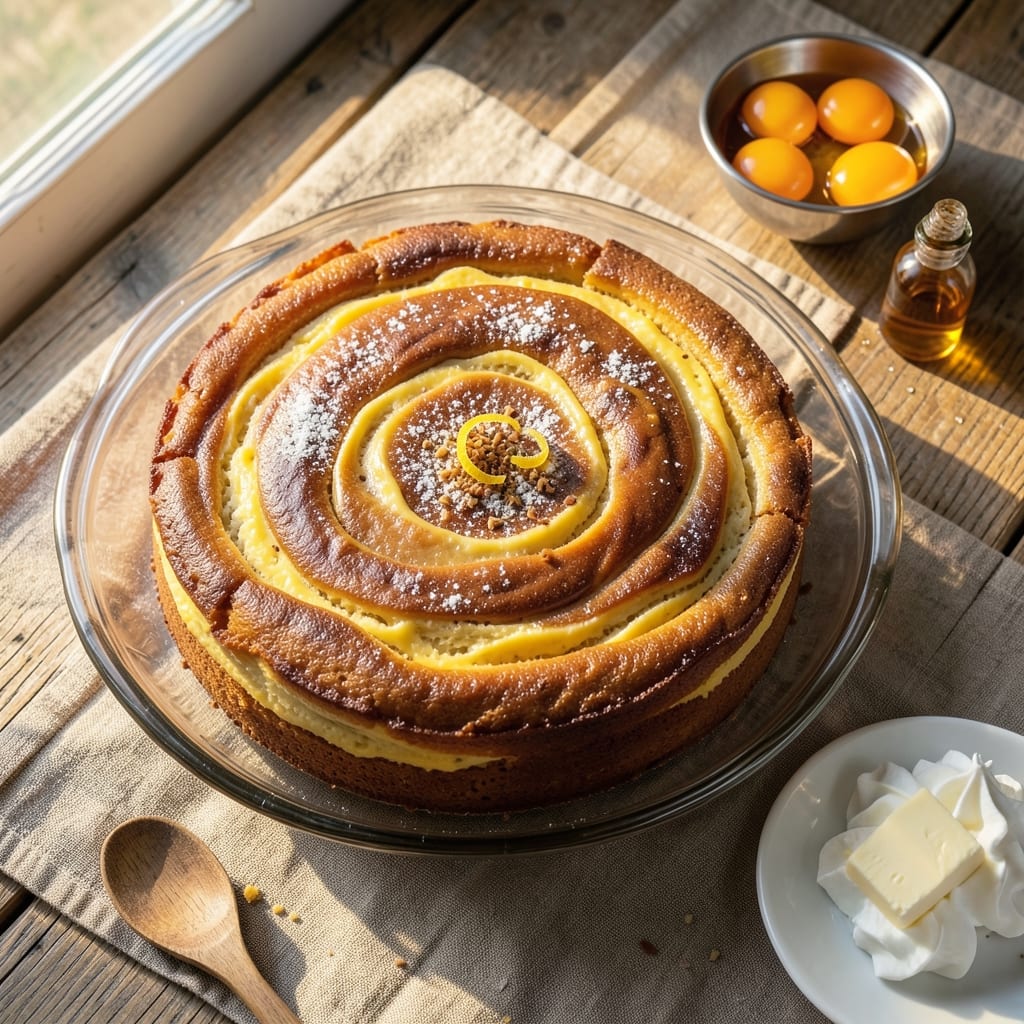
This 8 egg yolk cake recipe delivers restaurant-quality silkiness without requiring a single hour of chilling. The secret lies in those rich yolks—whisked to ribbons with sugar until pale, velvety, and thick enough to hold air like a dream. I developed this method after years of testing, and it never fails to produce a cake that's moist for days, with a delicate crumb and subtle sweetness that disappears on the first bite.
The beauty of this recipe is its simplicity: just 8 egg yolks, sugar, flour, and butter, combined in a way that transforms ordinary ingredients into something extraordinary. No buttercream needed—the cake's natural richness satisfies any craving. The key technique is folding in whipped egg whites at the end, which creates that signature lightness while maintaining the yolks' signature moistness.
What you'll end up with is a cake that's impossibly tender yet holds its shape beautifully—no dense, dry crumbs here. The texture is almost custard-like, with a fine, even crumb that melts in your mouth. Perfect for special occasions or when you want to impress without complicated steps, this cake bakes up golden and elegant, ready to be sliced into perfect portions.
Serve it plain with a dusting of powdered sugar, or layer with fresh berries for a pop of color. The recipe yields one 9-inch cake, but the method scales easily for larger batches. Let's get baking—this one's a game-changer for home bakers.
Ingredients for 8 egg yolk cake
Eight yolks, sugar, butter—these simple ingredients transform into a cloud-like cake with no chilling required.
| Ingredient | Amount | Notes |
|---|---|---|
| Large Egg Yolks 🥚 | 8 whole | Room temperature for best results |
| Granulated Sugar 🍚 | 2 cups | Superfine preferred for smooth texture |
| All-Purpose Flour 🌾 | 1 ½ cups | Sifted for even distribution |
| Unsalted Butter 🧈 | 1 cup | Cold, cubed for even melting |
| Large Egg Whites 🥚 | 8 whole | Room temperature, separated cleanly |
| Vanilla Extract 🌸 | 1 tbsp | Pure vanilla preferred |
| Salt 🧂 | ¼ tsp | Fine sea salt preferred |
| Cream of Tartar 🧂 | ¼ tsp | Stabilizes egg whites |
| Powdered Sugar 🍚 | ¼ cup | For dusting, optional |
The yolks are non-negotiable here. Room temperature is key—cold yolks won't emulsify properly, leading to a dense cake. I always buy large eggs from the store's refrigerated section, but let them sit out for 30 minutes before starting. The sugar should be superfine if possible—it dissolves faster and creates a smoother batter. For butter, European-style brands like Plugrá or Land O'Lakes unsalted work best—they have higher fat content and lower water content, which prevents a dense crumb. If you only have regular butter, pat it dry with a paper towel first to remove excess moisture.
No vanilla extract? Vanilla bean paste works just as well—just use half the amount. Short on powdered sugar for dusting? Superfine sugar works in a pinch, though it won't dissolve as easily. The cream of tartar is optional but recommended—it stabilizes the egg whites and helps them hold their shape longer. If you skip it, add an extra 1/8 tsp of salt to compensate. For flour, King Arthur or Bob's Red Mill are my go-tos—they're consistently high-quality and sift beautifully. If your flour is lumpy, sift it through a fine-mesh sieve before measuring to avoid lumps in the batter.
Store the cake in an airtight container at room temperature for up to 3 days—it actually gets better as it sits, developing deeper flavor. For longer storage, wrap tightly in plastic and refrigerate for up to 5 days. The texture remains tender, but it may dry out slightly. Freezing isn't recommended—this cake is best enjoyed fresh. If you're making it ahead, prepare the batter up to the point of folding in the egg whites, then refrigerate for up to 24 hours. Finish baking just before serving for the best texture.
Why You'll Love This Recipe
- No Separated Whites: The yolks and whites stay together—no fussing with strainers or messy bowls. Just crack, whisk, and fold. Honestly, that butter-sugar base is so forgiving, even if you rush it.
- Rich Yet Light: That ratio of yolks to whites? Pure magic. The cake’s got a velvety crumb from the yolks but stays tender, not dense. Between us, it’s the kind of dessert that makes you forget about "healthy" labels.
- Weeknight Baking Win: One bowl, 10 minutes of active time, and you’ve got a cake that feels special. I’ve used it for breakfast (yes, even on a Tuesday night) or a quick dessert—no one questions where it came from.
- Budget-Friendly Luxury: Uses pantry basics that won’t break the bank. Eight eggs? That’s one carton’s worth of yolks, and the whites go to waste in most recipes. Not here—they’re both working hard for you.
Step-by-step instructions for silky smooth egg yolk cake
Master this technique and you'll achieve a perfectly moist, velvety cake without the need for chilling.
Prepare the Yolk Mixture for Maximum Tenderness
In a large mixing bowl, combine the 8 whole large egg yolks with the 2 cups granulated sugar. I like to use a hand mixer here for about 3-4 minutes on medium speed until the mixture becomes pale and thick. You'll notice it nearly doubles in volume and develops a ribbon-like consistency when you lift the beaters.
This step is crucial for creating that signature silky texture. The sugar helps break down the egg yolks' proteins while incorporating air, which creates a light, airy crumb. If you're using regular granulated sugar, pulse it briefly in a food processor first to create superfine sugar for even smoother results.
Once the mixture reaches 160°F (test with an instant-read thermometer) and looks like pale ribbon candy, remove the bowl from the mixer. Add the 1 tablespoon vanilla extract and the ½ teaspoon salt, mixing briefly to combine. The vanilla adds depth while the salt enhances all the flavors.
Incorporate Butter and Flour for Perfect Texture
Reduce the mixer speed to low and gradually add the 1 cup cold cubed unsalted butter. I add it piece by piece, allowing each cube to fully incorporate before adding the next. This gradual addition prevents the butter from melting too quickly and ensures even distribution throughout the batter.
After the butter is fully melted into the yolk mixture, sift in the 1½ cups all-purpose flour through a fine-mesh sieve directly into the bowl. Gently fold the flour in using a spatula until just combined. Be careful not to overmix at this stage—you should still see some flour streaks in the batter. Overmixing develops gluten and can make the cake dense.
The cold butter creates tiny pockets of fat that will melt during baking, creating that signature moist crumb. The flour provides structure without making the cake heavy. At this point, your batter should be thick, smooth, and slightly shiny.
Prepare the Egg Whites for Peak Volume
While you're working with the yolk mixture, prepare the 8 whole large egg whites in a separate, completely clean bowl. Add the ½ teaspoon cream of tartar and beat on medium speed until soft peaks form. This stabilizer is key—it helps the egg whites reach maximum volume and hold their shape.
Gradually increase the speed to high and continue beating until the egg whites form stiff, glossy peaks that stand upright when the beaters are lifted. The bowl should feel cool to the touch, and the peaks should hold their shape without collapsing. This typically takes about 5-7 minutes of continuous beating.
Remember, the cleaner your bowl and beaters, the better the egg whites will whip. Any trace of fat or yolk will prevent them from reaching their full potential. Once you achieve stiff peaks, gently fold about ¼ of the egg whites into the yolk mixture to lighten it before combining everything.
Combine Mixtures and Prepare for Baking
Gently fold the remaining egg whites into the yolk mixture using a spatula, being careful not to deflate them. Work in two additions to maintain the airiness. The batter should be thick but still pourable, with no visible streaks of egg white. This careful combination creates the cake's signature tender crumb and light texture.
Pour the batter into two 9-inch round cake pans that have been lightly greased and lined with parchment rounds. I like to tap the pans gently on the counter to remove any air bubbles that may have formed during pouring. This ensures even baking and a smooth top surface.
Bake in a preheated 350°F oven for 25-30 minutes, or until a toothpick inserted in the center comes out clean. The cake should spring back slightly when gently pressed in the center. Rotate the pans halfway through baking for even browning.
Cool and Finish for Perfect Results
Once the cakes are done, transfer them to a wire rack to cool completely. This is where patience pays off—the cakes will continue to set as they cool, becoming even more tender. While they're cooling, you can prepare the optional powdered sugar glaze by sifting the ¼ cup powdered sugar over a fine-mesh sieve.
For the glaze, whisk together the powdered sugar with 1-2 tablespoons of warm water until smooth. Drizzle this over the completely cooled cakes or dust them with powdered sugar directly from the sieve. The cake's texture should be incredibly tender with a fine, even crumb that melts in your mouth.
Slice and serve immediately for the most tender texture, or store covered at room temperature for up to 3 days. The cake keeps well and actually improves as it sits, developing even more flavor. Each slice should be moist, rich, and perfectly balanced in sweetness.
Pro Tips For Making 8 Egg Yolk Cake
- Whip Yolks Slowly: Start with a chilled bowl and beat the yolks on medium-low speed—rushing this step traps air unevenly, leading to a dense cake. I used to crank it up high, thinking faster equals better, but the yolks just got warm and clumpy.
- Weigh Your Butter: Use a kitchen scale for the butter (85g per 100g sugar is standard) and let it sit at room temp until it’s soft but not greasy—like when you press your thumb into it and it leaves a slight indent. Cold butter won’t emulsify properly, and melted butter will make the cake greasy.
- Fold Whites in Stages: Add the egg whites in three additions, gently folding just until the batter looks unified—don’t overmix or you’ll deflate those precious air pockets. I learned this after a cake collapsed like a sad soufflé; now I check for streaks, not perfection.
- Bake at 325°F, Not Higher: This isn’t a race—325°F (163°C) ensures even cooking without a domed top that cracks as it cools. I once baked at 350°F and ended up with a golden crust hiding a gummy center. Patience here pays off.
Flavor customization for 8 egg yolk cake
Citrus Brightness
Add 1 tablespoon lemon or orange zest to the yolk mixture for a vibrant, citrusy twist that cuts through the richness. I like to combine it with 1 teaspoon of fresh lemon juice for a subtle tang. This works especially well when paired with berry compotes or whipped cream. The zest adds a beautiful color contrast and keeps the cake from feeling too heavy. 🍊
Spiced Variations
For a cozy twist, fold ½ teaspoon cinnamon or ¼ teaspoon cardamom into the flour before mixing. These warm spices complement the vanilla beautifully and pair perfectly with apple slices or caramel drizzle. If you want a bolder flavor, try ½ teaspoon espresso powder in the yolk mixture—it deepens the chocolate notes naturally. 🌶️
Chocolate Infusion
Replace ¼ cup of the granulated sugar with ¼ cup Dutch-process cocoa powder for a decadent chocolate version. This creates a rich, fudgy texture while keeping the cake's signature moisture. For extra indulgence, fold ½ cup melted dark chocolate
Split the batter between two pans and bake as directed, then layer with ½ cup raspberry or apricot jam before stacking. For a lighter option, spread ½ cup whipped cream between layers. This creates a stunning, restaurant-quality cake that's surprisingly easy to assemble. The fruit adds natural sweetness and prevents the cake from feeling too dense. 🍓 Fold ½ cup toasted chopped walnuts or pecans into the batter for added texture. For extra crunch, sprinkle ¼ cup chopped nuts over the top before baking. This variation works especially well with caramel or honey drizzle. I recommend toasting the nuts in a dry pan until fragrant before adding them to the batter. 🌰 Add 1 tablespoon instant coffee granules dissolved in 2 tablespoons hot water to the yolk mixture for a sophisticated coffee flavor. This pairs beautifully with chocolate glaze or whipped cream. For a mocha version, combine the coffee with 1 tablespoon cocoa powder in the yolk mixture. The coffee enhances the cake's richness without overpowering it. ☕Fruit Filling
Nutty Crunch
Coffee Twist
Nutrition facts
Frequently asked questions
Why does this recipe use only egg yolks?
Egg yolks create an incredibly rich, moist texture that's perfect for this cake. They contain natural fats and emulsifiers that keep the crumb tender for days. The recipe balances them with whipped egg whites for lightness—without yolks, the cake would be dense. Plus, the yolks add that signature custard-like quality that makes this cake so special!
Can I make this cake without a mixer?
For the yolks, whisk vigorously by hand until pale and thick (about 5-7 minutes). Use a balloon whisk for the egg whites instead of a mixer, beating until stiff peaks form. The process just takes more elbow grease—about 10 minutes total. Just be patient and keep your bowl spotless for those egg whites!
What if my cake comes out dense?
Dense cake usually means overmixing or under-whipped egg whites. Make sure your egg whites reach stiff peaks (they should stand straight up when the beaters lift). Also, don't overmix after adding flour—just combine until no dry spots remain. Another tip: use superfine sugar and ensure your butter is cold but not frozen.
How do I store leftovers?
Wrap tightly in plastic wrap or an airtight container at room temperature for up to 3 days. For longer storage, refrigerate for 5 days—though it's best enjoyed fresh. Avoid freezing as it can make the texture dry. The cake actually improves slightly as it sits, developing deeper flavor!
Can I substitute butter with oil?
Not recommended for this recipe—the butter creates that signature moist crumb through its fat content. If you must substitute, use ¾ cup melted butter-flavored shortening (like Crisco) or olive oil for a neutral taste. However, the texture will be slightly different—less tender and more cake-like. Stick with butter for authentic results!