
Desserts
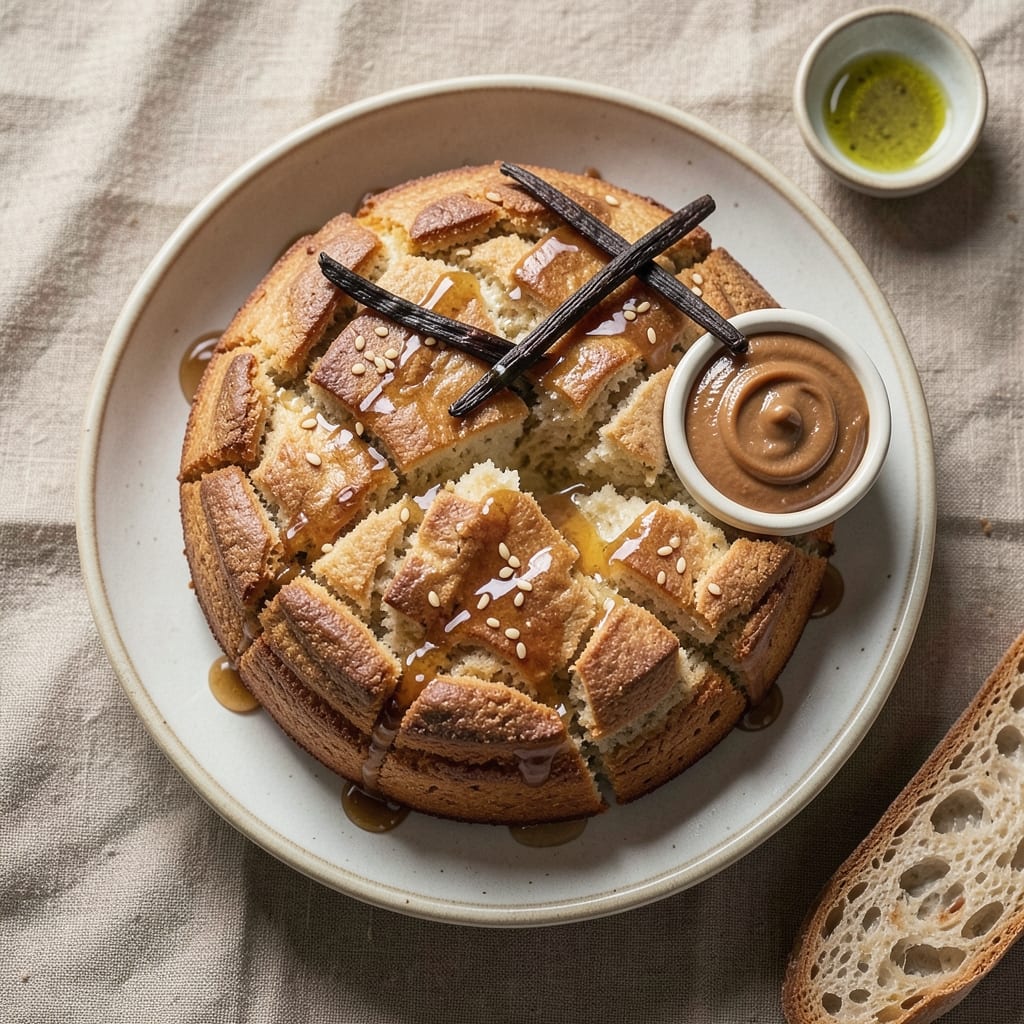
This almond cake recipe no flour delivers a moist, grain-free dessert that rivals traditional cakes—but without a single grain in sight. The secret lies in almond flour and aquafaba, creating a tender crumb with rich nutty depth and a subtle vanilla swirl that keeps every bite irresistible. I perfected this recipe after years of experimenting with gluten-free alternatives, and the result is a cake that’s naturally sweet, perfectly dense, and free from common allergens. What sets this apart is the texture—no dryness or crumbliness here. The almond flour binds beautifully while keeping the cake tender, and the aquafaba (chickpea brine) replaces eggs without sacrificing moisture. A touch of vanilla bean paste adds warmth, while a simple almond butter swirl ties everything together. It’s the kind of cake that feels indulgent yet light, perfect for special occasions or a guilt-free treat. The best part? This cake bakes up with a golden brown crust and a fudgy center, all while staying naturally sweet from the almonds. No refined sugar is needed—just a hint of maple syrup to balance the flavors. It’s ideal for those avoiding gluten, dairy, or eggs, yet still delivers the comfort of a classic dessert. Whether you’re hosting a dinner party or craving a simple dessert, this recipe proves you don’t need flour for a showstopping cake. Let’s get baking!
Ingredients for almond cake recipe no flour
Almond flour and aquafaba create a tender, grain-free cake with rich nutty depth and natural sweetness.
| Ingredient | Amount | Notes |
|---|---|---|
| Almond Flour 🌰 | 2 ½ cups | Fine, blanched preferred |
| Aquafaba 🥫 | 1 cup | From chickpea brine, unsweetened |
| Maple Syrup 🍯 | ¾ cup | Pure, grade B preferred |
| Vanilla Bean Paste 🌿 | 1 tbsp | For authentic vanilla flavor |
| Almond Butter 🥜 | ½ cup | Natural, unsweetened |
| Coconut Oil 🥥 | ½ cup | Melted, refined preferred |
| Baking Soda 🧂 | ½ tsp | Pure, aluminum-free |
| Salt 🧂 | ¼ tsp | Fine sea salt preferred |
| Vanilla Extract 🌿 | 1 tsp | Pure, alcohol-free if needed |
| Lemon Zest 🍋 | 1 tsp | Fresh, organic preferred |
| Lemon Juice 🍋 | 2 tbsp | Freshly squeezed |
| Almond Slices 🌰 | ½ cup | For topping, toasted |
The almond flour is the heart of this cake—Bob’s Red Mill or Anthony’s Goods brands deliver the finest texture. Look for blanched almond flour for a lighter color and milder taste. If you can’t find it, toast regular almond flour at 350°F for 10 minutes to deepen the flavor. The aquafaba should be unsweetened—save those sweetened versions for cocktails. For the vanilla bean paste, Madagascar bourbon vanilla adds complexity, but any high-quality paste works. The almond butter should be natural, unsweetened—none of that shelf-stable junk with additives.
No almond flour? Cashew flour or hazelnut flour can substitute at the same ratio, though texture may vary slightly. Short on aquafaba? Flax eggs (3 tbsp ground flax + 9 tbsp water per egg) work in a pinch, but the cake will be denser. The maple syrup can be swapped for agave nectar or date syrup, but maple’s caramel notes are ideal here. For extra richness, add 1 tbsp melted coconut cream to the batter. The lemon zest and juice brighten the cake—Meyer lemons add subtle sweetness, but regular lemons work too. If you’re avoiding refined sugar entirely, the maple syrup is your only sweetener, so choose a grade B for deeper flavor.
Store the cake in an airtight container at room temperature for up to 3 days—it keeps beautifully without drying out. For longer storage, wrap tightly in parchment paper and freeze for up to 2 months. The almond flour absorbs moisture quickly, so preheat your oven to 350°F before baking to ensure even cooking. The cake reheats well—30 seconds in the microwave restores moisture if it’s been sitting out. Portion the batter into greased ramekins for individual servings, or use a 9-inch round pan for a classic cake shape.
Why You'll Love This Recipe
- No-Mess Mixing: I swear by this recipe because it’s just three bowls—no sifting, no measuring cups, no flour clouds everywhere. The aquafaba whips up like magic, and the almond butter folds in smoother than I ever expected.
- Vanilla-Almond Bliss: That vanilla bean paste? It’s the secret weapon—warm, boozy, and lingering. Pair it with the toasty almond flour and maple syrup’s caramel depth, and you’ve got a cake that tastes like a dessert you’d pay $12 for at a bakery.
- Weekday Magic: Slice it thin for breakfast toast with peanut butter, crumble it over yogurt, or serve it as-is with coffee. Honestly, I’ve eaten this for three meals in a row and never gotten tired of it—it’s the ultimate “I don’t want to cook” solution.
- Pantry Stash Winner: Almond flour and almond butter last forever, and you’re using aquafaba (aka chickpea water) instead of eggs. Leftovers? They stay fresh for days, and if they dry out, just toast a slice—it’s like eating cake again. Budget-friendly and zero waste.
Step-by-step instructions for almond cake no flour
This grain-free almond cake delivers rich moisture and nutty depth using only plant-based ingredients.
Whisk Wet Ingredients for Light Texture
In a large mixing bowl, combine the 1 cup aquafaba with the 0.75 cup maple syrup. Whisk vigorously for 2-3 minutes until the mixture forms stiff peaks—this creates the airy structure that replaces traditional gluten. The aquafaba should look like whipped egg whites, with smooth, glossy peaks that hold their shape when you lift the whisk.
Next, add the 0.5 cup melted coconut oil and 1 tbsp vanilla bean paste, whisking until fully incorporated. The mixture will lighten slightly, and you'll notice the vanilla's deep aroma. This is where the cake's signature flavor begins to develop. I like to press my finger into the mixture—it should spring back slowly, indicating proper aeration. If it feels too thin, whisk for another 30 seconds to build volume.
Combine Dry Ingredients and Fold Gently
In a separate bowl, sift together the 2.5 cups almond flour, 0.5 tsp baking soda, and 0.25 tsp salt. The baking soda will create tiny air pockets that help the cake rise, while the almond flour provides structure. Whisk briefly to distribute the baking soda evenly—you should see small bubbles form in the dry mixture.
Add the 0.5 cup almond butter, 1 tsp vanilla extract, 1 tsp lemon zest, and 2 tbsp lemon juice to the dry ingredients. Mix with a spatula until just combined, being careful not to overmix. The lemon zest will add a bright citrus note that balances the cake's richness, while the lemon juice enhances moisture retention. The mixture should resemble coarse crumbs with a slightly sticky texture from the almond butter.
Fold Wet and Dry Ingredients Together
Gradually fold the dry mixture into the wet ingredients using a spatula, working in three additions. After each addition, gently fold from the bottom of the bowl up to incorporate air. The batter will be thick but pourable—think of it like a heavy cookie dough. Stop folding when no dry streaks remain, but don't overmix or the cake will become dense. The ideal consistency should coat the back of your spatula in a thick layer.
Here's the thing—this batter is sensitive. If it looks too stiff, add 1-2 tablespoons of aquafaba to loosen it slightly. The cake needs to spread gently in the pan, but not run like batter. When you lift the spatula, the batter should hold its shape briefly before slowly melting back into the bowl. This indicates the perfect balance of structure and moisture for a tender crumb.
Prepare and Bake the Cake
Preheat your oven to 350°F and grease an 8-inch round cake pan thoroughly with coconut oil, then dust with additional almond flour. Tap the pan gently on the counter to remove any excess flour. Pour the batter into the prepared pan and smooth the top with a spatula. The batter will fill about halfway up the pan, which is perfect—this cake rises beautifully.
Bake for 35-40 minutes, until a toothpick inserted in the center comes out clean and the edges are lightly golden. The top should spring back slowly when pressed gently with your finger. I've found that opening the oven door too early can cause the cake to sink, so resist the urge to check until at least 30 minutes have passed. The cake is done when it pulls away slightly from the edges of the pan and has a subtle nutty aroma.
Add Vanilla Swirl and Toast Almonds
While the cake bakes, prepare the vanilla swirl by mixing 0.25 cup maple syrup with 1 tsp vanilla extract in a small bowl. Once the cake has baked for 25 minutes, carefully pierce the center with a skewer in a cross pattern, then pour the syrup mixture over the top. The cake will absorb the syrup as it finishes baking, creating beautiful marbled swirls throughout.
For the topping, toast the 0.5 cup almond slices in a dry skillet over medium heat for 2-3 minutes, stirring constantly, until they're golden brown and fragrant. Immediately sprinkle them over the warm cake. The contrast between the cake's tender crumb and the toasted almonds adds both texture and visual appeal. Let the cake cool in the pan for 10 minutes, then transfer to a wire rack to cool completely before slicing—this prevents crumbling.
Pro Tips For Making Almond Cake Recipe No Flour
- WHISK AQUFABA FIRST: I learned this the hard way—whipping the aquafaba before adding anything else makes a smoother batter. Use a stand mixer on high for 3-4 minutes until stiff peaks form (like meringue), then fold in the rest. Skipping this step means a dense, gummy cake.
- SIFT ALMOND FLOUR TWICE: Almond flour packs like crazy, and clumps ruin texture. Sift it into the bowl before mixing, then sift again after adding dry ingredients. This isn’t just about aeration—it’s about avoiding a brick-like crumb.
- BAKE UNTIL 200°F: The cake’s done when the center hits 200°F (93°C), not when it looks baked. Almond cakes stay warm inside longer than wheat-based ones. Overbaking dries them out; underbaking leaves them gummy. A toothpick should come out clean but slightly moist.
- MIX IN ALMOND BUTTER LAST: Add the almond butter after folding the aquafaba into the dry ingredients. This keeps the batter light instead of turning it into a thick, sticky mess. Warm the butter slightly first—it blends in smoother and adds richness without weighing the cake down.
Pro cooking tips for perfect results
Almond Flour Magic
The key to this flourless cake lies in almond flour—not just any almond flour, but blanched, fine-ground varieties like Bob’s Red Mill or Anthony’s Goods. These brands create a tender crumb because their fine texture mimics traditional flour’s binding properties. Toast the flour at 350°F for 10 minutes if you can’t find blanched—this deepens the nutty flavor and removes any bitterness. The secret? Don’t overmix once combined with wet ingredients, or you’ll end up with a dense, compact cake instead of the light, airy texture we want. 🌰
Aquafaba Whipping
This chickpea brine replaces eggs perfectly, but whipping it properly is non-negotiable. Use unsweetened aquafaba (the sweetened kind won’t work here) and whip it for at least 2-3 minutes until stiff peaks form—like meringue. The trick? A clean, grease-free bowl and a balloon whisk for maximum volume. If your aquafaba won’t hold peaks, chill the bowl in the fridge for 10 minutes before whipping again. Pro tip: Add the coconut oil gradually while whipping to stabilize the foam. When done right, the aquafaba should look glossy and hold its shape when you lift the whisk. ✨
Baking Soda Timing
Baking soda is your leavening agent here, but timing matters. Sift it with the almond flour right before mixing—this prevents it from losing potency. The moment you combine it with wet ingredients, it starts reacting. Fold it in last when mixing dry ingredients to preserve those tiny air bubbles that help the cake rise. Overmixing here = dense cake. I’ve learned this the hard way—once, I mixed too aggressively and ended up with a brick instead of a cake. The ideal batter should look like thick cookie dough with a few visible air pockets. 💡
Vanilla Swirl Hack
That beautiful vanilla swirl isn’t just for looks—it adds moisture and depth. Mix ¼ cup maple syrup with 1 tsp vanilla extract and pour it over the cake after 25 minutes of baking. The skewer holes let the syrup seep in while the cake finishes baking, creating marbled patterns. For extra richness, add ½ tsp almond extract to the swirl mix. The contrast between the cake’s tender crumb and the syrupy swirl makes every bite feel luxurious. Trust me, this is where the magic happens. 🌿
Toasted Almond Topping
Don’t skip toasting the almond slices—they add crunch and aroma that elevate the cake. Heat them in a dry skillet over medium heat for 2-3 minutes, stirring constantly, until golden brown. The moment they turn color, remove them immediately—they’ll keep toasting even after you take them off the heat. Sprinkle them right after pouring the swirl syrup while the cake is still warm. This creates a perfect textural contrast and prevents the almonds from becoming soggy. The nutty aroma alone makes the cake smell like a bakery. 🥜
Oven Prep Matters
Preheat your oven to 350°F and let it stabilize for 10 minutes before baking. This ensures even heat distribution, which is critical for a flourless cake. Grease your 8-inch round pan thoroughly with coconut oil, then dust with extra almond flour—tap out any excess. The batter will fill only about halfway, so don’t overfill. Bake on the middle rack for even cooking. The cake is done when a toothpick comes out clean and the edges pull away slightly from the pan. Patience here prevents a dense center. ⏰
Nutrition facts
Frequently asked questions
Can I substitute almond flour with another nut flour?
Yes! You can use cashew flour or hazelnut flour in a 1:1 ratio, though the texture will differ slightly. Cashew flour creates a more tender crumb, while hazelnut adds earthier notes. Avoid walnut flour—it has a stronger flavor that can overpower the cake. For best results, toast your nut flour at 350°F for 10 minutes to enhance flavor and remove moisture.
Why does my flourless almond cake turn out dense?
Overmixing is the #1 culprit! The batter should be folded gently in three additions, not stirred vigorously. Also, ensure your aquafaba is whipped to stiff peaks (like meringue) and that your baking soda is fresh. Another tip: don't overfill the pan—this cake should fill only about halfway. If it's still dense, try adding 1 extra tablespoon of aquafaba to the batter for moisture.
How do I make this cake gluten-free AND egg-free?
This recipe is already both! The almond flour provides gluten-free structure, while aquafaba (chickpea brine) perfectly replaces eggs. For extra insurance, check your vanilla extract and maple syrup labels to ensure they're certified gluten-free. The coconut oil and baking soda are naturally gluten-free, so no additional substitutions are needed. This cake is safe for those with celiac disease or gluten sensitivities.
Can I make this cake ahead of time?
This cake keeps beautifully for 3 days at room temperature in an airtight container. For longer storage, wrap tightly in parchment paper and freeze for up to 2 months. To serve, thaw at room temperature for 1-2 hours, then reheat slices in the microwave for 10-15 seconds to restore moisture. The flavors actually improve after 24 hours as the almonds mellow.
What's the best way to serve this almond cake?
Try it warm with a dollop of coconut whipped cream and fresh berries for contrast. For a decadent touch, drizzle with melted dark chocolate or serve with vanilla bean ice cream. The cake's nutty richness pairs beautifully with citrusy elements—lemon curd or orange zest would be perfect. For a make-ahead dessert, slice and freeze portions, then toast briefly before serving.