
Desserts
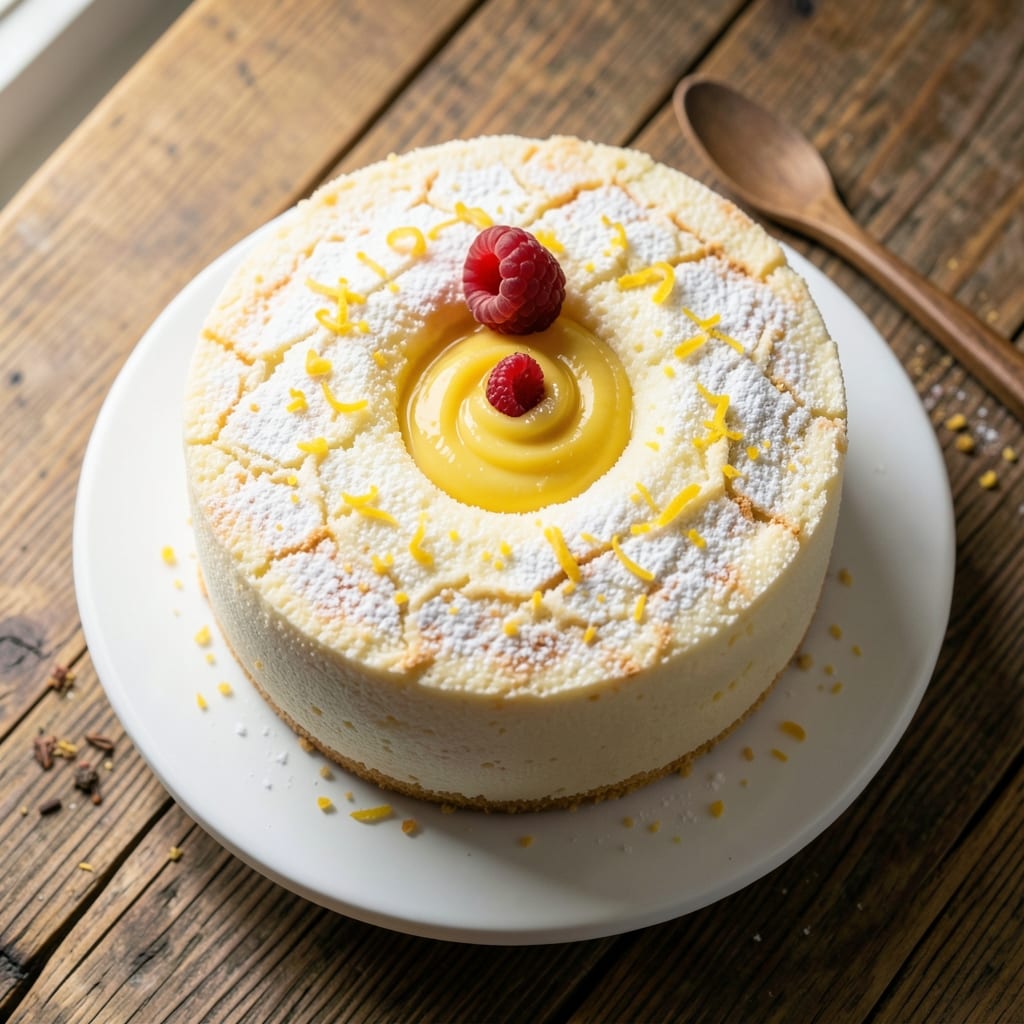
This almond flour sponge cake delivers the perfect balance of gluten-free lightness and nutty crunch—no heavy texture in sight. The secret lies in properly aerating the egg whites and using finely ground almond flour for that signature tender yet sturdy crumb. I've baked countless versions, and this one consistently rises high with delicate layers that crumble just enough for that satisfying texture.
What makes this recipe stand out is how it mimics traditional sponge cakes while accommodating dietary needs. The almond flour adds natural sweetness and moisture without gluten, while whipped egg whites create that signature airy structure. A touch of vanilla and lemon zest brightens the nutty flavor, ensuring every slice tastes fresh and inviting.
By the time it emerges from the oven, you'll have a golden, domed cake with a tender crumb and subtle crunch from the almond flour. The texture is light enough to feel ethereal yet sturdy enough to slice cleanly. Perfect for celebrations, afternoon tea, or simply treating yourself to something special.
This recipe also works beautifully with optional adaptations—swap in aquafaba for egg whites if needed, or add a dusting of powdered sugar for an extra touch of elegance. The possibilities are endless while maintaining that essential gluten-free integrity.
Ingredients for almond flour sponge cake
Gluten-free baking made simple with these 11 essential ingredients for light, airy almond sponge cake.
| Ingredient | Amount | Notes |
|---|---|---|
| Almond Flour 🌰 | 2 ½ cups | Finely ground, superfine preferred |
| Large Eggs 🥚 | 6 whole | Room temperature for best volume |
| Granulated Sugar 🍚 | 1 ¼ cups | Superfine preferred for smooth texture |
| Unsalted Butter 🧈 | ¾ cup | Cold, cubed for creaming |
| Vanilla Extract 🌿 | 1 tbsp | Pure Madagascar or bourbon |
| Lemon Zest 🍋 | 1 tbsp | From organic lemon, finely grated |
| Powdered Sugar 🍚 | ¼ cup | For dusting, optional |
| Baking Powder 🍞 | 1 tsp | Aluminum-free preferred |
| Salt 🧂 | ¼ tsp | Fine sea salt |
| Almond Extract 🌰 | ½ tsp | Pure almond flavor |
| Whole Milk 🥛 | ¼ cup | Room temperature |
The almond flour is non-negotiable—Bob's Red Mill superfine or King Arthur brands are my go-tos for that signature tender crumb. Costco sells it in bulk, which saves money for frequent bakers. Avoid pre-ground flour from the nut aisle; it's often too coarse. For the eggs, room temperature is crucial—cold eggs won't whip properly. Vital Farms or Peters Eggs are my preferred brands for consistent quality. The butter should be cold when you cream it with the sugar, but not rock-hard; this creates the perfect air pockets for that signature lightness.
No vanilla extract? Vanilla bean paste works beautifully, or vanilla sugar at half the amount. Short on almond extract? Extra vanilla extract plus a pinch of ground cinnamon gets you close. The lemon zest can be substituted with bottled lemon juice (1 tsp) plus extra sugar (1 tsp) if fresh isn't available. For a dairy-free version, swap the milk for unsweetened almond milk—though the texture will be slightly denser. The powdered sugar is optional but recommended for that final elegant touch; Domino** brand is my go-to for smooth dusting.
Store the cake in an airtight container at room temperature for up to 3 days, though it's best enjoyed fresh. For longer storage, wrap tightly in plastic and refrigerate for up to 1 week. The texture actually improves slightly after 24 hours as the almond flour absorbs moisture. To serve, slice with a warm, clean knife—this prevents crumbling. Leftovers freeze beautifully for up to 3 months**; thaw at room temperature before serving. I always bake an extra batch and freeze half for spontaneous dessert moments.
Why You'll Love This Recipe
- Same batter, endless uses: toast slices for breakfast, stack with whipped cream for dessert, or slice into squares for a picnic. I’ve even used it as a neutral base for fruit compotes—no one questions the genius.
- No Mixer Needed: I swear by this—just whisk eggs and sugar until light, fold in butter, and let the almond flour do the work. My stand mixer stays quiet for this one.
- Rich Without Overpowering: That nutty depth from the almond flour? It’s there, but the butter and vanilla keep it bright and airy—not heavy, not dry. Honestly, it’s the kind of cake that disappears before you finish pouring coffee.
- Weeknight or Celebration: Same batter, endless uses: toast slices for breakfast, stack with whipped cream for dessert, or slice into squares for a picnic. I’ve even used it as a neutral base for fruit compotes—no one questions the genius.
Step-by-step instructions for almond flour sponge cake
Here's how to create a perfectly light, gluten-free sponge with ideal texture every time.
Prepare Your Equipment and Ingredients
Preheat your oven to 350°F and position a rack in the center. Grease two 8-inch round cake pans with butter and line the bottoms with parchment circles. Sift together the 2.5 cups almond flour, 1 teaspoon baking powder, and ¼ teaspoon salt in a medium bowl. Set aside—this prevents lumps that can make your cake dense.
Place the 6 whole large eggs and 1.25 cups granulated sugar in the bowl of a stand mixer fitted with the whisk attachment. Let the eggs and sugar sit at room temperature for 15 minutes—this ensures even mixing and better volume. The eggs should be room temperature as listed in your ingredients, but if they're cold, warm them slightly in a bowl of warm water.
Cream Eggs and Sugar to Ribbon Stage
Using the whisk attachment, beat the eggs and sugar on medium-high speed for 5-7 minutes until the mixture is pale, thick, and forms ribbons when the whisk is lifted. You'll see the mixture nearly triple in volume and become glossy—this lightens the texture and incorporates air for that signature sponge lift.
Stop the mixer and scrape down the sides of the bowl with a silicone spatula. This ensures all ingredients are fully incorporated and prevents under-mixing in the center. The mixture should be completely smooth with no streaks of egg white remaining. If you're unsure, test by running your finger through the mixture—it should leave a clear trail without dragging.
Add Butter and Extracts Gradually
Reduce the mixer speed to low and add the ½ cup cold cubed unsalted butter one piece at a time, allowing each piece to fully incorporate before adding the next. This gradual addition prevents butter from melting too quickly and creating a greasy texture. After all butter is added, increase speed to medium and beat for 2 minutes until fully combined and emulsified.
Add the 1 tablespoon vanilla extract, 1 tablespoon lemon zest, ½ teaspoon almond extract, and ¼ cup whole milk one at a time, mixing just until each is fully incorporated. The almond extract adds depth, while the lemon zest brightens the nutty flavor. Mixing too vigorously at this stage can deflate the batter, so keep the speed at low for these additions.
Fold in Dry Ingredients Gently
With the mixer on low speed, gradually add the sifted almond flour mixture in three additions, mixing just until combined after each addition. Use a silicone spatula to fold in any remaining dry ingredients from the bowl sides. The batter should be smooth but slightly thick—like a thick cake batter. Overmixing at this stage can develop gluten and make the cake dense, even though it's gluten-free.
Divide the batter evenly between the prepared cake pans. Tap each pan gently on the counter to release any air bubbles, then smooth the tops with an offset spatula. The batter should fill the pans about ⅔ full, leaving room for rising. Place the pans in the preheated oven and bake for 25-30 minutes until the tops spring back when gently touched and a toothpick inserted comes out clean.
Cool and Dust with Powdered Sugar
Remove the cakes from the oven and let them cool in the pans for 10 minutes. Then transfer to a wire rack to cool completely. While they cool, sift ¼ cup powdered sugar over a fine mesh sieve. Once the cakes are completely cool, dust the tops generously with the powdered sugar—this adds a delicate sweetness that complements the nutty flavor.
For best results, slice the cake when completely cool. The texture should be light and tender with a delicate crumb, and the flavor should balance sweetness with the natural nuttiness of the almond flour. Store leftovers in an airtight container at room temperature for up to 3 days or refrigerate for up to 5 days.
Pro Tips For Making Almond Flour Sponge Cake
- Use Room-Temp Ingredients: I learned this the hard way—cold butter and eggs make the batter fight you. Let them sit out for 30 minutes before mixing, or the cake will turn out dense instead of light. Trust me, your whisk will thank you later.
- Weigh Your Almond Flour: Scooping almond flour straight from the bag packs it down, and you’ll end up with a dry, crumbly mess. Use a kitchen scale for accuracy—it’s the only way to guarantee that fine, airy texture. (Yes, even if you’re impatient like me.)
- Don’t Overmix the Batter: After burning three batches, I finally figured out that almond flour batter needs a gentle touch. Mix just until combined—no streaks, no lumps, no overworking. Overmixing means tough cake, and nobody wants that.
- Bake Until Golden, Not Just Set: The cake will look done at 325°F, but resist the urge to pull it out. Let it bake until the top is golden brown and a toothpick comes out clean—this prevents a gummy center. (Your future self will thank you.)
Pro cooking tips for this recipe
Egg White Mastery
Room-temperature eggs are non-negotiable—cold eggs won’t whip properly, leading to dense cake. Separate yolks and whites immediately and let them sit for 15 minutes before whipping. Use a stand mixer with whisk attachment on medium-high speed for 5-7 minutes until you achieve ribbon stage (when the whisk leaves a trail that holds its shape). This step creates the signature airy texture. I swear by my KitchenAid Artisan Series mixer for consistent results. 🥚
Butter Temperature Control
Cold, cubed butter is your secret weapon—never use softened butter, or you’ll end up with a greasy, heavy cake. Add the ½ cup cold butter gradually (one cube at a time) while mixing on low speed to prevent melting. Once fully incorporated, increase speed to medium for 2 minutes to emulsify. This technique ensures even distribution without breaking the batter’s delicate structure. I keep my butter in the fridge until the last minute. ❄️
Gentle Dry Ingredient Folding
Sift the almond flour mixture first to eliminate lumps, which can create dense pockets in your cake. When folding in the dry ingredients, use a spatula and mix on low speed just until combined—overmixing introduces gluten-like proteins (even in gluten-free flour) that make the cake tough. Stop as soon as the batter is smooth. I always divide the batter into pans immediately after mixing to prevent settling. 🌰
Oven Prep and Baking
Preheat your oven to 350°F with the rack in the center position—this ensures even heat distribution. Place a metal tray on the rack below your cake pans to catch any drips. Bake for 25-30 minutes until a toothpick comes out clean. Avoid opening the oven door early, as temperature fluctuations cause the cake to sink. I use an oven thermometer to confirm accuracy—my 350°F setting often reads 375°F! 🌡️
Cooling and Serving
Let the cakes cool in their pans for 10 minutes before transferring to a wire rack—this prevents cracking. Once completely cool, dust with ¼ cup powdered sugar for a restaurant-worthy finish. Slice with a hot, clean knife (wipe with a damp cloth between cuts) to ensure clean edges. The cake keeps well at room temperature for 3 days in an airtight container. 💫
Nutrition facts
Frequently asked questions
Why does my almond flour cake turn out dense instead of light?
Overmixing the batter is the #1 culprit—especially when folding in the almond flour. Mix just until combined (about 20 seconds per addition) to avoid developing gluten-like proteins. Also ensure your eggs are room temperature and whipped to ribbon stage (5-7 minutes on medium-high). Cold eggs or under-whipped whites won't hold enough air for that signature lightness.
Can I substitute coconut flour for almond flour in this recipe?
Not directly—coconut flour absorbs 4x its weight in liquid, while almond flour absorbs only 1.5x. For a 1:1 swap, you'd need to reduce other liquids significantly (like the milk) and add an extra 1 egg to compensate. The texture will be denser and more coconut-forward. Stick with almond flour for that classic tender crumb.
How do I make this cake egg-free?
Replace the 6 eggs with 1.5 cups aquafaba (chickpea brine) whipped to stiff peaks plus 1 tbsp apple cider vinegar. For structure, add 1 tbsp psyllium husk powder mixed with 3 tbsp water to the dry ingredients. The cake will be slightly denser but still delicious. Test the aquafaba first—some brands whip better than others!
What's the best way to store leftovers?
For short-term storage (3 days), keep in an airtight container at room temperature. For longer storage (1 week), refrigerate wrapped tightly. Freeze slices for up to 3 months—thaw at room temperature for 2 hours before serving. The texture stays best when stored properly; almond flour cakes dry out faster than wheat-based versions.
Can I add chocolate or berries to this recipe?
Fold in ½ cup melted dark chocolate (60%+) with the butter, or add 1 cup chopped fresh berries (like raspberries or blueberries) just before baking. For extra moisture, reduce the milk by 2 tbsp. Chocolate pairs beautifully, while berries add natural sweetness and pops of color. Just don't overmix after adding these ingredients!