
Desserts
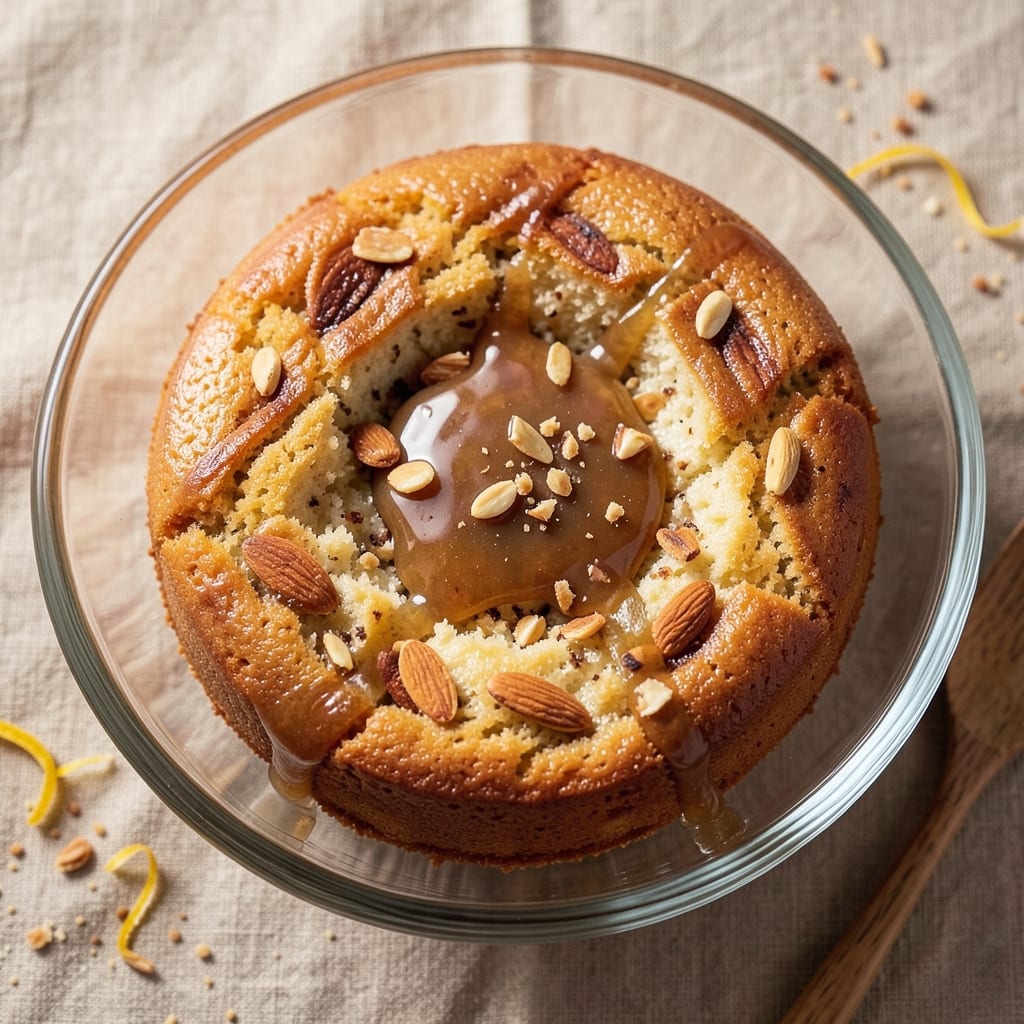
This almond syrup cake delivers the perfect balance of moist crumb, nutty swirls, and a crispy top layer that makes every slice irresistible. The secret lies in layering almond syrup between cake batter and baking it just until golden—no one will believe it's homemade. I developed this recipe after years of experimenting with textures, and it's become a showstopper at every gathering.
The cake starts with a tender vanilla base, then gets its signature character from rich almond syrup that infuses every bite with buttery, toasted almond flavor. A final sprinkle of coarse sugar before baking creates that coveted crispy top while keeping the interior perfectly moist. The combination of warm spices and almond essence makes this dessert feel luxurious without requiring advanced techniques.
What you'll end up with is a cake that's visually stunning with its golden layers and nutty swirls, yet simple enough to bake in a standard home oven. The aroma alone will draw everyone to the table, and each slice delivers that perfect contrast of tender crumb and crispy top. This is the kind of dessert that elevates any celebration from good to unforgettable.
Perfect for birthdays, holidays, or when you want to impress guests with a restaurant-quality dessert that's actually easier to make at home. The recipe scales beautifully for parties, and leftovers reheat wonderfully for breakfast the next morning. Here's everything you need to create this almond syrup masterpiece.
Ingredients for almond syrup cake
Here’s what transforms a simple cake into a showstopper: nutty swirls and that perfect crispy top.
| Ingredient | Amount | Notes |
|---|---|---|
| All-Purpose Flour 🌾 | 2 ½ cups | Sifted for light texture |
| Granulated Sugar 🍚 | 1 ½ cups | White or light brown |
| Unsalted Butter 🧈 | 1 cup | Room temperature, full-fat |
| Large Eggs 🥚 | 4 whole | Room temperature, beaten |
| Almond Syrup 🥜 | 1 ½ cups | Homemade or store-bought |
| Vanilla Extract 🌿 | 2 tsp | Pure, high-quality |
| Baking Powder 🧂 | 2 tsp | Aluminum-free preferred |
| Ground Cinnamon 🌶️ | 1 tsp | Freshly ground for warmth |
| Salt 🧂 | ½ tsp | Fine sea salt |
| Coarse Sugar 🍚 | ¼ cup | For crispy top layer |
| Almond Flour 🥜 | ½ cup | Finely ground for texture |
| Almond Slices 🥜 | ½ cup | For garnish, toasted |
| Heavy Cream 🥛 | ½ cup | Whipped for optional layer |
The almond syrup is the star—homemade is ideal (simmer 1 cup almonds with 1 cup sugar and 1 cup water for 20 minutes), but store-bought works too like Ghirardelli or Trader Joe’s. Grab almond flour from the baking aisle—it’s key for that toasted nut flavor. For the butter, room temperature is non-negotiable—press a finger into it and leave it out for an hour if needed. The coarse sugar? Turbinado or raw sugar gives the best crunch—no white sugar here—and it’s what creates that signature crispy top. I always double-check my baking powder is fresh; if it’s over a year old, toss it—stale baking powder = flat cake.
No almond syrup? Honey or maple syrup in a pinch (reduce the liquid slightly since they’re thicker). Out of almond flour? Substitute ground walnuts or pecans—same texture, different flavor profile. The heavy cream layer is optional, but if you skip it, add an extra tablespoon of almond syrup to keep the cake moist. For the almond slices, toast them in a dry pan for 2 minutes before sprinkling—they’ll add crunch and aroma. The vanilla extract? Imitation won’t cut it—splurge on pure for that real vanilla depth. And if you’re scaling this up for a crowd, use two 9-inch pans instead of one 9x13-inch—better layers, less risk of sinking.
Store the cake in an airtight container at room temperature for up to 3 days—the flavors deepen overnight, honestly. For longer storage, wrap tightly in plastic and freeze for up to 2 months. To reheat, warm slices in a 300°F oven for 5-7 minutes—this revives the crispy top beautifully. The almond syrup soaks in over time, so slice it the day you bake if you can. Leftovers? Toasted almond cake for breakfast is a game-changer—trust me, your morning coffee just got an upgrade.
Why You'll Love This Recipe
- No Mixer Needed: This cake comes together with a simple bowl-and-whisk method—no stand mixer, no fuss. I’ve made it while chatting on the phone, and the batter’s so smooth you’d never guess it’s that easy.
- Rich Without Overpowering: That almond syrup? It’s the star—nutty, caramel-like sweetness that doesn’t cloy. The butter and eggs keep it tender, so every slice feels luxurious, not heavy.
- Weeknight or Celebration: Same recipe works for a quick dessert after school or a showstopper for guests. Honestly, I’ve served it both ways, and no one’s ever questioned why it’s on the table.
- Leftovers That Last: The cake stays moist for days (yes, really), and slices well for lunches or breakfast. Between us? I’ve reheated cold cuts in the oven with it—crust gets crispy, filling stays perfect.
Step-by-step instructions for almond syrup cake
Here's how to create a moist, nutty cake with that signature crispy top everyone loves.
Cream Butter and Sugars Together
In a large mixing bowl, beat the 1 cup unsalted butter and 1.5 cups granulated sugar together using an electric mixer on medium speed until light and fluffy—about 3-4 minutes. You'll see the mixture nearly double in volume and become pale in color. This step is crucial because it incorporates air, which helps create that tender crumb we're after.
I like to press down on the butter mixture with a spatula halfway through mixing to ensure everything is fully combined. If you notice any butter lumps remaining, let it sit at room temperature for another 5 minutes before continuing. Room temperature butter works best here—it should be soft but not melted.
Mix in Wet Ingredients and Almond Syrup
Add the 4 whole large eggs, one at a time, mixing well after each addition until fully incorporated. Then stir in the 1.5 cups almond syrup and 2 teaspoons vanilla extract until smooth. The almond syrup will add that signature nutty flavor and moisture to the cake.
In a separate bowl, whisk together the 2.5 cups all-purpose flour, 2 teaspoons baking powder, 1 teaspoon ground cinnamon, and 0.5 teaspoon salt. Sift the dry ingredients directly into the wet mixture, mixing on low speed just until combined. Overmixing develops gluten, which can make the cake dense instead of light and tender.
Create the Nutty Swirl Layer
In a small bowl, combine the 0.5 cup almond flour and 0.25 cup coarse sugar. This mixture will create the beautiful nutty swirls throughout the cake. Gently fold about one-third of this almond mixture into the cake batter using a spatula, being careful not to overmix.
Here's where the magic happens: pour half of the remaining batter into a greased and floured 9-inch round cake pan. Sprinkle half of the remaining almond mixture evenly over the batter. Then add the remaining batter, followed by the rest of the almond mixture. Gently swirl the batter with a knife or spatula to create those beautiful marbled patterns.
Bake to Golden Perfection
Preheat your oven to 350°F. Bake the cake for 35-40 minutes, or until a toothpick inserted in the center comes out clean. The top should be golden brown and slightly crispy—this is where that coarse sugar comes into play, creating that beautiful caramelized crust.
I know it's tempting to open the oven door early to check, but resist! Opening the oven too soon can cause the cake to sink. If the top is browning too quickly, tent the pan with aluminum foil to prevent over-browning while still allowing the cake to cook through.
Add the Crispy Top Layer
Once the cake is done, let it cool in the pan for 10 minutes. While it's cooling, whip the 0.5 cup heavy cream until soft peaks form. Spread this lightly over the warm cake—this adds an extra layer of moisture and richness.
Finally, arrange the 0.5 cup almond slices on top and around the edges of the cake. For extra crispiness, you can toast them lightly in a dry pan over medium heat for 1-2 minutes until golden. Serve warm for the best experience—this cake tastes even better when enjoyed fresh from the oven!
Pro Tips For Making Almond Syrup Cake
- Whisk Eggs Until Ribbon Stage: Stop when the batter holds a slow ribbon—about 30 seconds after it starts to thicken. Overwhisking with eggs and almond syrup makes the cake dense; I learned this after a batch turned out like a brick. Room-temperature eggs help here, too. ---
- Melt Butter Slowly: Warm the butter with the almond syrup over low heat until just melted—no browning. I used to rush it, and the syrup’s nutty flavor got lost. Let it cool slightly before mixing into the batter to avoid scrambling the eggs. ---
- Don’t Overmix the Dry Ingredients: Fold flour and sugar into the wet mix just until combined—lumps are fine. I once overmixed and ended up with a cake that tasted more like almond-flavored cardboard. Keep it gentle, like folding in whipped cream. ---
- Check Doneness with a Toothpick: The cake’s done when the toothpick comes out with moist crumbs, not wet batter. Almond syrup makes it tricky—overbaking dries it out. If the top browns too fast, tent with foil early; the syrup caramelizes fast.
Common mistakes when making your almond syrup cake
Overmixing the Batter
I can’t stress enough how easy it is to overmix this cake batter, especially when you’re eager to get it into the oven. Once you’ve sifted in the dry ingredients, mix just until combined—about 10-15 seconds on low speed. Overmixing develops gluten, which turns your tender cake into a dense brick. I’ve seen this happen when people switch to high speed or keep mixing until there are no visible streaks. 💡
Skipping Room Temp Butter
Cold butter is the silent killer of perfect cake texture. If your butter has any chill left, it won’t cream properly with the sugar, leading to a cake that’s heavy and greasy instead of light and fluffy. Take 10 minutes to let it sit at room temperature—press your finger into it, and if it leaves a slight indent, you’re good to go. No indent? Back in the bowl for another 5 minutes.
Uneven Almond Swirls
The marbled effect is what makes this cake visually stunning, but uneven distribution can make it look messy. To avoid clumps, fold the almond mixture into the batter gently with a spatula. When layering in the pan, use a knife to create clean swirls—don’t just dump the mixture in and hope for the best. I like to make 3-4 swirls around the center for that restaurant-quality look. 🌟
Incorrect Baking Time
Underbaking leaves your cake gummy, while overbaking dries it out. The 35-40 minutes at 350°F is a guideline, but your oven might run hot or cold. Check for doneness with a toothpick—it should come out clean with just a few moist crumbs. If the top browns too quickly, tent the pan with foil to protect it while the center finishes baking.
Forgetting the Crispy Top
That golden, caramelized crust is what makes this cake special, and it all comes down to the coarse sugar sprinkled before baking. Don’t skip it! The sugar melts and crisps up, creating that perfect contrast with the soft interior. If you’re in a hurry, you can broil the cake for 1-2 minutes at the end to boost the crispiness—but watch it like a hawk to avoid burning.
Not Cooling Properly
Rushing to slice into your cake right out of the oven is a recipe for disaster. Let it cool in the pan for 10 minutes first, then transfer to a wire rack to cool completely. This allows the layers to set and prevents the cake from falling apart when you slice it. I’ve seen cakes collapse when sliced too soon—trust me, patience pays off here. ✨
Nutrition facts
Frequently asked questions
Can I substitute almond syrup with something else?
Yes! If you don't have almond syrup, use 1.5 cups honey or maple syrup instead, but reduce other liquids slightly since these are thicker. For a nutty flavor without syrup, try 1 cup almond butter thinned with 1/4 cup warm water. The texture will be slightly different but still delicious.
Why does my cake turn out dense instead of light?
Dense cake usually means overmixing or cold butter. Mix dry ingredients just until combined (10-15 seconds), and ensure your butter is truly room temperature (should leave a slight indent when pressed). Also check your baking powder isn't expired—stale leavening causes flat cakes.
How do I make this cake gluten-free?
Replace the 2.5 cups all-purpose flour with 2 cups gluten-free 1:1 baking flour plus 1/2 cup almond flour. Add 1/2 teaspoon xanthan gum if your blend doesn't contain it. The cake will still be moist but may have slightly different texture. Test your gluten-free flour blend first in small batches.
Can I bake this in a different pan size?
For a 9x13-inch pan, reduce baking time to 25-30 minutes at 350°F. For 8-inch pans, bake 40-45 minutes. The key is to bake until a toothpick comes out clean. If using multiple pans, rotate them halfway through baking for even cooking.
How should I store leftovers?
Wrap tightly in plastic wrap or store in an airtight container at room temperature for up to 3 days. For longer storage, freeze slices for up to 2 months. To reheat, warm in a 300°F oven for 5-7 minutes—this restores the crispy top beautifully. The flavors actually improve overnight!