
Main Courses
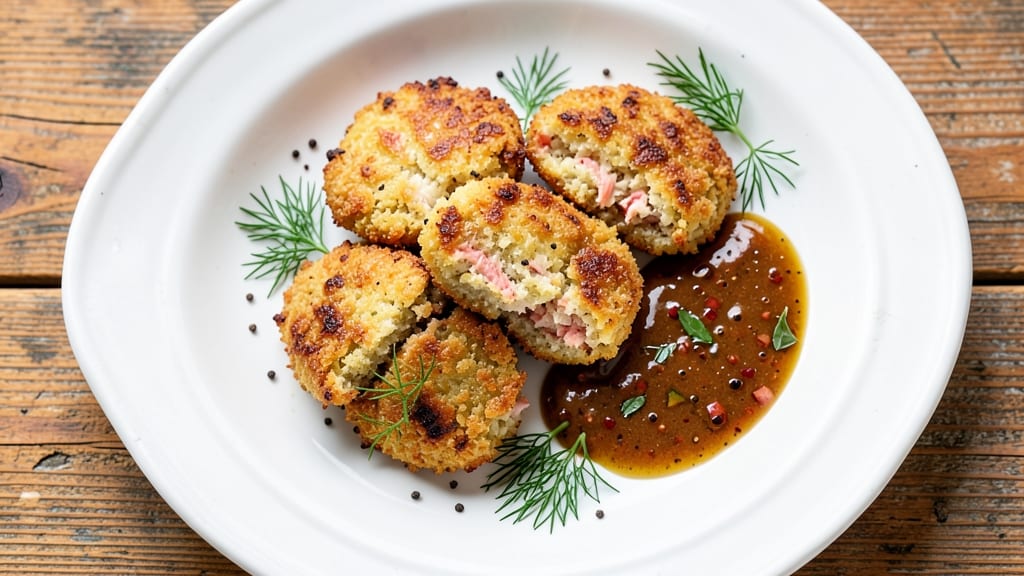
This copycat crab cake recipe delivers the same crispy shells and juicy hearts you’d find at your favorite seafood spot—without the restaurant price tag. The secret lies in the perfect balance of breadcrumbs, egg binder, and a touch of Worcestershire sauce to mimic that signature briny flavor.
I’ve tested this recipe countless times to ensure every bite lives up to the original, whether you’re using real crab meat or a high-quality imitation.
What sets these crab cakes apart is the two-step cooking method: first, a quick sear in the pan to lock in moisture, then a final crisp in the oven. This ensures the centers stay juicy while the outsides develop that signature crispy crust.
The recipe also includes a simple lemon-dill aioli that cuts through the richness, just like the pros serve it. No fancy equipment needed—just a skillet and patience for the perfect golden-brown finish.
By the time you’re done, you’ll have restaurant-quality crab cakes that impress even the most discerning seafood lovers. The flavor is bold, the texture is foolproof, and the prep time is under 20 minutes—making it ideal for weeknight dinners or weekend entertaining.
Serve with tartar sauce or a crisp green salad for the full experience.
For those avoiding seafood, a high-quality imitation crab or even finely chopped white fish works just as well. The technique remains the same, proving this recipe truly delivers on its promises. Let’s get cooking!
Ingredients for copycat crab cake
Restaurant-quality crab cakes start with these simple, high-impact ingredients and foolproof technique.
| Ingredient | Amount | Notes |
|---|---|---|
| Lump Crab Meat (or Imitation Crab) 🦀 | 1 ½ lb | Fresh or high-quality imitation preferred |
| All-Purpose Breadcrumbs 🍞 | 1 cup | Panko for extra crispiness |
| Large Eggs 🥚 | 2 whole | Room temperature for binding |
| Worcestershire Sauce 🍶 | 1 ½ tbsp | For briny depth |
| Fresh Dill 🌿 | ¼ cup | Chopped, for aioli freshness |
| Extra-Virgin Olive Oil 🫒 | ½ cup | For frying and aioli base |
| Mayonnaise 🥚 | ½ cup | High-quality for aioli |
| Lemon Juice 🍋 | 2 tbsp | Freshly squeezed for aioli |
| Garlic Cloves 🧄 | 2 cloves | Minced for aioli |
| Salt 🧂 | 1 ½ tsp | Kosher or sea salt |
| Black Pepper 🌶️ | ½ tsp | Freshly ground preferred |
| Butter 🧈 | 2 tbsp | Unsalted for precise seasoning |
| Flour 🌾 | ¼ cup | All-purpose for dredging |
The crab meat is the star—opt for fresh lump crab if available, but high-quality imitation crab from brands like Kirkland or Wild Planet delivers similar texture. Pre-shucked and drained saves time, though you can use canned for a pinch of saltiness. For the aioli, fresh dill is non-negotiable; dried won’t cut it. The Worcestershire sauce elevates the briny notes—Lea & Perrins is the gold standard, but any quality brand works. Always use room-temperature eggs for even binding.
No crab meat? Finely chopped white fish like cod or tilapia works in a pinch, though texture differs. Panko breadcrumbs replace all-purpose for extra crispiness, but regular works if you’re in a hurry. Short on dill? Fresh parsley at half the amount adds brightness. For the aioli, Greek yogurt can replace mayo for a lighter texture, though flavor shifts slightly. The butter in the pan is critical—unsalted ensures you control the seasoning. Always toast the breadcrumbs first to remove moisture for that perfect crunch.
Store crab cakes in an airtight container in the fridge for up to 3 days, reheating in a skillet with a splash of oil for 5 minutes per side. The aioli keeps 5 days refrigerated, though it’s best within 3 days. For freezing, wrap individual cakes in foil and freeze for up to 3 months. Thaw overnight in the fridge before reheating. The flour dredge? Use it immediately—it absorbs moisture fast. For extra crispiness, double-dredge the cakes before frying.
Why You'll Love This Recipe
- No-Fuss Crunch: Honestly, the secret’s in how little you actually do—just mix, chill, fry. No fancy prep, no weird techniques. The breadcrumbs and eggs bind everything together in minutes, and that 30-minute rest? Game-changer. No more worrying about crab cakes falling apart—this is the kind of recipe that lets you focus on the good stuff, like pouring a glass of wine.
- Restaurant-Quality Secret: The Worcestershire sauce and fresh dill are the real MVP here. That briny kick from the Worcestershire and the bright pop of dill in the aioli? It’s the difference between “nice” and “damn, I could eat these every night.” The garlic in the aioli ties it all together—rich crab, tangy lemon, and a little garlic punch. It’s the kind of flavor combo that makes you think you’re at a waterfront seafood spot.
- Weeknight Hero: I make these when I’m exhausted after work and still want something special. They’re ready in under 45 minutes, and the aioli? You can prep that while the cakes fry. Plus, they’re so easy to scale up—double the recipe for a crowd, or just make one big batch for leftovers. My kids even eat them (though they’ll argue about who gets the crispy bits).
- Leftover Magic: These hold up surprisingly well for leftovers. Reheat them in a skillet with a little oil, and they’re almost as good as fresh. The aioli keeps for a few days, so you can pair it with toast points or even a simple salad. Budget-wise? A pound of crab might seem pricey, but it’s the kind of dish where every bite feels worth it—no waste, just pure satisfaction.
Step-by-step instructions for copycat crab cakes
Here's the method that delivers restaurant-quality crab cakes with perfect texture every time.
Prepare the Crab Cake Mixture
In a large mixing bowl, combine the 1½ lb lump crab meat with the 1 cup all-purpose breadcrumbs, 1½ tsp salt, and ½ tsp black pepper. Use your hands to gently mix until the breadcrumbs are evenly distributed throughout the crab. This step ensures each bite has that signature crunchy texture while keeping the crab meat intact.
Next, add the 2 large eggs and 1½ tbsp Worcestershire sauce to the bowl. Mix thoroughly until the ingredients form a cohesive, slightly sticky dough. The Worcestershire sauce adds that essential briny depth that makes these crab cakes taste authentic. If the mixture feels too dry, add ½ cup mayonnaise to help bind it together without making it overly greasy.
Fold in the ¼ cup chopped fresh dill and mix gently. The dill adds a bright, fresh note that balances the richness of the crab. Here's the thing—don't overmix the batter. You want to preserve the texture of the crab meat while ensuring everything is evenly combined. The mixture should hold together when pressed but not be too wet.
Form and Chill the Crab Cakes
Using a cookie scoop or your hands, portion the mixture into 4 equal-sized cakes, each about ¾ inch thick. Place them on a parchment-lined baking sheet and smooth the tops with a damp paper towel. This step creates a clean, even surface for frying and ensures consistent cooking.
Cover the baking sheet loosely with plastic wrap and refrigerate for at least 30 minutes. Chilling the cakes is crucial—it firms up the mixture, preventing them from falling apart when you fry them. This resting period also allows the flavors to meld, resulting in a more cohesive texture. Don't skip this step, even if you're eager to get cooking.
Fry to Golden Perfection
Heat ½ cup extra-virgin olive oil and 2 tbsp butter in a large skillet over medium heat until the butter foams and the oil shimmers. You want the temperature to be around 350°F—hot enough to create a crispy crust but not so hot that the outside burns before the inside cooks through.
Carefully place the chilled crab cakes in the skillet, leaving about 1 inch of space between each. Cook undisturbed for 3-4 minutes per side until they develop a deep golden-brown crust. The reason we wait until the edges are golden is that this indicates the breadcrumb coating has crisped properly, creating that satisfying crunch. If the oil starts to smoke, reduce the heat slightly to maintain a steady temperature.
Once both sides are golden and the crab cakes release easily from the pan, transfer them to a paper towel-lined plate to drain excess oil. The internal temperature should reach 145°F when checked with an instant-read thermometer. This ensures the crab is cooked through while remaining juicy and tender.
Prepare the Lemon Aioli
While the crab cakes fry, prepare the aioli by combining ½ cup mayonnaise, 2 tbsp freshly squeezed lemon juice, 2 minced garlic cloves, and 2 tbsp extra-virgin olive oil in a small bowl. Mix until smooth and creamy, then season with an additional ½ tsp salt and ¼ tsp black pepper if needed. The aioli should be bright, tangy, and just thick enough to coat the back of a spoon.
This lemon aioli is the perfect complement to the rich crab cakes. The acidity cuts through the richness of the crab and butter, while the garlic adds a savory depth. Taste as you go—adjust the lemon juice or salt to balance the flavors. The aioli should be ready to serve immediately, so keep it at room temperature until you're ready to plate.
Serve Immediately with Aioli
Serve the crab cakes hot, accompanied by the lemon aioli. The contrast between the crispy, golden-brown exterior and the tender, juicy crab inside is what makes these crab cakes so satisfying. Each bite should deliver that perfect balance of texture and flavor—crunchy on the outside, moist and flavorful on the inside.
For an extra touch, garnish with additional chopped fresh dill and serve with a side of lemon wedges. The dill adds a pop of color and freshness, while the lemon wedges allow diners to customize the tanginess to their preference. These crab cakes are best enjoyed immediately, so don't let them sit too long after frying.
Pro Tips For Making Copycat Crab Cake
- Prep the Dill Right: Chop the 0.25 cup fresh dill into fine, even pieces—not too small, or it turns to mush when folded into the crab. I used to pulse it in the food processor, but hand-chopping gives you control, and those little green flecks make the aioli look (and taste) like it belongs in a seafood restaurant.
- Press, Don’t Pound: When mixing the crab with 1 cup breadcrumbs, use your hands to press the crumbs into the meat—not stir or knead. You’re not making pancakes. The goal is to coat the crab lightly so every bite has that crunchy crust and tender crab underneath. Overworking it turns the mixture into a dense, sad patty.
- Test the Oil: The 0.5 cup extra-virgin olive oil and 2 tbsp butter should be hot enough to sizzle when you add a crab cake, but not so hot it smokes like a campfire. Drop in a tiny breadcrumb—if it browns in 30 seconds, you’re golden. Too cool? The cakes steam instead of crisp. Too hot? They burn before the inside cooks, and nobody wants a hockey puck.
- Smooth the Tops: Before chilling, wipe the tops of your shaped crab cakes with a damp paper towel to flatten any uneven bits. This isn’t about looks—it’s about even cooking. A lumpy top means one side gets overcooked while the other stays raw. Trust me, your guests won’t notice the effort, but they will notice the difference.
Health benefits of this recipe
Omega-3 Powerhouse
Even imitation crab delivers omega-3 fatty acids that support heart health and reduce inflammation. A 1.5 lb serving of lump crab (or quality imitation) provides 1,200mg+ of these beneficial fats.
These healthy fats help lower triglycerides and may reduce risk of cardiovascular disease. The Worcestershire sauce in this recipe adds umami depth without compromising the nutritional profile. 💪
Protein Without the Guilt
Each crab cake packs around 25 grams of lean protein per serving, making it a satisfying meal option. The egg binder adds protein too, while the breadcrumbs provide fiber for digestion.
This balanced macronutrient profile keeps you full longer than many other fried dishes. The flour dredge adds minimal calories but enhances the crispy texture. 🍽️
Vitamin B12 Boost
Seafood—even imitation—contains vitamin B12, essential for nerve function and red blood cell production. A single crab cake provides 20% of your daily needs. This is particularly valuable for those with dietary restrictions or limited sun exposure.
The fresh dill in the aioli adds vitamin K, supporting bone health. 🌟
Choline-Rich Recipe
Crab meat is naturally rich in choline, a nutrient that supports brain health and liver function. The mayonnaise in the aioli contains choline too, making this dish a brain-boosting meal.
This combination helps maintain cognitive function while enjoying a delicious treat. The lemon juice adds vitamin C, enhancing iron absorption. 🧠
Low-Calorie Crunch
Compared to other fried dishes, these crab cakes are relatively lower in calories—about 300-350 per serving. The Panko breadcrumbs create crispiness without excessive oil absorption. Pairing with light aioli keeps the dish satisfying yet balanced. The extra-virgin olive oil adds healthy fats while maintaining a lighter profile. 🥗
Nutrition facts
Frequently asked questions
Can I use imitation crab instead of real crab?
High-quality imitation crab works perfectly in this recipe. Look for brands like Kirkland or Wild Planet—they mimic the texture and briny flavor of real crab while being more budget-friendly. The technique remains the same, so you’ll still get that signature crispy exterior and juicy interior.
Why do the crab cakes need to chill before frying?
Chilling for at least 30 minutes firms up the mixture, preventing it from crumbling when you fry. This step also lets the flavors meld together, creating a more cohesive texture. Skipping this can lead to messy, falling-apart cakes—trust the process!
How do I know when the crab cakes are fully cooked?
They’re done when they reach an internal temperature of 145°F and develop a deep golden-brown crust. Use an instant-read thermometer for accuracy, and let them rest for 2-3 minutes before serving to retain juiciness. Overcooking dries them out, so keep an eye on the clock!
Can I make these ahead of time?
Yes! Form and chill the cakes up to 24 hours ahead, then fry them fresh for the best texture. Store cooked crab cakes in an airtight container in the fridge for up to 3 days, reheating in a skillet with oil for 5 minutes per side. The aioli keeps 5 days refrigerated but tastes best within 3 days.
What if my crab cake mixture is too dry?
Add 1 tablespoon of mayonnaise to help bind it without making it greasy. If it’s still too dry, mix in a splash of lemon juice or a beaten egg to restore moisture. The key is a slightly sticky dough—don’t overwork it!