
Appetizers
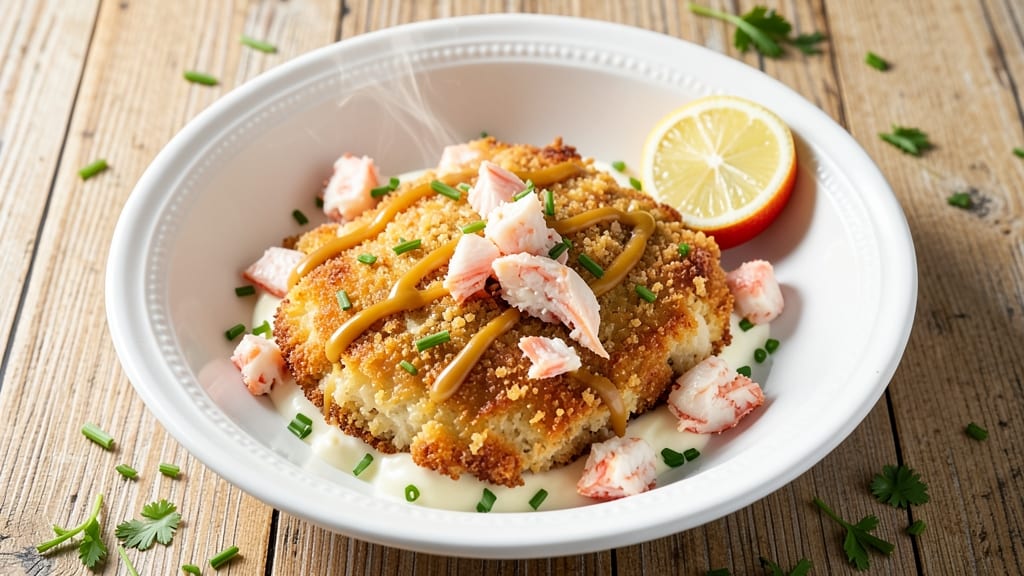
Mastering Eddie V's signature crab cakes means balancing tender crab meat with crispy texture and bright, zesty flavors—just like the iconic dish from the beloved restaurant. The secret lies in using fresh lump crab meat, properly balanced seasonings, and a gentle frying technique that ensures golden-brown perfection every time.
I've recreated this recipe after years of perfecting the art of crab cakes, combining my grandmother's Italian precision with Eddie V's signature approach.
What sets these crab cakes apart is the golden crunch achieved through a precise mix of breadcrumbs and egg binder, which creates a satisfying exterior while keeping the interior tender.
The zesty lemon aioli adds a bright, tangy contrast that cuts through the richness of the crab, making each bite unforgettable. This recipe delivers restaurant-quality results with simple, professional techniques that anyone can master at home.
The final product will be crab cakes with crispy edges and a moist, flavorful interior, served alongside the signature lemon aioli for dipping. The combination of sweet crab, savory seasonings, and bright lemon creates a harmonious balance that's both comforting and exciting.
Whether you're serving them as an appetizer or a main dish, these crab cakes are sure to impress.
Pair them with a crisp green salad or steamed vegetables for a complete meal, or serve them as part of a seafood platter. The key to success is patience—don't rush the frying process, and let the crab cakes cook through evenly for that perfect texture.
Here's how to make them just like Eddie V's.
Ingredients for eddie v's crab cake
The foundation of authentic Eddie V's crab cakes—where premium seafood meets precise technique for golden crunch and zesty harmony.
| Ingredient | Amount | Notes |
|---|---|---|
| Fresh Lump Crab Meat 🦀 | 1 ½ lb | Backfin preferred, shell-free |
| All-Purpose Flour 🌾 | ¼ cup | For binder consistency |
| Panko Breadcrumbs 🍞 | ½ cup | Japanese-style for crispiness |
| Large Eggs 🥚 | 2 whole | Cold for proper binding |
| Mayonnaise 🍳 | ¼ cup | Full-fat for richness |
| Fresh Lemon Juice 🍋 | 2 tbsp | Strained, no pulp |
| Dijon Mustard 🌶️ | 1 tbsp | Mild variety preferred |
| Extra-Virgin Olive Oil 🫒 | ¼ cup | For frying, 350°F |
| Salt 🧂 | 1 ½ tsp | Diamond Crystal kosher |
| Black Pepper 🌶️ | ½ tsp | Freshly cracked |
| Old Bay Seasoning 🧂 | 1 tsp | Classic seafood blend |
| Fresh Chives 🌿 | 2 tbsp | Finely chopped, garnish |
| Lemon Zest 🍋 | 1 tbsp | From organic lemons |
| Unsalted Butter 🧈 | ¼ cup | Cold, cubed, for aioli |
The crab meat is non-negotiable here. Backfin lump crab from a reputable seafood purveyor like Whole Foods or Trader Joe's delivers that signature sweetness and texture. Look for vibrant, moist meat with minimal shell fragments—avoid pre-packaged mixes that often contain filler. Store-bought crab cakes? They can't compete with the freshness of properly handled lump crab. If working with frozen crab, thaw it overnight in the fridge, never at room temperature. The Old Bay seasoning should be freshly purchased—it loses potency after about 6 months, and that distinct seafood flavor is essential for authenticity.
No panko? Plain breadcrumbs toasted in a dry pan for 2 minutes work as a substitute, though they won't be as crispy. The mayonnaise acts as both a binder and fat source—Duke's or Hellmann's are reliable choices, but avoid low-fat versions that can make the cakes dry. For the lemon aioli, European-style butter like Plugrá adds superior flavor, though regular unsalted butter will suffice. If you're out of Dijon mustard, yellow mustard at half the amount provides similar tang. The chives can be swapped for parsley, though they offer a more delicate, oniony brightness that pairs beautifully with the seafood. Always measure your salt carefully—Diamond Crystal kosher dissolves more cleanly than table salt, preventing overly salty bites.
Freshly made crab cakes should be fried immediately for optimal texture, but you can form them up to 2 hours ahead and refrigerate them uncovered. For the aioli, prepare it no more than 30 minutes before serving to maintain its creamy consistency. Leftovers keep for 2 days refrigerated and can be gently reheated in a skillet with a touch of olive oil. The breading loses crispiness when reheated, so it's best enjoyed fresh. For storage, wrap the crab cakes tightly in parchment paper to prevent drying. The aioli can be stored separately for up to 3 days but tastes best when freshly whipped.
Why You'll Love This Recipe
- Here’s what sold me: these crab cakes are ready in 20 minutes (if you prep ahead) and feed four people without a single sad, half-eaten plate. Serve them with a simple arugula salad and you’ve got a meal that feels fancy but doesn’t require a weekend. My daughter even picked out the fresh chives for garnish—proof they’re universally loved.
- No Fuss Assembly: I’ll be real—most crab cakes require a full grocery haul and hours of prep. This recipe? Just toss that 1.5 lb fresh lump crab meat with ¼ cup mayonnaise, a splash of lemon, and 1 tsp Old Bay seasoning, and you’re 80% done. The panko breadcrumbs and all-purpose flour mix take two minutes, and suddenly you’ve got a foolproof binder that holds everything together without fuss.
- Chef’s Kiss Texture: That crispy golden crust? Extra-virgin olive oil at 350°F does the magic, but the real secret is the ½ cup panko breadcrumbs—they create a crunch that gives way to the creamy, buttery unsalted butter aioli drizzled on top. The fresh lemon zest and Dijon mustard keep it bright, not heavy. Trust me, the contrast is dangerously addictive.
- Weeknight Hero: Here’s what sold me: these crab cakes are ready in 20 minutes (if you prep ahead) and feed four people without a single sad, half-eaten plate. Serve them with a simple arugula salad and you’ve got a meal that feels fancy but doesn’t require a weekend. My daughter even picked out the fresh chives for garnish—proof they’re universally loved.
Step-by-step instructions for Eddie V's crab cakes recipe
Master the perfect balance of texture and flavor with this professional method.
Prepare the Crab Cake Mixture
In a large mixing bowl, gently combine the 1½ lb fresh lump crab meat with the ¼ cup mayonnaise, 2 tbsp fresh lemon juice, 1 tbsp Dijon mustard, 1 tbsp lemon zest, 1½ tsp salt, ½ tsp black pepper, and 1 tsp Old Bay seasoning. The crab meat should be just barely mixed—avoid overworking it, as this can break down the delicate texture. Use your hands or a fork to fold everything together until evenly distributed but still slightly chunky.
In a separate shallow bowl, whisk together the 2 large eggs until just combined. Add the ¼ cup all-purpose flour and ½ cup panko breadcrumbs to the eggs, mixing until you have a thick, paste-like consistency. This mixture will serve as your binding agent and crust for the crab cakes. The panko should be evenly distributed but not fully incorporated—small crumb clusters will create texture later.
Assemble and Chill the Crab Cakes
Transfer the crab mixture to a clean work surface and carefully fold in the egg-panko mixture. Work quickly but gently—this is where the texture comes together. The dough should hold its shape when pressed but remain slightly moist. Divide the mixture into 4 equal portions, each about 3 ounces in weight, and shape them into ¾-inch thick patties. Press down firmly but evenly to create smooth, uniform surfaces.
Place the shaped crab cakes on a parchment-lined baking sheet and cover them loosely with plastic wrap. Refrigerate for at least 30 minutes (or up to 2 hours) to firm them up. This chilling step is critical—it allows the binding agents to set and ensures the crab cakes hold together when frying. If the mixture feels too wet after shaping, add an extra 1-2 tablespoons of panko breadcrumbs to absorb excess moisture.
Fry to Golden Perfection
Heat ¼ cup extra-virgin olive oil in a large skillet over medium heat until it reaches 350°F. Use a thermometer to monitor the temperature—this precision is key to achieving a crispy exterior without overcooking the interior. Once the oil is properly heated, carefully place 2 crab cakes in the skillet, leaving space between them. Avoid overcrowding, as this will lower the oil temperature and lead to greasy rather than crispy results.
Fry for 3-4 minutes per side, or until the crab cakes develop a deep golden-brown crust. You'll see small bubbles forming along the edges, and the underside should release easily from the pan when gently lifted with a spatula. Transfer the cooked crab cakes to a paper towel-lined plate to drain excess oil. Repeat the process with the remaining crab cakes, adding more olive oil if needed to maintain the 350°F temperature.
Prepare the Zesty Lemon Aioli
While the crab cakes are frying, prepare the aioli by combining the ¼ cup unsalted butter (cold and cubed) with 2 tbsp fresh lemon juice in a small saucepan. Place the saucepan over low heat and whisk constantly until the butter melts completely and the mixture becomes smooth. Remove from heat and let it cool slightly—it should thicken as it sits. If the aioli is too thick, whisk in 1-2 teaspoons of warm water to reach a drizzling consistency.
The aioli should have a bright, tangy flavor with a creamy texture. Taste and adjust the seasoning if needed—add a pinch of salt or a splash of lemon juice to balance the flavors. Keep the aioli warm in a small bowl until ready to serve.
Serve with Garnish and Aioli
Once all crab cakes are fried, transfer them to a serving platter. Garnish each crab cake with 2 tbsp finely chopped fresh chives, distributing them evenly over the top. The chives add a fresh, oniony brightness that complements the rich crab flavor. Serve the crab cakes immediately with the zesty lemon aioli on the side for dipping.
Each crab cake should have a crispy, golden-brown exterior that gives way to a tender, flavorful interior. The aioli should cling beautifully to the crab cakes, enhancing their natural sweetness with a tangy, buttery finish. For best results, serve with a side of lemon wedges and a simple arugula salad to balance the richness.
Pro Tips For Making Eddie V'S Crab Cake
- Check Oil Temp: I learned this the hard way—skipping the thermometer means guessing, and guessing means greasy, sad crab cakes. Hit exactly 350°F with that ¼ cup olive oil, or your crust will turn into a sad, limp mess instead of golden perfection. Trust me, the $10 thermometer is worth it.
- Handle Crab Gently: Lump crab meat is delicate—treat it like eggs. Use your hands (warm them first if you’re nervous) or a fork to fold, not a spoon. Overmixing turns those sweet, intact lumps into mush, and nobody wants a sad, broken crab cake.
- Skip the Crowding: Two crab cakes at a time, no more. I’ve fried four at once thinking I’d save time, and ended up with greasy, unevenly cooked disasters. Keep the oil at 350°F and give them space—they’ll crisp up faster and taste like they’re from a restaurant.
- Chill Like Your Cakes Depend on It: That 30-minute fridge nap isn’t optional—it’s the difference between a crab cake that holds together and one that crumbles into the pan. Cover them loosely (no airtight seal) and let the binding agents do their job. If the mixture feels too wet after shaping, add 1-2 extra tablespoons of panko—just don’t skip the chill.
Troubleshooting this dish
Crab Meat Too Wet?
If your crab cakes feel too moist after shaping, the issue is usually excess liquid from the crab meat. Drain the 1½ lb lump crab meat thoroughly in a clean kitchen towel for 10 minutes before mixing—this removes surface moisture without breaking down the texture.
If it's still too wet, add 1-2 extra tablespoons of panko when folding in the egg mixture to absorb the moisture. I've learned this trick from my grandmother—she always patted crab meat dry like she was wringing out a sponge! 🧂
Overworking the Mixture
When the crab cakes turn out dense or dry, it's usually because you overmixed the ingredients. The key is to fold everything together with your hands just until combined—no more than 10-15 seconds of mixing after adding the egg-panko binder.
Overworking breaks down the delicate crab fibers, making them tough. I always remind myself: "Less is more" when handling seafood. 💫
Frying Temperature Troubles
If your crab cakes aren't getting that perfect golden-brown crust, your oil temperature might be off. Use a thermometer to maintain 350°F—any lower, and they'll absorb too much oil; any higher, and the outside burns before the inside cooks.
I keep a second thermometer handy just for this purpose. If the oil cools too much, add a few drops of hot water to bring it back up quickly. 🌡️
Cakes Falling Apart
Weak crab cakes that fall apart during frying usually need more binding. Make sure you're using 2 whole cold eggs and ¼ cup flour in your binder mixture. If your mixture still feels too loose, add another 1-2 tablespoons of flour gradually while mixing.
I've found that underbinding is the most common mistake—it's like trying to build a house without enough mortar! 🏗️
Aioli Too Thin or Separating
The aioli should be thick enough to coat the back of a spoon but still drizzle nicely. If it's too thin, whisk in 1 teaspoon of warm water at a time until it reaches the right consistency.
If it separates, remove it from heat immediately and whisk vigorously until it emulsifies again. I always keep a small bowl of ice water nearby to cool the aioli quickly if it starts to break. This prevents the butter from melting too much and causing separation. 🧊
Nutrition facts
Frequently asked questions
Why does this recipe call for chilling the crab cakes before frying?
The 30-minute chill lets the eggs and flour bind properly, creating a firmer texture that holds together during frying. This step prevents the cakes from falling apart when cooked—just like how my grandmother's pasta dough needed time to rest for perfect al dente noodles!
Can I substitute panko breadcrumbs with regular breadcrumbs?
You can, but expect slightly less crispiness. Panko's Japanese-style texture creates that perfect golden crust—like the difference between homemade pasta and store-bought. For best results, toast regular breadcrumbs in a dry pan for 2 minutes first to mimic panko's crispness.
What if my crab cakes stick to the pan during frying?
Preheat your skillet thoroughly and use enough 350°F oil to fully submerge the cakes. A well-seasoned cast-iron pan helps too—just like my Nonna's favorite pan that never needed nonstick coating. If they stick, the oil temperature was too low or the cakes weren't chilled properly.
How do I prevent the aioli from separating?
Whisk constantly over low heat and remove it immediately when the butter melts. If separation occurs, cool the mixture quickly in an ice water bath while whisking vigorously. This keeps the emulsion stable—just like how my grandmother always kept her sauces cool for that perfect silky texture.
Can I make these crab cakes ahead of time?
Yes! Form the cakes up to 2 hours ahead and refrigerate them uncovered. Fry them immediately when ready to serve. The texture stays perfect—just like how my Sicilian family always prepared our pasta dough the night before for that authentic feel.