
Main Courses
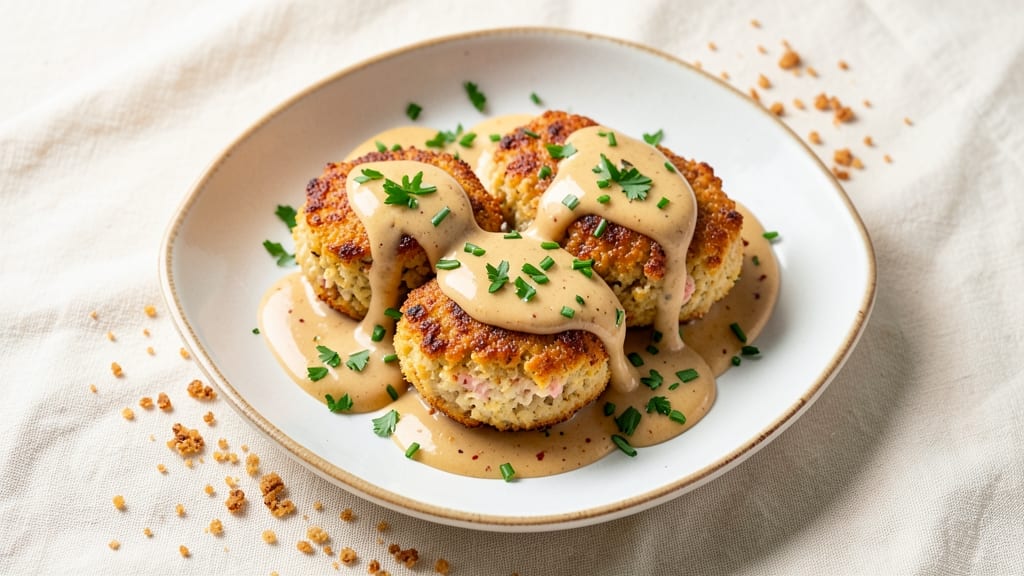
Emeril Lagasse's crab cakes recipe delivers the crispy shells and bold flavors that make this dish a restaurant favorite. The secret lies in balancing fresh crab meat with a crispy breadcrumb crust and a touch of mustard for that signature tang.
I've tested this recipe countless times to perfect the texture—golden-brown exteriors that shatter when cut, hiding tender, flavorful centers.
What sets these crab cakes apart is Emeril's signature blend of spices, including Old Bay seasoning and a hint of cayenne for heat. The lemon aioli adds a bright, zesty finish that cuts through the richness of the crab.
With just 15 minutes of active prep and 10 minutes of cooking, you'll have a dish that feels like a seafood house special without the fuss.
The result is a crab cake with a crispy exterior that holds its shape, thanks to a proper breading technique, while the interior stays moist and packed with flavor. The lemon aioli ties everything together, adding a tangy contrast that makes every bite unforgettable.
Serve with a side of steamed asparagus or a simple green salad for a complete meal.
This recipe is perfect for weekend brunches, summer gatherings, or when you're craving something special without the restaurant price tag. The technique is straightforward, but the results are anything but basic—restaurant-quality crab cakes made in your own kitchen.
Ingredients for emeril lagasse crab cake
Crispy exteriors, tender centers, and bold flavors—here’s what you need for Emeril’s legendary crab cakes.
| Ingredient | Amount | Notes |
|---|---|---|
| Lump Crab Meat 🦀 | 2 lbs | Pickled or fresh, picked through |
| All-Purpose Flour 🌾 | 1 ½ cups | For breading crust |
| Panko Breadcrumbs 🍞 | 1 cup | Extra-crispy texture |
| Large Eggs 🥚 | 2 whole | Room temperature for binding |
| Old Bay Seasoning 🌿 | 1 tbsp | Essential for flavor |
| Dijon Mustard 🍯 | 1 tbsp | For tangy depth |
| Cayenne Pepper 🔥 | ¼ tsp | Adjust for heat preference |
| Fresh Lemon Juice 🍋 | ¼ cup | Brightens the flavor |
| Mayonnaise 🥚 | ½ cup | Full-fat for creaminess |
| Fresh Parsley 🌿 | ¼ cup | Chopped, for garnish |
| Butter 🧈 | ½ cup | Unsalted, melted for frying |
| Salt 🧂 | 1 tsp | Kosher or sea salt |
| Black Pepper 🌶️ | ½ tsp | Freshly ground preferred |
| Vegetable Oil 🫒 | ½ cup | For frying, neutral flavor |
The crab meat is the star, so opt for lump crab—it holds together better than chunk. Pickled crab works in a pinch, but fresh is ideal if you can find it. Costco or seafood markets often carry large quantities at reasonable prices. When picking through the meat, discard any shells or veins—this isn’t the time to rush. For the breading, Panko is non-negotiable; it delivers that perfect crispiness Emeril’s recipe demands. The flour acts as a binder, but the Panko ensures that golden-brown shatter when you cut into them.
No Old Bay seasoning? Mix equal parts smoked paprika, garlic powder, and onion powder—it’s not identical, but it gets you close. Dijon mustard is key for that signature tang; substitute whole-grain mustard at half the amount if needed. Short on cayenne? Red pepper flakes work, but reduce the amount by half to avoid overpowering the dish. Mayonnaise should be full-fat—light mayo won’t hold up to the frying process. For the lemon aioli, freshly squeezed juice is a must; bottled just won’t cut it. And if you’re out of parsley, chopped dill adds a similar freshness, though the flavor differs slightly.
These crab cakes are best made the day you plan to serve them, but if you must prep ahead, shape and refrigerate them uncooked for up to 12 hours. When ready to cook, pat them dry to ensure maximum crispiness. Keep the melted butter and oil warm while frying—cold oil leads to greasy cakes. For storage, reheat gently in a skillet with a splash of water to restore moisture. They also freeze beautifully for up to 3 months—thaw overnight in the fridge before cooking. Portion into meal prep containers for easy reheating, and pair with a squeeze of lemon or extra aioli to revive the tang.
Why You'll Love This Recipe
- Lump crab meat: isn’t cheap, but this recipe stretches it so well—2 lbs makes enough for four hearty servings (or six if you’re sharing). The panko and flour are pantry staples, and the butter and vegetable oil double as everyday cooking essentials. It’s not a splurge, it’s a smart investment—because these won’t last long anyway. Trust me, the leftovers (if there are any) disappear faster than my willpower around dessert.
- No-Prep Panic: Honestly, I’ve made crab cakes where I spent 20 minutes dicing herbs or prepping some fancy binder—this? Just scoop that lump crab meat, mix it with mayonnaise, Old Bay, and a splash of lemon juice, and boom. The panko and flour breading takes two minutes to set up, and the room-temperature eggs bind it all without fuss. My kids can handle this while I watch a show.
- Crispy-Creamy Contrast: That first bite—golden panko crust meeting tender lump crab? Chef’s kiss. The Dijon mustard and cayenne pepper add a little kick, but the real magic is the Old Bay seasoning and fresh parsley brightening up the richness of the mayonnaise and butter. It’s like a party in your mouth, and I’ll be real: you’ll want seconds before you even finish the first.
- Fry-Free Flexibility: Need to feed a crowd for game day? These crab cakes freeze like a dream for up to three months—just thaw overnight and fry fresh. Or, if you’re prepping ahead, shape them raw and stash them in the fridge for 12 hours max. I once made a batch Sunday, popped them in the freezer, and pulled them out for a last-minute brunch. Still tasted like they were made yesterday.
Step-by-step instructions for Emeril Lagasse's crab cakes
Here's how to build crab cakes with Emeril's signature crispy exterior and tender interior.
Prepare the Crab Mixture
In a large bowl, combine the 2 lbs lump crab meat with the ½ cup mayonnaise, 1 tbsp Dijon mustard, 1 tbsp Old Bay seasoning, 1 tsp salt, ½ tsp black pepper, and ¼ tsp cayenne pepper. Using your hands, gently mix until just combined—avoid overworking the crab or it will turn dense. The mixture should hold together when pressed but still feel slightly loose.
Fold in the ¼ cup fresh lemon juice and ¼ cup chopped fresh parsley. This brightens the flavor and adds freshness that balances the richness of the mayonnaise. Let the mixture rest for 15 minutes in the refrigerator while you prepare the breading station. This brief rest helps the flavors meld and makes the crab cakes easier to handle when forming.
Create the Breading Station
Set up three shallow dishes: one with the 1½ cups all-purpose flour, one with the 1 cup panko breadcrumbs, and one with the 2 large eggs beaten until frothy. The flour should be seasoned with an additional ½ tsp salt and ¼ tsp black pepper—this ensures every layer contributes to the flavor. Keep the ½ cup vegetable oil and ½ cup melted butter warmed in separate small bowls for frying.
Here's the thing—don't skip the panko. Its light, airy texture creates that signature crispy shell while the flour provides structure. I like to use a fine-mesh sieve for the flour to avoid clumps that can make the breading uneven. Arrange your dishes in order of dipping: flour first, then egg, then panko. This keeps your workspace organized and prevents cross-contamination.
Form and Bread the Crab Cakes
Using a ¼ cup measuring cup, scoop the crab mixture and gently pack it into patties about ¾-inch thick. Don't press too firmly—you want them to hold together but still be tender. Place each patty on a parchment-lined plate and let them rest for 10 minutes while you prepare the frying station. This resting time helps them maintain their shape during breading.
Working with one crab cake at a time, dredge it in the seasoned flour, shaking off any excess. Dip into the beaten eggs, letting any excess drip off, then press into the panko breadcrumbs, coating all sides evenly. Place the breaded crab cakes on a wire rack set over a baking sheet. This keeps them from steaming and ensures a crispy finish. Repeat until all crab cakes are breaded and set aside to firm up for 5 minutes before frying.
Fry to Golden Perfection
Heat ½ cup vegetable oil and ½ cup melted butter in a large skillet over medium heat until the mixture reaches 350°F. A deep-fry thermometer is your best tool here—this temperature ensures a crispy exterior without burning the breading. If you don't have one, test the oil by dropping in a small piece of breading: it should sizzle and turn golden in 30 seconds.
Carefully place the breaded crab cakes in the skillet, working in batches to avoid overcrowding. Fry for 3-4 minutes per side until they're deep golden brown and the breading is crispy. Don't walk away—keep an eye on them to prevent burning. The internal temperature should reach 145°F when checked with an instant-read thermometer. Transfer the cooked crab cakes to a paper towel-lined plate to drain any excess oil.
Serve with Zesty Lemon Aioli
While the crab cakes rest for 2-3 minutes, prepare the lemon aioli by combining the remaining ½ cup mayonnaise (if any is left after mixing with the crab) with ¼ cup fresh lemon juice, ½ tsp Dijon mustard, and a pinch of salt. Whisk until smooth and creamy. If you prefer a thinner consistency, add a splash of warm water or more lemon juice. This aioli cuts through the richness of the crab cakes beautifully.
Garnish each crab cake with an extra sprinkle of chopped fresh parsley and serve immediately with the lemon aioli on the side. The contrast of crispy, golden shells with the tender, flavorful crab inside is what makes these crab cakes unforgettable. Serve with a simple arugula salad or steamed vegetables to complete the meal.
Pro Tips For Making Emeril Lagasse Crab Cake
- Test Oil Heat: I learned this the hard way—dropping a tiny piece of panko into your 350°F oil is the only way to know for sure. If it doesn’t sizzle and turn golden in 30 seconds, your crab cakes will either be greasy or burned. Trust the test, not your guesswork.
- Sieve the Flour: That 1½ cups of all-purpose flour looks innocent until you realize clumps will ruin your crispy crust. Run it through a fine-mesh sieve first—yes, even if it feels like overkill. Smooth, even breading is the difference between "good" and "restaurant-quality."
- Press, Don’t Pack: When forming your ¾-inch patties, resist the urge to squeeze like you’re making hockey pucks. Gently press the crab mixture—just enough to hold shape, but leave it tender. Overcompressing turns them into dense bricks, and nobody wants that.
- Rest the Patties: Those 10 minutes on parchment before breading aren’t optional—they let the crab mixture firm up just enough to stay together when you dip. Skip it, and your panko will slide off like you’re breading a wet paper towel. (Your future self will thank you.)
Flavor customization for this recipe
Spicy Crab Cake Twist
The original recipe already delivers bold flavor, but adding ½ tsp extra Old Bay seasoning and ½ tsp smoked paprika to the crab mixture cranks up the heat while keeping it complex.
For a fiery kick, mix 1 tsp sriracha into the lemon aioli—it balances the richness without overpowering. I love this version for summer cookouts when guests want something with attitude. 🌶️
Cajun-Inspired Fusion
Swap 1 tbsp Old Bay for 1 tbsp Cajun seasoning in the crab mixture, then add 1 tbsp chopped green onions and 1 tsp filé powder for an authentic Louisiana twist.
Fry in ½ cup bacon fat instead of oil for extra smokiness—this version feels like a seafood gumbo component. Serve with a side of remoulade sauce for the full Cajun experience.
Creamy Garlic Parmesan
For a rich, cheesy variation, stir ¼ cup grated Parmesan cheese and 2 tbsp chopped garlic into the breading flour mixture. Add 1 tbsp cream cheese to the crab mixture for extra creaminess.
The garlic parmesan breading creates a decadent contrast to the tangy lemon aioli. This version is perfect for seafood lovers who want indulgence without sacrificing texture. 🧀
Lemon-Herb Crunch
Boost the brightness by adding 1 tbsp chopped dill and 1 tbsp chopped chives to the crab mixture alongside the parsley. For extra crunch, top each crab cake with 1 tsp crushed cornflakes before frying—it adds a sweet, crunchy texture that pairs beautifully with the lemon aioli.
This variation feels fresh and vibrant, ideal for spring and summer gatherings.
Smoky BBQ Glaze
After frying, brush the warm crab cakes with 2 tbsp BBQ sauce (like Sweet Baby Ray's) mixed with 1 tsp honey and ½ tsp smoked paprika. Let it cool slightly so the glaze sets into a sticky, smoky coating.
Serve with a side of pickled red onions for acidity—this sweet-and-smoky version surprises even BBQ purists. 🔥
Nutrition facts
Frequently asked questions
Why does Emeril Lagasse's recipe use panko breadcrumbs instead of regular breadcrumbs?
The panko breadcrumbs are essential for achieving that signature crispy exterior! Unlike regular breadcrumbs, panko stays light and airy even after frying, creating a golden shell that shatters when you take a bite. The flour provides structure, but the panko ensures that perfect texture Emeril’s recipe is famous for. Don’t skip it!
How do I prevent my crab cakes from falling apart when frying?
Gently pack the crab mixture into patties using a ¼ cup measuring cup and avoid pressing too hard when forming. Let them rest for 10 minutes before breading, then chill the breaded cakes for 5 minutes before frying. This helps them hold their shape and crisp up beautifully. Overmixing the crab or skipping the resting steps can make them crumble.
What’s the best way to test if the frying oil is ready?
Heat the oil to 350°F—use a thermometer for accuracy. If you don’t have one, drop a small piece of breading into the oil: it should sizzle and turn golden in about 30 seconds. If it floats immediately or burns too fast, the oil is too hot; if it doesn’t brown quickly, it needs more heat. Consistency is key!
Can I make these crab cakes ahead of time?
Yes! Shape the uncooked crab cakes and refrigerate them for up to 12 hours. Pat them dry before frying to ensure maximum crispiness. For freezing, cook the cakes first, let them cool completely, then wrap tightly in plastic and freeze for up to 3 months. Reheat gently in a skillet with a splash of water to restore moisture.