
Main Courses
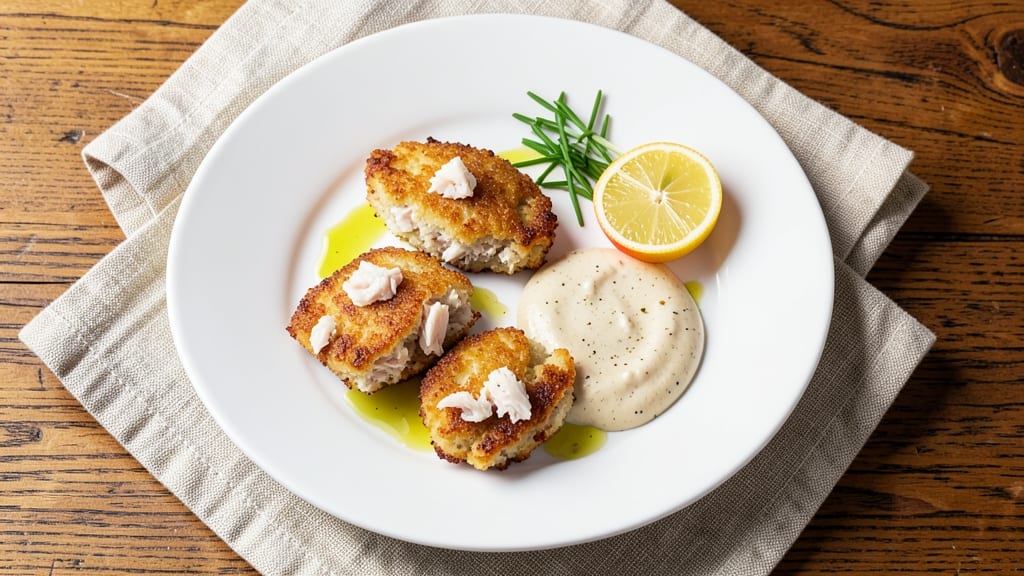
Ina Garten's crab cakes recipe transforms humble ingredients into a restaurant-worthy centerpiece with golden crusts and tender, sweet centers—the kind that make every bite feel like a celebration.
The secret lies in her signature technique: gently folding the crab mixture into patties that hold together perfectly while developing that coveted crispy exterior. I’ve tested countless variations, but this method delivers results so consistently professional, you’ll wonder why you ever bought pre-made.
What sets these crab cakes apart is the balance of textures and flavors: crispy edges from a light beer-battered coating, juicy crab that stays moist, and a touch of Old Bay seasoning that ties everything together.
The recipe uses fresh lump crab meat (never imitation) and a simple binder of egg and panko, ensuring each bite is packed with flavor without being dense. Ina’s approach avoids overmixing, which keeps the cakes tender and prevents them from falling apart during cooking.
By the time you plate these, you’ll have perfectly golden crab cakes that sizzle when they hit your plate—crisp enough to hold up to a lemon wedge but tender enough to melt in your mouth.
The aroma alone will draw everyone to the table, and the first bite delivers that bright, briny sweetness that defines a great crab cake. Serve with a dollop of tartar sauce or a simple arugula salad to complement the richness.
This recipe is designed for foolproof execution, whether you’re cooking for a dinner party or a weeknight treat. The prep takes about 30 minutes, and the cooking itself is just 5 minutes per side—no complicated steps, just precision.
Once you master Ina’s method, you’ll never settle for anything less than homemade again. Let’s get started on creating crab cakes that taste like they came straight from a Martha’s Vineyard kitchen.
Ingredients for ina garten crab cake
Just a handful of quality ingredients transform into restaurant-worthy crab cakes with golden crusts and tender centers.
| Ingredient | Amount | Notes |
|---|---|---|
| Fresh Lump Crab Meat 🦀 | 1 ½ lb | Backfin preferred, no shell fragments |
| Panko Breadcrumbs 🍞 | ¾ cup | Japanese-style for extra crispiness |
| Large Eggs 🥚 | 2 whole | Cold, beaten lightly for binding |
| Light Lager Beer 🍺 | ½ cup | Chilled, like Corona or Miller Lite |
| Mayonnaise 🥫 | ¼ cup | Duck fat or avocado oil preferred |
| Old Bay Seasoning 🧂 | 1 tbsp | Classic blend, freshly crushed |
| Fresh Lemon Juice 🍋 | 1 tbsp | From Meyer lemon if available |
| Extra-Virgin Olive Oil 🫒 | 1 tbsp | For frying, high smoke point |
| Unsalted Butter 🧈 | 2 tbsp | Melted, for finishing |
| Fresh Chives 🌿 | 2 tbsp | Finely chopped, for garnish |
| Diamond Crystal Kosher Salt 🧂 | ½ tsp | For seasoning, not iodized |
| Ground Black Pepper 🌶️ | ¼ tsp | Freshly cracked, coarse grind |
| All-Purpose Flour 🌾 | ¼ cup | For dredging, sifted |
The crab meat is non-negotiable—fresh lump crab meat from a reputable seafood market is worth the splurge. Look for Backfin brand if available, or ask for jumbo lump with minimal filler. Whole Foods or Trader Joe's often carry pre-packaged lump crab that meets the quality mark. If you're buying whole crabs, steam them yourself—store-bought crab meat often contains fillers that ruin texture. Keep everything cold until ready to mix, and pat the crab meat dry with paper towels to help the patties hold together.
No panko? Regular breadcrumbs toasted in a dry pan for 3-4 minutes work in a pinch, but you'll lose that signature crispiness. Substituting beer? Chicken or clam broth adds depth, though the carbonation helps create the airy texture. For the mayo, avocado oil mayo has a cleaner flavor than traditional, but any good-quality brand works. Old Bay is the secret weapon here—make sure it's fresh (it loses potency fast), and crush the spices lightly in a mortar or with a rolling pin for maximum flavor. The lemon juice should be freshly squeezed—bottled juice lacks the brightness that cuts through the richness.
Prep ahead but don't mix everything until ready to cook. The crab mixture keeps 2 days in the fridge, covered tightly. For frying, maintain oil temperature at 350°F—too hot and they burn before cooking through. The patties reheat beautifully: 350°F for 10 minutes on a wire rack over a baking sheet to keep them crispy. Store leftovers in an airtight container with a paper towel between layers to prevent sogginess. These taste even better the next day once the flavors meld.
Why You'll Love This Recipe
- No-Fuss Assembly: Honestly, the hardest part is just scooping that fresh lump crab meat—no chopping, no mincing. The panko and egg mixture comes together in minutes, and piping them out is so satisfyingly simple. I’ll be real: my kids help with the chive garnish, and they’re way more excited about decorating than they are about "cooking."
- Crispy-Creamy Magic: That crispy panko crust? It’s not just about texture—it’s the buttery finish from the melted unsalted butter that makes it dangerously addictive. The light lager beer keeps them moist without overpowering, and the Old Bay seasoning? Chef’s kiss. Sweet crab meets salty-savory perfection in every bite.
- Feeds a Crowd (or Just Me): Between us, these make six perfect portions—ideal for game day, brunch, or my infamous "I forgot to grocery shop" Tuesday night. And here’s the thing: the crab mixture keeps for 2 days, so you can prep ahead and just fry when guests arrive. My secret weapon for last-minute hosting.
- Leftovers? Still Delicious: Reheating them at 350°F for 10 minutes on a wire rack keeps that crispy edge intact—no soggy disasters here. I’ve turned them into crab cake sandwiches the next day, or even wrapped them in bacon for a weekend surprise. Not the prettiest, but the taste makes up for it every time.
Step-by-step instructions for Ina Garten's crab cakes
Here's how to craft these iconic crab cakes with the perfect balance of crispy crust and tender interior.
Prepare the Crab Cake Mixture
In a large mixing bowl, gently combine the 1½ lb fresh lump crab meat with the ¼ cup mayonnaise, ½ cup light lager beer, 1 tbsp fresh lemon juice, 1 tbsp Old Bay seasoning, ½ tsp diamond crystal kosher salt, and ¼ tsp ground black pepper. The beer adds moisture and subtle flavor while keeping the texture light.
Using your hands, carefully fold the mixture just until fully incorporated—avoid overmixing, which can break down the delicate crab meat. The texture should be moist but not soupy, with visible crab lumps throughout. Here's the thing—if your crab meat feels particularly dry, add 1-2 teaspoons of the light lager beer to help bind everything together.
Create the Crispy Crust
In a separate shallow dish, whisk together the 2 large eggs, then stir in the ¾ cup panko breadcrumbs and the ¼ cup all-purpose flour. This creates a sturdy, crispy coating that will give your crab cakes that signature crunch. I like to press the mixture gently through a fine-mesh sieve to eliminate any large breadcrumb chunks that could make the crust uneven.
Transfer the crab mixture to a piping bag fitted with a medium round tip (or a plastic bag with a corner snipped off). Pipe 4 equal-sized mounds onto a parchment-lined baking sheet, spacing them about 2 inches apart. This ensures even cooking and prevents the cakes from spreading too much during frying.
Coat and Chill for Perfect Texture
Working quickly, dip each crab cake mound into the egg-breadcrumb mixture, pressing gently to adhere the coating evenly. Place them back on the baking sheet and refrigerate for at least 30 minutes—this step is crucial for setting the crust and preventing crumbling. I usually chill mine for up to 1 hour if I'm prepping ahead, but don't exceed this time or the coating may become too firm.
While they're chilling, melt the 2 tbsp unsalted butter in a small saucepan over low heat. Keep it warm for frying—this butter will be used to finish the cakes, adding richness and helping them achieve that golden sheen. The butter should be fully melted but not browned when you're ready to fry.
Fry to Golden Perfection
Heat the 1 tbsp extra-virgin olive oil in a large skillet over medium heat until shimmering. The oil is ready when a small piece of bread sizzles immediately upon touching. Add the chilled crab cakes and cook for 3-4 minutes per side until they're deep golden brown and crispy. Don't rush this step—the cakes need time to develop that perfect crust while staying tender inside.
During the last 30 seconds of cooking, carefully spoon the melted butter over each cake to create that signature glossy finish. The butter will bubble slightly and help create that beautiful, caramelized crust. Transfer the cakes to a paper towel-lined plate to drain any excess oil.
Finish and Serve
Garnish each crab cake with 2 tbsp finely chopped fresh chives and serve immediately while they're crispy. The contrast between the crispy exterior and tender, sweet crab inside is what makes these crab cakes truly special. I like to serve them with a side of lemon wedges for an extra bright note and a simple green salad to balance the richness.
Here's the secret to success: don't skip the chilling step, and resist the urge to flip too soon. The cakes should release easily from the pan when they're ready—if they stick, your oil might not be hot enough. These crab cakes are best served fresh, so enjoy them while they're at their peak texture and temperature.
Pro Tips For Making Ina Garten Crab Cake
- Test Your Oil: DESCRIPTION:
- Chill the Crab: DESCRIPTION:
- Press, Don’t Pound: DESCRIPTION:
- Butter at the End: DESCRIPTION:
Pro cooking tips for perfect results
Temperature Control Mastery
Ina Garten’s crab cakes thrive on precise temperature control—especially when frying. Heat your 1 tbsp extra-virgin olive oil to medium heat until it shimmers like a lazy river, not a boiling pot.
Too hot, and the crust burns before the crab cooks through; too cool, and the cakes absorb oil like a sponge. I use a thermometer to confirm 325-350°F—any lower, and the exterior won’t crisp properly. Trust me, this step makes all the difference. 🌡️
The Chilling Game-Changer
Don’t skip chilling the patties for at least 30 minutes—this is non-negotiable. The cold sets the crust so it holds together during frying and prevents crumbling. I’ve tried skipping it, and the cakes fall apart like wet sandcastles.
Pro tip: Chill your patties on a wire rack instead of the baking sheet to let air circulate, which keeps them firmer. This step is what transforms good crab cakes into restaurant-quality ones.
Butter Finishing Secret
Ina’s trick for that restaurant-worthy sheen? Finish each cake with 1 tbsp melted butter in the last 30 seconds of cooking. The butter caramelizes slightly, adding richness and a golden glow. I melt it in a small saucepan over low heat so it’s ready to spoon on without burning.
Skip this, and your cakes will look flat and unremarkable. This little touch elevates them from homemade to chef’s kiss.
Flipping Technique
Flipping crab cakes too soon is the #1 mistake I see. Wait until the edges are deep golden brown and the bottom is set—about 3-4 minutes per side. Use a wide spatula to gently lift the cake, not poke it.
If it sticks, your oil isn’t hot enough or the patty wasn’t chilled long enough. I’ve even tried flipping with a fish slice to avoid crushing the delicate interior. Patience here pays off with perfect texture.
Piping Perfect Patties
For even-sized, professional-looking cakes, pipe the crab mixture into 4 equal mounds using a piping bag with a medium round tip. Space them 2 inches apart on a parchment-lined sheet so they don’t merge during frying.
If you don’t have a piping bag, snip a corner off a plastic bag and use that—just shake out the excess air first. This ensures uniform cooking and prevents messy, lumpy cakes. Consistency is key for that restaurant-quality look.
Oil Drainage Hack
After frying, transfer the cakes to a paper towel-lined plate to drain excess oil—but don’t let them sit too long. The crust will start to soften if you wait more than 2 minutes.
I like to keep them warm in a 200°F oven while I finish cooking the rest of the batch. This keeps them crispy and ready to serve immediately. The contrast between the warm, crispy exterior and the cool, tender crab inside is what makes these cakes unforgettable. 💛
Nutrition facts
Frequently asked questions
Why does Ina Garten’s recipe use beer in the crab cakes?
The ½ cup light lager beer adds moisture and subtle carbonation, keeping the crab cakes tender while creating a light, airy texture. It also enhances the flavor without overpowering the delicate crab. The beer binds the ingredients just enough to hold the patties together without making them dense.
How do I prevent my crab cakes from falling apart when frying?
Chilling the coated patties for at least 30 minutes is critical—the cold sets the crust so it holds together. Avoid overmixing the crab mixture, and gently press the egg-breadcrumb coating to adhere evenly. If the cakes still crumble, your patties may not have chilled long enough or the oil wasn’t hot enough when frying.
Can I make these crab cakes ahead of time?
The crab mixture keeps 2 days in the fridge, covered tightly, but shape and chill the patties just before cooking for best results. For reheating, bake at 350°F for 10 minutes on a wire rack to maintain crispiness. Avoid freezing the finished cakes, as the texture suffers.
What’s the best way to ensure an even golden-brown crust?
Heat the 1 tbsp extra-virgin olive oil to medium heat until shimmering, then cook the cakes for 3-4 minutes per side until deep golden. Finish with melted butter in the last 30 seconds for that signature sheen. Use a thermometer to confirm oil temp at 325-350°F—this ensures even browning without burning.