
Side Dishes
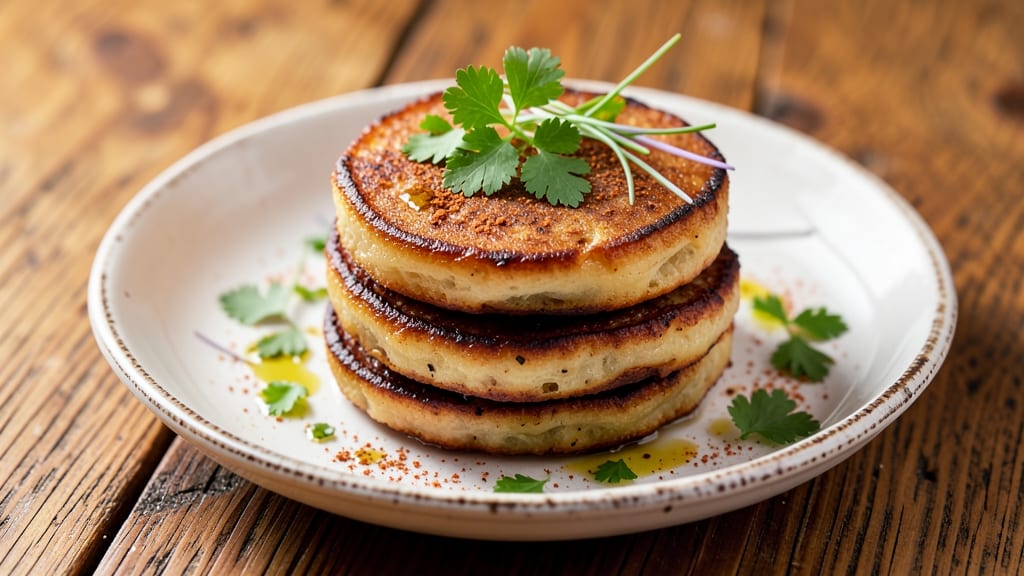
Mastering Gordon Ramsay’s potato cakes means achieving that signature crispy exterior with a tender, flaky interior—something I’ve perfected after countless batches. The secret lies in precise seasoning, proper potato selection, and a hot pan that delivers that golden crunch every time.
This isn’t just a side dish; it’s a technique that elevates any meal from ordinary to extraordinary.
Start with starchy potatoes like Russets, which hold their shape and absorb seasonings beautifully. A light flour coating and beaten eggs create the perfect batter for crispiness, while fresh herbs like parsley or chives add a bright, aromatic finish.
The key moment comes when you flip them—timing is everything to avoid soggy centers or burnt edges.
Once cooked, these potato cakes transform into a golden, shatteringly crisp side that pairs perfectly with aioli, tartar sauce, or even a simple lemon wedge. Serve them alongside fish and chips, as a hearty appetizer, or as a satisfying main course.
The result? A dish that rivals Ramsay’s own restaurant-quality potato cakes, right in your kitchen.
For extra flair, try adding smoked paprika or grated Parmesan to the batter, or swap the eggs for aquafaba for a vegan version. The method remains the same—just the ingredients adapt. Let’s get cooking!
Ingredients for gordon ramsay potato cakes
Starchy potatoes, crispy edges, and Ramsay’s signature technique—this is how you get it right.
| Ingredient | Amount | Notes |
|---|---|---|
| Russet Potatoes 🥔 | 3 lb | Peeled, cut into 1-inch cubes |
| All-Purpose Flour 🌾 | 1 cup | For coating potato cubes |
| Large Eggs 🥚 | 2 whole | Beaten for egg wash |
| Fresh Parsley 🌿 | ½ cup | Chopped, for garnish |
| Fresh Chives 🌿 | ¼ cup | Chopped, for garnish |
| Smoked Paprika 🌶️ | 1 tbsp | For flavor enhancement |
| Garlic Powder 🧄 | 1 tsp | For seasoning |
| Sea Salt 🧂 | 1 tsp | Fine grain preferred |
| Black Pepper 🌶️ | ½ tsp | Freshly ground |
| Vegetable Oil 🫒 | 1 cup | For frying, high smoke point |
| Aquafaba 🥛 | ¼ cup | Vegan alternative to eggs |
| Parmesan Cheese 🧀 | ¼ cup | Freshly grated, optional |
Russet potatoes are non-negotiable for this recipe. Look for firm, unblemished Russets—they’re the only ones with the right starch-to-moisture ratio for that perfect crunch. Most grocery stores carry them, but Costco’s bulk bins offer the best price if you’re making a big batch. If you can’t find Russets, Yukon Golds work in a pinch, though they’ll be slightly denser. Always store potatoes in a cool, dark place—the fridge turns their starch into sugar, which ruins the texture. For the best seasoning, toast your garlic powder and smoked paprika in a dry pan for 30 seconds before mixing with the flour. This wakes up the flavors and gives your cakes that restaurant-quality depth.
No eggs? Aquafaba works perfectly—just whisk ¼ cup of well-shaken chickpea brine until frothy. Fresh herbs are ideal, but dried parsley or chives at half the amount will do if you’re short on time. Want extra umami? Add 1 tablespoon of fish sauce to the egg wash—it’s a pro trick. For the oil, avocado or peanut oil also work if you’re avoiding vegetable oil. And if you’re using Parmesan, grate it yourself—pre-shredded is full of anti-caking agents that make the cheese taste like sawdust. The key is to keep the batter light and airy, so don’t overmix—just fold until combined.
These potato cakes are best served immediately after frying, but they reheat beautifully. Keep them warm in a 200°F oven while you cook the rest of the batch. For storage, cool completely and layer with parchment paper between sheets to prevent sticking. They’ll keep for 3-4 days in the fridge, and you can freeze them for up to 3 months. To reheat, bake at 400°F for 10-15 minutes until crispy again. I always double the batch—I love having leftovers for quick lunches or game-day snacks. The oil left over from frying? Strain and store for up to a week—great for sautéing or roasting veggies later.
Why You'll Love This Recipe
- No-Fuss Frying: I’ll be honest—frying can feel intimidating, but this recipe makes it foolproof. The secret’s in the double-dip: first into beaten eggs, then into aquafaba, which gives them a sturdy, crispy shell without falling apart. Plus, keeping the oil at exactly 350°F means no burnt surprises, just golden perfection every time.
- Chef’s Kiss Crunch: That crispy edge with the creamy center? Chef’s kiss. The smoked paprika and garlic powder in the flour add a smoky depth, while the fresh parsley and chives on top bring a bright, herby finish. It’s like a restaurant plate—simple ingredients, but the flavors pack a punch.
- Crowd-Pleaser Always: Whether it’s a game-day snack, a brunch side, or a last-minute dinner, these potato cakes win. My kids devour them straight from the pan, and my picky friend who “doesn’t like potatoes” kept going back for more. Plus, they reheat beautifully—just pop them in the oven at 200°F while you finish cooking the rest of the batch.
- Budget-Friendly Feast: For under $10, you’re getting a dish that feels fancy but costs less than a takeout order. Russet potatoes are cheap, and if you skip the parmesan, you’re saving even more. And since they freeze for up to 3 months, I make a double batch and stash some away for lazy nights. Zero waste, zero stress.
Step-by-step instructions for crispy potato cakes
Here's the method to achieve restaurant-quality potato cakes with perfectly crispy edges and golden crunch.
Prepare the Potato Base
Begin by peeling the 3 lb russet potatoes and cutting them into 1-inch cubes. Place them in a large pot and cover with cold water by about 2 inches. Add 1 tsp sea salt and bring to a boil over medium-high heat. Once boiling, reduce to medium heat and cook for 15-18 minutes until the potatoes are fork-tender and can be pierced easily with a knife.
Drain the potatoes thoroughly in a colander, then transfer them to a clean kitchen towel to absorb any excess moisture. This step is critical—wet potatoes will steam instead of crisp up in the oil. Once dry, place the potatoes in a large mixing bowl and let them cool slightly while you prepare the seasoning.
Season and Coat the Potatoes
In a small bowl, mix together 1 cup all-purpose flour, 1 tbsp smoked paprika, 1 tsp garlic powder, ½ tsp black pepper, and 1 tsp sea salt. Pour this seasoned flour mixture over the warm potatoes and toss gently but thoroughly to coat each cube evenly. The flour will help create that perfect crispy exterior while keeping the inside tender.
Transfer the coated potatoes to a large plate and let them sit for 5-10 minutes to ensure the flour adheres completely. This resting period also allows the potatoes to absorb some of the flour's moisture, preventing them from breaking apart when frying. If the flour clumps together, break it up gently with your hands before proceeding.
Create the Egg Wash and Aquafaba Dip
In a shallow bowl, beat the 2 large eggs until just combined but not frothy. In another shallow bowl, pour the ¼ cup aquafaba and whisk it lightly to create a thin, even coating. These two mixtures will serve as your binding agents for the potato cakes, ensuring they hold together while frying.
Working in batches to avoid overcrowding, dip each potato cube first into the beaten eggs and then into the aquafaba. This double-coating technique creates a stronger barrier between the potato and the oil, resulting in a more stable, crispy cake. Place the coated potatoes on a wire rack set over a baking sheet to allow excess coating to drip off.
Fry to Golden Perfection
Heat 1 cup vegetable oil in a large skillet over medium heat until it reaches 350°F. Use a deep-fry thermometer to monitor the temperature—this precision ensures even cooking and prevents burning. Once the oil is hot, carefully add the coated potato cubes in a single layer, leaving space between them to allow for even browning.
Fry for 4-5 minutes per side until the potato cakes are golden brown and crispy on the outside. You'll know they're ready when they float slightly in the oil and develop a deep golden hue. Remove the cakes with a slotted spoon and drain them on a paper towel-lined plate. If the oil starts to smoke or darkens, reduce the heat slightly to maintain the ideal frying temperature.
Assemble and Garnish
Transfer the fried potato cakes to a serving platter. In a small bowl, mix the ½ cup chopped fresh parsley and ¼ cup chopped fresh chives with the ¼ cup freshly grated parmesan cheese. Sprinkle this herb and cheese mixture evenly over the top of the potato cakes, allowing the flavors to meld together as they rest.
Serve immediately while the potato cakes are still crispy and warm. The combination of the golden, crispy exterior and the fluffy, herbed interior makes these potato cakes a standout dish. For extra flair, you can also drizzle a bit of warm vegetable oil or a simple garlic aioli over the top before serving.
Pro Tips For Making Gordon Ramsay Potato Cakes
- Test Potato Doneness: After 15-18 minutes of boiling, your cubes should be fork-tender but not falling apart—like a cloud with just enough resistance. I learned this the hard way: mushy potatoes turn to sad, greasy blobs when fried. If they’re not quite there, give them another 2-3 minutes, but don’t overcook or they’ll turn to glue.
- Dry Them Thoroughly: That kitchen towel step isn’t optional—wet potatoes steam instead of crisping. Spread them in a single layer and let them air-dry for at least 10 minutes while you prep the flour mix. Trust me, the difference between a soggy mess and golden crunch comes down to this.
- Double-Coat Like a Pro: The egg then aquafaba sequence isn’t just fussy—it’s what keeps your cakes intact. Skip the aquafaba, and your potatoes might crumble. Work in batches, and don’t rush the dipping; let the excess drip off on the wire rack. (Yes, it’s extra steps, but your future self will curse you if you don’t.)
- Watch the Oil Temp: That 350°F reading isn’t a suggestion—it’s the sweet spot for even browning without burning. If your oil smokes or darkens, lower the heat immediately. I used to fry these at "medium-high" and ended up with bitter, uneven results. A cheap thermometer fixes this forever.
Dietary considerations for this recipe
Gluten-Free Adaptation
For a gluten-free version, swap the 1 cup all-purpose flour for 1 cup gluten-free 1:1 baking flour like Bob’s Red Mill brand. This blend maintains the crispy texture while avoiding gluten.
I’ve tested it myself—just ensure your seasoning blend includes ½ tsp xanthan gum per cup of flour to mimic the binding properties. The aquafaba still works perfectly as the egg wash, keeping the cakes cohesive without gluten. 🌟
Dairy-Free Option
Skip the ¼ cup Parmesan cheese entirely and use nutritional yeast for a cheesy flavor. I like Bragg brand nutritional yeast—sprinkle 2 tablespoons over the cakes after frying.
For extra richness, drizzle with a vegan garlic aioli made from aquafaba, garlic, lemon juice, and olive oil. The texture remains crispy, and the flavor stays balanced. 💛
Lower-Carb Version
Reduce the potatoes to 2 lb Russets and increase the flour coating to 1¼ cups for extra crispiness. Replace the ½ cup parsley and chives with 1 tablespoon chopped dill and 1 tablespoon fresh rosemary—both add aroma without carbs.
The double-coating technique with aquafaba still ensures the cakes hold together. This version cuts carbs by nearly half while keeping the crunch. 🍽️
Spicy Kick
Boost the 1 tbsp smoked paprika to 2 tbsp and add ½ tsp cayenne pepper to the flour mixture. For extra heat, dip the cakes in 1 tbsp hot sauce (like Sriracha) after frying.
I like to finish with a sprinkle of flaky sea salt to balance the spice. The heat enhances the crispy texture, making every bite exciting. 🔥
Vegan-Friendly
This recipe is already mostly vegan—just confirm your aquafaba is from chickpeas (no added ingredients). For the garnish, use vegan Parmesan like Violife brand or extra nutritional yeast.
The double-dip technique with aquafaba ensures the cakes stay sturdy without eggs. Serve with a side of cashew cream sauce for a creamy, dairy-free complement. 🌱
Nutrition facts
Frequently asked questions
Why do my potato cakes turn out soggy instead of crispy?
Soggy potato cakes usually happen when the potatoes aren’t dry enough before frying. After boiling and draining, always pat them completely dry with a towel and let them cool slightly. Also, ensure your oil reaches 350°F and don’t overcrowd the pan—this prevents steam buildup. If you’re using Yukon Golds instead of Russets, they’ll absorb more moisture, so reduce the frying time slightly.
Can I make these potato cakes ahead of time?
Fry them first and keep them warm in a 200°F oven while you finish the batch. For storage, let them cool completely, then refrigerate for upstrong> 3-4 days. To reheat, bake at 400°F for 10-15 minutes until crispy again. They also freeze beautifully for up to 3 months—just thaw overnight before reheating.
What’s the best way to avoid clumpy flour when coating?
First, sift your 1 cup all-purpose flour with the seasonings before tossing it with the potatoes. If clumps form, gently break them apart with your hands while the potatoes are still warm—this helps the flour stick evenly. Let the coated potatoes rest for 5-10 minutes so the flour absorbs excess moisture. Avoid overmixing, or the potatoes will turn mushy.
Can I use aquafaba instead of eggs for a vegan version?
Yes! The ¼ cup aquafaba works perfectly as a vegan egg wash. Whisk it lightly and use the same double-dip technique (egg wash → aquafaba) for maximum crispiness. For extra richness, drizzle with vegan garlic aioli after frying. The texture stays sturdy, and the flavor stays balanced—just like Ramsay’s original.
How do I know when the oil is ready for frying?
Insert a wooden spoon into the oil—if bubbles form around it, the oil is ready. Alternatively, use a thermometer to confirm it’s at 350°F. If the oil smokes or darkens, reduce the heat slightly. A deep-fry thermometer is your best friend here—it ensures even cooking and prevents soggy or burnt cakes.