
Main Courses
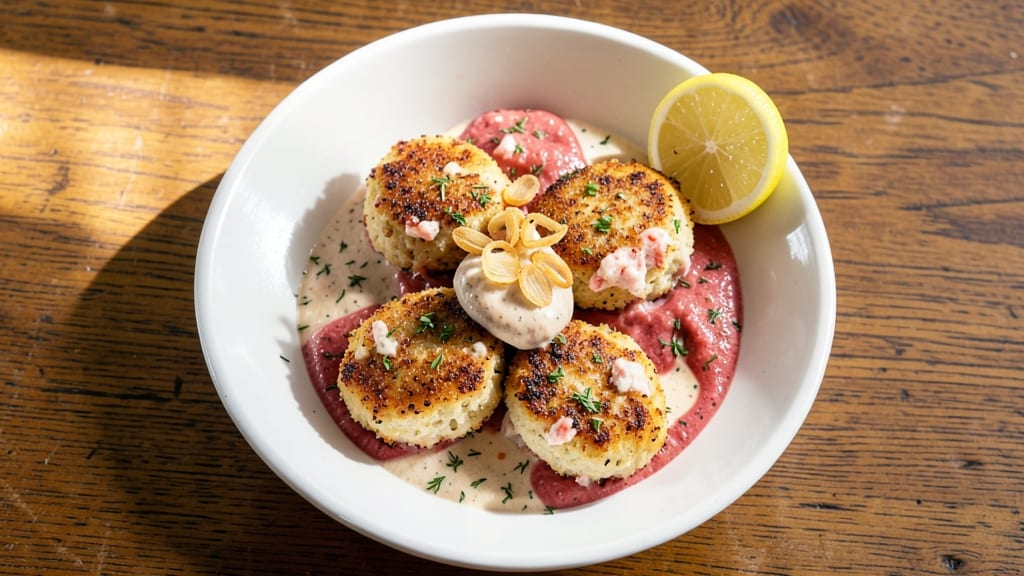
Sally's crab cakes recipe delivers that perfect balance of golden crunch and buttery tenderness that makes every bite worth the effort. After years of perfecting this dish, I’ve learned the secrets to achieving restaurant-quality texture at home—starting with the right crab meat and a precise binding technique.
The key lies in using a mix of fresh lump crab and breadcrumbs, then gently forming the cakes without overhandling, which keeps them light and fluffy inside.
What sets these crab cakes apart is the crispy exterior that forms when baked to a deep golden brown at 375°F, while the inside remains moist and flavorful. A touch of Dijon mustard in the batter adds depth, and a final press with a hot pan ensures that signature crunch.
This recipe is designed for home cooks who want professional results without the fuss—just a few simple ingredients and a little patience.
The result is a crab cake that’s tender yet sturdy, with a crispy crust that shatters slightly when you bite in. Serve them with a dollop of tartar sauce, a squeeze of lemon, or a side of steamed asparagus to round out the meal.
Whether you're hosting a dinner party or treating yourself to a special weeknight dish, these crab cakes will impress every time.
For those using frozen crab meat, thaw it completely and pat it dry to avoid a soggy texture. If you prefer extra crispiness, broil the cakes for the last minute—just keep a close eye to avoid burning.
The secret to perfect crab cakes is in the details, and this recipe delivers on every promise.
Ingredients for sally's crab cake
Golden crunch meets buttery tenderness with these expertly crafted crab cakes.
| Ingredient | Amount | Notes |
|---|---|---|
| Fresh Lump Crab Meat 🦀 | 1 ½ lb | Picked over for lumps, no shell |
| All-Purpose Flour 🌾 | ½ cup | For binding texture |
| Panko Breadcrumbs 🍞 | ½ cup | Extra-crispy texture |
| Large Eggs 🥚 | 2 whole | Room temperature preferred |
| Mayonnaise 🧈 | ¼ cup | Full-fat for richness |
| Dijon Mustard 🍯 | 1 tbsp | For depth of flavor |
| Fresh Lemon Juice 🍋 | 1 tbsp | Brightens the batter |
| Chopped Fresh Parsley 🌿 | 2 tbsp | For garnish and freshness |
| Salt 🧂 | 1 tsp | Kosher or sea salt |
| Black Pepper 🌶️ | ½ tsp | Freshly ground preferred |
| Vegetable Oil 🫒 | ½ cup | For frying or baking |
| Old Bay Seasoning 🧂 | 1 tsp | Signature flavor boost |
The crab meat is everything here—fresh lump with no shells or veins gives the best texture. Costco or seafood markets often carry pre-picked lump, but if you're doing it yourself, use a fine-mesh sieve to remove any bits. The panko breadcrumbs are non-negotiable for that crispy exterior; regular breadcrumbs won’t cut it. For the best results, thaw frozen crab meat completely and pat it dry with a paper towel—this prevents a watery cake. The Old Bay seasoning is a must for that authentic seafood flavor, and Penzeys or King Island brands are top-tier choices.
No fresh crab meat? Frozen lump crab works perfectly—just thaw it overnight in the fridge. Skip the panko? Regular breadcrumbs plus an extra egg can substitute, but the texture won’t be as crispy. Want to stretch the recipe? Add finely diced celery or bell peppers for extra bulk and flavor. The Dijon mustard is key for depth—substitute whole-grain mustard at double the amount if you don’t have the right kind. And if mayo feels like overkill, use Greek yogurt instead—it’s lighter but still creamy.
These crab cakes are best made the day they’re served, but they reheat beautifully. Bake or pan-fry them ahead and keep them warm in a 200°F oven until ready to serve. For extra crispiness, broil for the last 1-2 minutes—just watch closely to avoid burning. Store leftovers in an airtight container in the fridge for up to 3 days. They also freeze well for up to 2 months—thaw in the fridge overnight before reheating. The Old Bay seasoning keeps its flavor through freezing, but the texture may soften slightly.
Why You'll Love This Recipe
- No-Fuss Assembly: Honestly, this is one of those recipes where you’re not chopping anything—just dump, mix, and shape. The crab meat is already picked over, and the only prep is folding in the mayo and lemon juice. I’ll be real: I’ve made these with my 8-year-old underfoot, and we still had time for a snack break.
- Old Bay Magic: That 1 teaspoon of Old Bay isn’t just seasoning—it’s the secret weapon. The lemon juice and Dijon mustard keep things bright, but the Old Bay ties it all together with that perfect salty-spicy kick. Trust me, you’ll miss it if you skip it.
- Warm-Oven Ready: Between the chilling step and the resting time, these crab cakes are basically foolproof for meal prep. Pan-fry them ahead, keep them warm at 200°F, and you’ve got a crowd-pleaser ready to go for game day or a last-minute dinner. No stress, just deliciousness.
- Leftover Love: Three days in the fridge? No problem. The texture stays solid, and reheating them gently in the oven keeps them crispy on the outside. My family even asks for seconds—because who can resist that crispy panko shell hiding a tender crab center?
Step-by-step instructions for sally's crab cakes
Here's the method that delivers perfect texture every time—juicy centers with a crisp exterior.
Prepare the Crab Mixture
In a large mixing bowl, gently combine the 1½ lb fresh lump crab meat with the ¼ cup mayonnaise, 1 tbsp Dijon mustard, and 1 tbsp fresh lemon juice. The mayonnaise acts as a binder while keeping the crab moist, and the lemon juice brightens the natural sweetness of the crab. Use your hands to fold everything together lightly—overmixing will break down the delicate crab texture.
Next, add the ½ cup all-purpose flour, 1 tsp salt, ½ tsp black pepper, and 1 tsp Old Bay seasoning. The Old Bay seasoning is what gives these crab cakes their signature flavor, so don't skip this step. Mix just until the flour is evenly distributed and the mixture holds together when pressed gently. You want the batter to be cohesive but still slightly loose—it should resemble wet sand rather than stiff dough.
Chill the Batter for Better Texture
Cover the bowl with plastic wrap and refrigerate the mixture for at least 30 minutes (up to 2 hours works best). This chilling step is crucial—it allows the flour to fully hydrate and the flavors to meld together. It also prevents the crab cakes from falling apart when you form them, ensuring they hold their shape during cooking. If you're short on time, you can proceed, but the texture won't be as perfect.
While the batter chills, gather the remaining ingredients: ½ cup panko breadcrumbs and 2 tbsp chopped fresh parsley. The panko will add a delightful crunch to the exterior, while the parsley will provide a fresh, vibrant garnish. Keep these separate until you're ready to use them in the next step.
Form and Coat the Crab Cakes
Using a cookie scoop or your hands, portion the chilled crab mixture into 4 equal-sized cakes, each about ¾ inch thick. Place them on a plate lined with parchment paper. If the mixture feels too sticky, wet your hands slightly to prevent sticking. The cakes should hold their shape without crumbling—if they don't, return them to the fridge for another 10 minutes to firm up.
Next, set up a breading station: place the ½ cup panko breadcrumbs on a shallow plate and the 2 large eggs, lightly beaten, in another. Dip each crab cake into the beaten eggs, allowing any excess to drip off, then press it firmly into the panko breadcrumbs, coating all sides evenly. The panko will create that coveted golden crunch, while the egg helps the breading adhere. Press gently but thoroughly to ensure full coverage.
Cook to Golden Perfection
Heat ½ cup vegetable oil in a large skillet over medium heat until it reaches 350°F. You can test the oil's readiness by dropping a small piece of bread into it—if it sizzles and turns golden within 30 seconds, the oil is ready. Overheating the oil will cause the crab cakes to cook too quickly on the outside and remain raw inside.
Carefully place the breaded crab cakes into the hot oil, being mindful not to overcrowd the pan. Cook for 3-4 minutes per side until they are golden brown and crispy. The crab cakes are done when the panko is deeply golden and the internal temperature reaches 145°F. Avoid pressing down on them with a spatula, as this can cause them to fall apart. Instead, gently flip them using a fish spatula.
Rest and Serve
Transfer the cooked crab cakes to a wire rack set over a paper towel-lined plate. Let them rest for 5 minutes to allow any excess oil to drain away and the centers to set slightly. This resting period also helps the crab cakes maintain their shape when you serve them. During this time, keep the skillet warm over low heat in case you need to reheat any crab cakes.
Garnish each crab cake with 2 tbsp chopped fresh parsley just before serving. The parsley not only adds a pop of color but also a fresh, bright contrast to the rich, savory crab. Serve immediately with your favorite dipping sauce, such as tartar or remoulade, and enjoy the perfect balance of tender crab, crispy panko, and buttery richness.
Pro Tips For Making Sally'S Crab Cake
- Test Oil Like a Pro: I used to eyeball oil heat and end up with greasy, soggy crab cakes—until I learned the bread test. Drop a tiny piece of panko in the oil; if it sizzles and turns golden in 30 seconds, you’re at 350°F. Too fast? Let it cool. Too slow? Give it more time. That’s the sweet spot for crispy, not fried, results.
- Prep Crab Like It’s 1953: Your hands are the secret weapon here. Pick through the crab meat before mixing—no shells, no cartilage, no excuses. And for heaven’s sake, use room-temperature eggs. Cold ones won’t coat the crab cakes evenly, and you’ll end up with a lumpy mess. Trust me, this isn’t the part to rush.
- Press Panko Like You Mean It: The breading isn’t just for looks—it’s the armor against crumbling. When you press the chilled crab cakes into the panko, go firm but even. I learned this after watching my first batch fall apart like a house of cards. A little extra pressure now means no sad, eggy puddles later.
- Skip the Crowd, Save the Crisp: Overcrowding the pan is the fastest way to turn golden perfection into a greasy, uneven disaster. Cook one crab cake at a time if you have to—waiting 30 seconds between batches keeps the oil hot and the panko crisp. Yes, it takes longer, but your guests will never know the difference (and neither will your taste buds).
Best sauces and condiments for this sally's crab cake
Classic Tartar Sauce
Tartar sauce is a must-have pairing for these crab cakes, balancing their richness with a tangy, creamy bite. I blend ½ cup mayonnaise with 1 tbsp Dijon mustard, 1 tbsp chopped fresh dill, 1 tbsp finely diced red onion, and a squeeze of lemon juice.
The mustard adds depth while the dill brightens the sauce—just enough to cut through the buttery crab. 🍋
Spicy Remoulade Twist
For heat lovers, I upgrade tartar sauce with 1 tbsp sriracha and ½ tsp cayenne pepper mixed into the mayo base. A dash of hot sauce like Tabasco adds a subtle kick, while 1 tsp chopped jalapeño provides fresh heat.
This version keeps the creamy texture but delivers a spicy punch that pairs perfectly with the crispy panko.
Lemon Aioli Boost
Swap mayo for ½ cup aioli (blended mayo and garlic) and add 1 tbsp lemon zest plus 2 tbsp fresh lemon juice. The garlic gives a savory depth, while the lemon zest brightens the sauce.
I garnish with extra parsley for freshness—this version is lighter but still rich enough to complement the crab cakes beautifully.
Avocado Lime Crema
Blend ½ ripe avocado with ¼ cup sour cream, 1 tbsp lime juice, 1 tbsp chopped cilantro, and a pinch of salt. The avocado adds creaminess without overpowering, while the lime juice keeps it fresh.
This sauce is especially great for summer dinners—it’s cool, vibrant, and pairs wonderfully with the warm, crispy crab cakes.
Classic Melted Butter
Sometimes simplicity wins. Just melt 2 tbsp unsalted butter with a pinch of salt and a squeeze of lemon. Drizzle it over the crab cakes right before serving—the butter enhances the natural sweetness of the crab while the lemon cuts through the richness.
It’s quick, elegant, and always a crowd-pleaser. ✨
Nutrition facts
Frequently asked questions
Why does the recipe call for chilling the crab cake batter?
Chilling the batter for at least 30 minutes (up to 2 hours) is essential! This step lets the flour fully absorb moisture and allows flavors to meld together. It also prevents the cakes from falling apart when you form and cook them, ensuring a perfect golden crunch on the outside and tender texture inside. Skip it, and you might end up with a messy, crumbly mess.
Can I make these crab cakes ahead of time?
You can bake or pan-fry them in advance and keep them warm in a 200°F oven until ready to serve. They also store beautifully in an airtight container in the fridge for up to 3 days. Just reheat gently on the stovetop or in the oven to restore that crispy exterior. Pro tip: Add a splash of water to the pan when reheating to prevent sticking.
What’s the best way to avoid a soggy crab cake?
A soggy texture often comes from overmixing or not drying the crab meat properly. Always pat the 1½ lb fresh lump crab meat completely dry with a paper towel, and fold the batter gently—just until combined. Also, avoid pressing down on the cakes while cooking, as this releases moisture. Let them rest for 5 minutes after cooking to help them set.
Can I substitute panko breadcrumbs with regular breadcrumbs?
While regular breadcrumbs will work, they won’t give you that coveted extra-crispy texture. Panko’s larger, flakier pieces create a more satisfying crunch. If you’re in a pinch, use regular breadcrumbs but add an extra egg wash to help the coating adhere better. The flavor will still be delicious, but the texture won’t be quite as crisp.